
Pruning
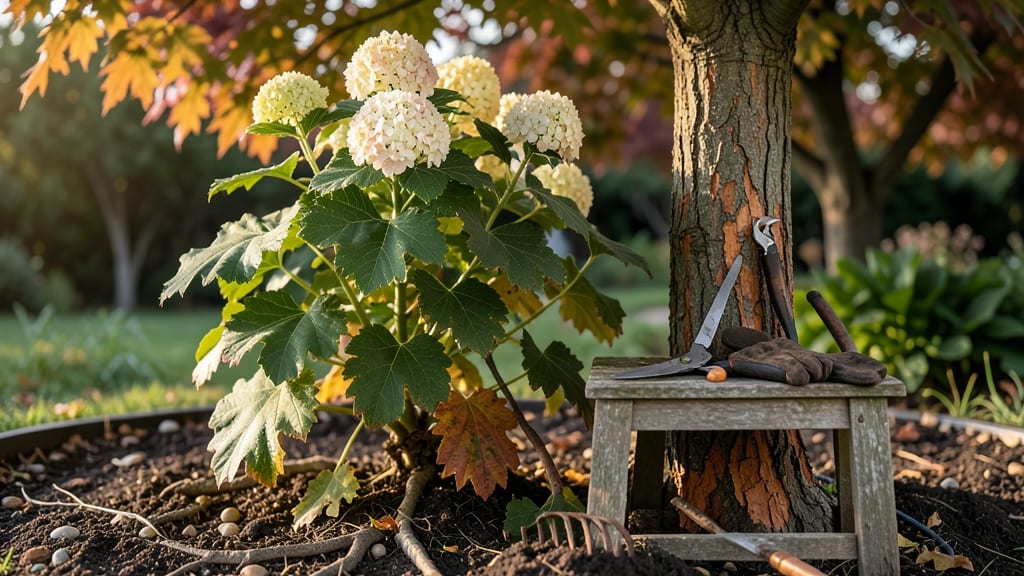
Pruning oak-leaved hydrangeas transforms them from scraggly shrubs into stunning, sunlit canopies—and the best part is, you can shape them year-round. ✂️ I learned this after my first attempt left bare stems and sparse blooms, but now my bushes look like living sculptures.
The key isn’t just cutting back—it’s understanding when and how to guide their natural shape while encouraging those iconic oak-like leaves and summer blooms.
You’ll need just three essential tools: sharp bypass pruners (for clean cuts), thick gardening gloves (those thorns don’t play nice), and a small bucket for trimmings.
Timing matters too: late winter is ideal for major shaping, but you can lightly trim any time to control size or remove dead wood. Think of it like sculpting—every cut should serve a purpose, whether it’s opening up the center for sunlight or redirecting growth where you want it.
Start by removing dead or crossing branches first—they’re the eyesore and energy drain of your plant. Then, step back and look for where the bush feels too dense. Cut just above a leaf node at a 45-degree angle to encourage new growth.
For experienced gardeners, this is where you can get creative: layer branches to create depth or prune aggressively in early spring for a bold, modern look. The result? A bush that’s healthier, fuller, and bursting with those signature white summer blooms.
After pruning, give your hydrangea a deep drink of water and a light layer of mulch to keep roots cool. Watch for new shoots emerging within 2-4 weeks—that’s your reward for a job well done.
And here’s the secret: prune little and often rather than one big clean-up. It keeps the stress low and the blooms coming year after year. Ready to give your hydrangea the shape it deserves?
📚 In This Guide
- What you need
- Instructions
- Tips and common mistakes
- Wrapping up and next steps
What you need
- ● Pruning shears: Bypass pruners (sharp, clean, and sterilized with rubbing alcohol) for small stems.
- ● Loppers: 1 pair (8–12" blades) for thicker branches (½-inch diameter or less).
- ● Hand pruners: Anvil-style (for stubborn cuts) or bypass (for cleaner snips).
- ● Gloves: Heavy-duty gardening gloves (cut-resistant, waterproof for protection).
- ● Disinfectant: 70% isopropyl alcohol or a 10% bleach solution (1 part bleach to 9 parts water) to sterilize tools between cuts.
- ● Rag or paper towels: For wiping tools and hands post-pruning.
- ○ Pruning sealant: Optional but helpful (e.g., Tanglefoot Tree Wound Pruning Seal) for large cuts to prevent disease.
- ● Extension pole: For high branches (10–15 ft, with a ratcheting mechanism for safety).
- ● Ladder: Sturdy, non-slip (4–6 ft) for hard-to-reach areas.
- ● Marking twine or flags: To tag branches for removal (e.g., brightly colored ribbons).
- ● Sharpie or paint: For marking cuts on stubborn branches (e.g., white paint to indicate pruning lines).
- ● Compost bin or bag: For collecting clippings (hydrangea leaves decompose quickly!).
- ● Safety glasses: If working near eyes or in dusty conditions.
Step-by-step guide for pruning oak-leaved hydrangea
Here’s the method I’ve used to keep my oak-leaved hydrangeas thriving for over a decade—bold, sunlit, and full of those stunning fall colors.
✂️ Step 1: Prune in Late Winter for Structure
Wait until late winter (just before new growth begins) to prune. Oak-leaved hydrangeas bloom on old wood, so cutting back too early removes next year’s flowers. Grab your sharp pruning shears and remove dead, crossing, or weak branches first—they’re the easiest to spot against the dormant plant.
Next, shape the plant by cutting back one-third of the oldest stems to the ground. This encourages fresh, vigorous growth from the base. Look for stems that are thinner than a pencil—these are the ones to keep for next year’s blooms. If you’re unsure, leave it—hydrangeas are forgiving.
🌿 Step 2: Light Pruning in Early Summer
After the plant finishes blooming in late summer, do a quick check for any overly crowded or leggy growth. Use your shears to trim back new growth that’s stretching too much—this keeps the plant compact and encourages bushier growth. Cut just above a leaf node (the bump where leaves attach) to promote branching.
Here’s the thing—oak-leaved hydrangeas don’t need heavy pruning like some varieties, but this light trim keeps them sunlit and airy. If you notice leaves turning yellow or wilting, that’s your cue to reduce watering slightly—they prefer well-draining soil and hate soggy roots.
✂️ Step 3: Clean Up in Fall for Winter Prep
Once the leaves brown and crisp in fall (usually October or November), it’s time for a final tidy-up. Remove all dead leaves and stems—this prevents pests and disease from hiding over winter. Use clean, sterilized shears to avoid spreading anything to healthy parts of the plant.
If you’re in a colder climate, give the base of the plant a 2-inch layer of mulch to protect roots from freezing. I like to use shredded bark mulch because it breaks down slowly and improves soil as it does. Avoid piling mulch right against the stem—leave a 1-inch gap to prevent rot.
☀️ Step 4: Minimal Pruning in Spring (If Needed)
Spring is mostly about observation. If you missed a branch in winter or notice damaged growth from frost, trim it back just above a healthy bud. But resist the urge to prune heavily—this is when the plant pushes out new shoots for summer blooms.
Watch for new leaves unfolding—that’s your signal the plant is waking up. If you see pale or sparse foliage, it might need more sunlight (they thrive in full sun to partial shade). A quick move to a sunnier spot now can make all the difference for summer color.
Tips & tricks for pruning oak-leaved hydrangeas
These little adjustments will help your oak-leaved hydrangeas stay lush and vibrant year after year.
Timing is Everything: That late winter pruning window is your golden opportunity—prune too early and you risk cutting off next year’s blooms since oak-leaved hydrangeas bloom on old wood. I’ve learned this the hard way after accidentally pruning too soon and getting sparse blooms. Watch for the first signs of new growth (tiny buds forming) to know you’ve waited just long enough.
The One-Third Rule: When shaping in late winter, focus on removing one-third of the oldest stems completely. These are the thickest, woody stems that have already produced flowers. Cutting them back to the ground encourages fresh, vigorous growth from the base while preserving the thinner stems (thinner than a pencil) that will produce next year’s blooms. Think of it like giving your plant a fresh start without overdoing it.
Clean Cuts Matter: Always use sharp, sterilized pruning shears to make clean cuts at a 45-degree angle just above a leaf node or bud. Dull shears crush stems, making them more susceptible to disease. I keep a small bottle of rubbing alcohol handy to wipe down my shears between cuts—it’s a simple habit that prevents spreading any potential infections from one branch to another.
Fall Cleanup Secret: That final fall cleanup isn’t just about aesthetics—it’s about winter prep. Remove all dead leaves and stems to prevent pests and diseases from overwintering in your plant. For extra protection in colder climates, add a 2-inch layer of shredded bark mulch around the base, but leave that 1-inch gap around the stem to prevent rot. This mulch layer also improves soil quality over time as it breaks down.
Pro Tips for Pruning Oak Leaved Hydrangea
- These little adjustments will help your oak-leaved hydrangeas stay lush and vibrant year after year.
- Timing is Everything: That late winter pruning window is your golden opportunity—prune too early and you risk cutting off next year’s blooms since oak-leaved hydrangeas bloom on old wood.
- The One-Third Rule: When shaping in late winter, focus on removing one-third of the oldest stems completely.
Frequently asked questions
about pruning oak-leaved hydrangea—because even pros need a quick refresher! Here’s what gardeners ask most often, with straightforward answers to keep your plant thriving.When is the best time to prune oak-leaved hydrangea?
Oak-leaved hydrangeas are late-season bloomers, so the ideal time to prune is late winter or early spring (February–March), before new growth begins. Avoid pruning in fall—this removes next year’s flower buds! For shaping, light trims can happen anytime, but avoid heavy cuts after summer.
How much can I trim back without harming the plant?
You can safely remove up to 1/3 of the plant’s height in a single pruning session. For oak-leaved hydrangeas, focus on dead, weak, or crossing branches first. Avoid over-pruning—these plants are hardy but benefit from gradual shaping. If you’re unsure, err on the side of caution and trim less.
What if I prune at the wrong time and lose my flowers?
Don’t panic! Oak-leaved hydrangeas are forgiving. While late pruning (after summer) may reduce blooms for that season, the plant will recover. Focus on removing dead wood and shaping in the off-season. Next year’s flowers will bounce back stronger—just give it time and proper care.
Can I prune oak-leaved hydrangea for smaller growth?
Yes! To control size, prune just the tips of branches in late spring or early summer. This encourages bushier growth. For dramatic size reduction, prune back 1/3 of the oldest stems in late winter. Avoid heavy cuts in summer—this can stress the plant and delay blooming.
What’s the difference between pruning oak-leaved and bigleaf hydrangeas?
Bigleaf hydrangeas bloom on old wood, so pruning too early removes flower buds. Oak-leaved hydrangeas bloom on new wood, making them more flexible for year-round pruning. Bigleaf needs minimal trimming (just deadheads), while oak-leaved thrives with regular shaping—even in winter!
Wrapping up and next steps
Pruning your oak-leaved hydrangea doesn’t have to be intimidating—it’s all about timing, technique, and a little patience. 🌿 Whether you’re shaping for winter resilience, encouraging lush blooms, or maintaining that bold, sunlit canopy, the key is to work with the plant’s natural rhythm.
Now that you’re armed with the right tools, seasonal tips, and answers to common questions, it’s time to roll up your sleeves and give your hydrangea the care it deserves!
Ready to transform your garden? Start with a single branch this weekend—you’ll be amazed at the difference a little pruning makes! For even more confidence, bookmark this guide or snap a photo of your hydrangea before you begin. Happy pruning!