
Pruning
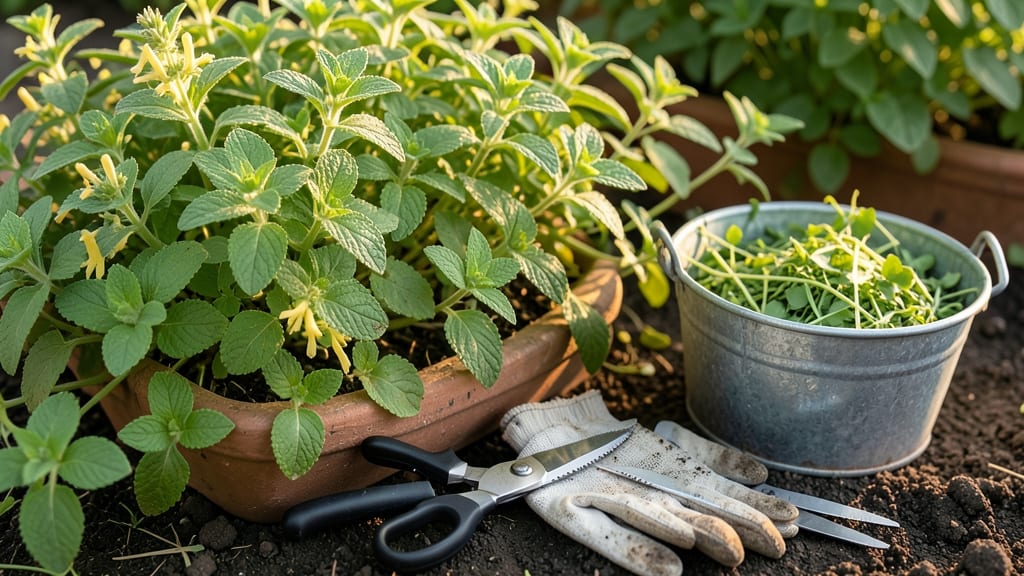
Pruning lemon balm in late winter or early spring isn't just about tidying up—it’s the secret to bushier, more productive plants that don’t take over your garden. 🌿 I’ve learned the hard way that skipping this step leads to leggy, sparse growth (and a yard full of lemon balm where you didn’t want it).
The right cuts at the right time transform this hardy herb into a lush, fragrant powerhouse.
You only need sharp pruners or shears and about 20 minutes—no fancy tools required. The goal is to cut back one-third of the plant’s height, focusing on leggy stems and crossing branches.
This encourages new growth from the base while keeping the plant compact. Think of it as giving your lemon balm a fresh start before the growing season kicks in.
What you’ll end up with is a thicker, more vigorous plant that produces more leaves for tea, cooking, or pest control. Regular pruning also prevents it from spreading aggressively, which is a common issue with lemon balm.
Plus, the fresh cuts smell incredible—like a burst of citrus and mint—making the whole process oddly satisfying.
Works for both container-grown and in-ground lemon balm, and the same principles apply whether you’re pruning for harvest or just keeping it in check. Here’s how to do it without mistakes—so you get the best results every season.
📚 In This Guide
- What you need
- Instructions
- Tips and common mistakes
- Wrapping up and next steps
What you need
- ● Pruning shears or bypass pruners – Choose sharp, high-quality shears (e.g., Felco or Fiskars) with bypass blades (not anvil-style) to make clean cuts without crushing stems. Quantity: 1 pair.
- ○ Gloves (optional but recommended) – Wear gardening gloves (nitrile or leather) to protect your hands from thorns or rough stems. Quantity: 1 pair.
- ● Disinfectant (70% isopropyl alcohol or rubbing alcohol) – Clean your pruners before and after use to prevent the spread of disease. Quantity: Small bottle.
- ● Garden twine or plant ties – Useful for securing large stems if you’re pruning heavily and want to shape the plant. Quantity: Small roll.
- ● Garden waste bag or bucket – Collect pruned stems for composting or disposal. Quantity: 1-2.
- ○ Water spray bottle (optional) – Helps rinse off sap or debris from tools mid-pruning. Quantity: 1.
- ● Hand pruners (for smaller stems) – Great for precision trimming in tight spaces. Quantity: 1 pair.
- ● Loppers (for thicker stems) – If your lemon balm has woody growth, loppers (with a 4-6 inch cutting range) make the job easier. Quantity: 1 pair.
- ● Garden kneeler or stool – For comfort, especially if your lemon balm is large or in a hard-to-reach spot.
- ● Plant food or compost – After pruning, feed your lemon balm with balanced fertilizer (10-10-10) or compost to encourage regrowth.
- ● Notebook & pen – Jot down notes on pruning techniques or growth patterns for future reference!
Step-by-step guide to pruning lemon balm for healthier growth
Here's how to transform your lemon balm from leggy to lush—no fancy tools required.
✂️ Step 1: Time Your Pruning for Maximum Impact
Prune lemon balm in late winter or early spring, just as new growth begins but before buds swell. This timing ensures you're cutting back old growth while stimulating fresh, bushy regrowth. If you missed the dormant season, you can still prune in early fall—just avoid cutting back after mid-summer, or you'll delay next year's harvest.
Look for woody stems at the base—these are your signal to prune. Healthy lemon balm should have soft, green stems with no brown or brittle sections. If your plant looks tired, this is the perfect time to rejuvenate it.
✂️ Step 2: Cut Back to Encourage Bushier Growth
Use clean, sharp pruners (or even sharp scissors) to cut back one-third of the plant's height, focusing on the oldest, leggiest stems first. Aim to prune just above a leaf node—this is where new growth will emerge. You'll see small bumps or buds along the stems; these are your growth points.
Don’t worry if it looks drastic—lemon balm is tough and bounces back fast. After pruning, the plant will redirect energy to the remaining stems, resulting in thicker, more compact growth. If your plant is particularly overgrown, you can even cut it back by half—it’ll recover beautifully.
🌿 Step 3: Shape and Thin for Airflow and Light
Next, remove any dead, diseased, or crossing branches to improve airflow and sunlight penetration. Lemon balm grows aggressively, so thinning prevents fungal issues and ensures all parts of the plant get light. Focus on the center of the plant, where branches often tangle and block sunlight.
If your lemon balm is growing in a clump, gently separate any congested sections with your hands or pruners. This keeps the plant from becoming too dense, which can lead to weak stems or pests. After shaping, step back and admire your work—you’re giving your plant room to thrive.
💧 Step 4: Post-Pruning Care for a Strong Recovery
Water your lemon balm deeply after pruning to help it recover. The roots will need moisture to support new growth, especially if you’ve cut back significantly. Mulch around the base with 2-3 inches of organic mulch (like shredded leaves or straw) to retain moisture and protect roots from temperature swings.
In the weeks following pruning, you’ll notice new shoots emerging from the base. These are your plant’s way of telling you it’s happy and ready to grow. Avoid fertilizing right after pruning—wait until you see active new growth before adding any nutrients.
☀️ Step 5: Monitor and Maintain Through the Growing Season
Throughout the growing season, keep an eye out for overly long or leggy stems. Pinch back these stems by half to encourage bushier growth. Lemon balm responds well to regular light pruning, so don’t be afraid to trim occasionally—it’ll only make your plant fuller and more productive.
Harvest leaves as needed, but avoid cutting more than one-third of the plant at a time. This ensures your lemon balm stays healthy and continues to grow strong. With proper pruning, your plant will reward you with vibrant, fragrant foliage all season long.
Tips & tricks for perfect lemon balm pruning
Here's what nobody tells you about giving your lemon balm the pruning it truly deserves.
Timing is Everything: That late winter or early spring window is your golden opportunity to reset your lemon balm's growth cycle. I learned this the hard way after pruning too late in summer—my plant barely recovered before winter set in. If you're unsure about the exact timing, check for those woody stems at the base; they're your plant's way of saying "it's time!"
The One-Third Rule: Cutting back one-third of the plant's height might seem drastic, but trust me, your lemon balm will thank you. Focus on those oldest, leggiest stems first—they're the ones stealing energy from your plant's center. After pruning, you'll notice new shoots emerging within weeks, proving how resilient this plant really is. If your plant is particularly overgrown, don't hesitate to cut back by half—it's tougher than it looks!
Pruning Technique: When you're cutting just above a leaf node, you're essentially telling the plant "grow here!" Those small bumps or buds along the stems are your growth points. Use clean, sharp pruners to make precise cuts—dull tools can crush stems and invite disease. For a quick fix, sharp scissors work just as well, but always sterilize your tools between cuts to prevent spreading any potential pathogens.
Post-Pruning Care: After the big cut, your lemon balm needs some TLC. Water deeply to help it recover, especially if you've cut back significantly. I like to mulch with 2-3 inches of organic material—it's like putting a cozy blanket around your plant's roots. And here's a pro tip: resist the urge to fertilize right away. Wait until you see active new growth before adding any nutrients—your plant will appreciate the patience!
Pro Tips for Pruning Lemon Balm
- Here's what nobody tells you about giving your lemon balm the pruning it truly deserves.
- Timing is Everything: That late winter or early spring window is your golden opportunity to reset your lemon balm's growth cycle.
- The One-Third Rule: Cutting back one-third of the plant's height might seem drastic, but trust me, your lemon balm will thank you.
Frequently asked questions
Got questions about pruning lemon balm?
You’re not alone! Here are answers to the most common concerns to help you prune like a pro—even during dormant season.
When is the best time to prune lemon balm for bushier growth?
Prune lemon balm in early spring (before new growth starts) or late winter to encourage dense, bushy foliage. Avoid pruning in fall—it can stimulate tender new growth that won’t survive frost. For container plants, you can also prune lightly after flowering to maintain shape.
How much should I cut back lemon balm during dormant-season pruning?
Cut back one-third to one-half of the plant’s height to promote new, vigorous growth. Avoid over-pruning—leaving some foliage helps the plant recover faster. If your lemon balm is leggy, trim selectively to shape it while keeping a balanced form.
Can I prune lemon balm too much? What are the signs?
Yes! Over-pruning can stress the plant, leading to stunted growth, yellowing leaves, or even dieback. If you notice bare stems or slow recovery after pruning, you’ve likely gone too far. Lemon balm is hardy but benefits from moderation—think of it as a gentle haircut, not a buzz cut!
What if I skip dormant-season pruning? Will my lemon balm still grow?
Your lemon balm will still grow, but it may become woody at the base, less bushy, or overcrowded. Regular pruning improves airflow, reduces pests, and keeps the plant productive and healthy. Think of it like a spa day—your plant will thank you with lush, fragrant foliage!
Are there alternatives to pruning if I don’t want to cut back my lemon balm?
If you prefer minimal pruning, focus on pinching back new growth tips in spring to encourage branching. You can also divide mature clumps every 2–3 years to rejuvenate the plant. Just avoid heavy pruning—lemon balm thrives with light maintenance rather than aggressive trimming.
Wrapping up and next steps
Pruning lemon balm during the dormant season is your secret weapon for a lush, vibrant plant that thrives year after year! By following this simple blueprint—removing dead growth, shaping strategically, and encouraging new shoots—you’ll reward yourself with bushier, healthier foliage and a bountiful harvest. 🌿✨
Now that you’re armed with the know-how, roll up your sleeves and give your lemon balm the TLC it deserves. Grab your pruners, step outside, and enjoy the satisfaction of nurturing a thriving herb garden. Happy pruning! 🌱💚