
Pruning
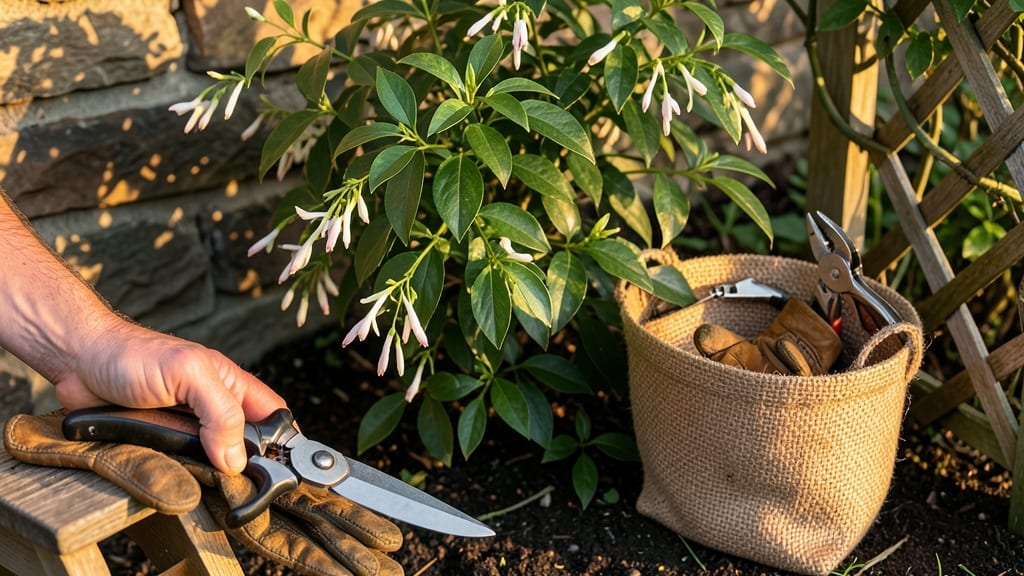
Pruning your jasmine bush after flowering transforms it from a tangled mess into a fragrant, bushy powerhouse that blooms all season long. 🌿 I’ve turned my once-neglected jasmine into the most aromatic corner of my garden—just by following three simple timing rules and a few strategic cuts.
The key? Pruning after blooms fade, never during active growth, and always with sharp tools to avoid tearing the delicate stems.
You’ll need clean pruning shears, a pair of gloves (jasmine thorns are no joke), and a clear morning to work—bright light helps you spot hidden buds. The goal is to shape while encouraging new growth where you want it.
Start by removing dead or crossing branches first; these compete with your plant for energy. Then, cut back about one-third of the oldest stems to the nearest outward-facing bud to promote bushier growth.
After just one season of proper pruning, my jasmine went from sparse blooms to nonstop fragrant clusters that fill the air at dusk. The secret? Light shaping in late winter (before buds swell) and a heavier trim right after flowering.
Avoid cutting into old wood—jasmine blooms only on new growth, so prune with patience. You’ll know you’re doing it right when you see fresh green shoots within 2-3 weeks.
This method works for both climbing and shrub varieties, whether you’re pruning a trellis or a standalone bush. The same rules apply: wait for blooms to fade, cut at 45-degree angles, and never remove more than one-third of the plant at once.
With consistent care, your jasmine will reward you with years of effortless fragrance—and fewer thorns to deal with.
📚 In This Guide
- What you need
- Instructions
- Tips and common mistakes
- Wrapping up and next steps
What you need
- ○ Pruning shears: Bypass pruners (sharp, clean, and 5-inch blades for precision cuts). Optional: Loppers (for thicker branches, 8-10 inches) if your bush is mature.
- ● Hand pruners: Small, ergonomic (for delicate trimming and tight spots). Must be sterilized with rubbing alcohol or a 10% bleach solution to prevent disease.
- ● Gloves: Garden gloves (thick, cut-resistant, like mechanics’ gloves or nitrile-coated for grip and protection from thorns).
- ● Disposable pruning bags: 1-2 heavy-duty bags (10-20 gallon capacity) to collect trimmings and dispose of them easily.
- ● Rake or broom: Stiff-bristle (for clearing debris after pruning).
- ● Pruning saw: For thick, woody stems (if your jasmine has stubborn branches over ½-inch thick).
- ● Hose or water sprayer: To clean tools before and after pruning.
- ○ Pruning sealant: Optional for large cuts (like tree wound pruning paste) to prevent disease entry.
- ● Notebook & pen: To mark pruning notes (e.g., "trim left side in spring").
- ● Safety glasses: If your bush is dense (to protect from flying debris).
- ● Know your jasmine type: Is it star jasmine (Trachelospermum), Confederate jasmine (Trachelospermum jasminoides), or another variety? Pruning needs vary slightly!
- ● Check the weather: Prune on a dry, calm day (avoid rain for 24 hours before/after to prevent fungal issues).
- ● Gather inspiration: Sketch or take photos of your bush’s shape before cutting—this helps visualize your goal!
Instructions for pruning jasmine bush: year-round trimming for nonstop fragrant blooms
Here's my go-to approach for keeping jasmine lush, blooming, and healthy through all four seasons.
✂️ Step 1: Understand the Right Time for Seasonal Pruning
Jasmine responds best to timed cuts. In early spring—right after last frost date—prune to remove dead, crossing, or weak growth. This is when the plant directs energy toward new blooms, not repairing damage. I always wait until new growth appears before cutting, usually in late March or April depending on your climate zone.
Summer pruning comes after flowering. Once you notice 75% of blooms have faded, trim back by about one-third to encourage another flush of flowers. Never cut into old wood—jasmine blooms only on new growth, so always leave at least 3-4 healthy leaves per stem. Fall is for light cleanup only: remove any dead or diseased branches before winter dormancy begins.
✂️ Step 2: Use Proper Tools and Technique for Clean Cuts
Sharp, clean tools prevent damage and disease. I use bypass pruners for stems under ½ inch thick and loppers for thicker branches. Always sterilize blades with rubbing alcohol between cuts to prevent spreading bacteria. Make cuts at a 45-degree angle, just above a leaf node or outward-facing bud to encourage growth in the right direction.
Never leave stubs—cut flush to the branch or leave a tiny ⅛-inch bump at most. This prevents water from pooling and rotting the wood. When shaping, step back occasionally to visualize the plant's natural form. Jasmine grows best with an open center, so avoid heavy pruning that creates dense growth.
✂️ Step 3: Shape for Airflow and Light Penetration
Jasmine thrives with good airflow and sunlight. Start by removing any branches growing inward or rubbing against others—these create wounds and block light. Thin out crowded areas by cutting back to the base when necessary. I aim for a balanced, vase-like shape that allows light to reach all parts of the bush.
Watch for leggy growth reaching toward the sun. These stems need pruning back by half their length to encourage bushier, more compact growth. You'll see new shoots emerge within 2-3 weeks from the pruned areas, signaling the plant is responding well. Avoid over-pruning—never remove more than one-third of the plant's total growth in a single session.
✂️ Step 4: Post-Pruning Care for Healthy Recovery
After pruning, water deeply to help the plant recover. I give jasmine 1 inch of water per week during its active growing season, increasing slightly if temperatures exceed 85°F. Apply a balanced, slow-release fertilizer (10-10-10 ratio) right after spring pruning to support new growth.
Monitor the plant closely for the first 2-3 weeks after pruning. New growth should appear within 3-4 weeks if conditions are right. If you see yellowing leaves or wilting, it could signal over-pruning or stress. In this case, reduce watering slightly and provide afternoon shade until the plant stabilizes.
⏰ Step 5: Year-Round Maintenance for Continuous Blooms
Jasmine's beauty comes from consistent care. Throughout the year, remove spent blooms immediately to encourage more flowers—a technique called deadheading. I also pinch back new growth tips in early summer to promote branching. In late fall, give the plant one final light pruning to remove any remaining dead growth before winter.
Watch for signs of stress like brown leaves or sparse blooms—these often indicate pruning was too aggressive. Adjust your approach next season by pruning less. With proper timing and technique, your jasmine will reward you with fragrant blooms from spring through fall, making all the effort worthwhile.
Tips & tricks for perfect year-round jasmine pruning
These insights will help you maintain a thriving, fragrant jasmine bush that blooms continuously—without the guesswork.
Seasonal Timing Secret: The late March/April spring pruning window is critical because it aligns with the plant's natural growth cycle after last frost. I've found that waiting until you see new growth emerging (usually 1-2 weeks after your last frost date) ensures you're cutting at the optimal time. This timing triggers the plant to redirect energy toward blooms rather than repairing winter damage. For summer pruning, don't wait until all blooms are gone—cut when 75% have faded to maintain that fresh, fragrant look.
Tool Technique That Changed Everything: Sterilizing your tools between cuts is non-negotiable. I keep a small bottle of rubbing alcohol handy and wipe blades after every 3-5 cuts, especially when working with multiple branches. The 45-degree angle cut just above a leaf node isn't just technical advice—it's what determines whether your plant grows bushier or leggy. I've seen jasmine plants go from sparse to lush in just one season by perfecting this technique. And remember: that tiny ⅛-inch bump you leave prevents water pooling that causes rot.
Visual Growth Cues: Those 2-3 weeks after pruning are the most telling. If you don't see new shoots emerging within this window, your cuts may have been too aggressive. I look for three signs of healthy recovery: fresh green leaves, visible new growth buds, and the plant's overall perkiness. If you're seeing yellowing leaves instead, it's your cue to back off next time—jasmine is resilient but not indestructible. The 3-4 week window for new growth is your benchmark for success.
Heat Management Strategy: When temperatures exceed 85°F, your jasmine's water needs increase dramatically. I've learned this the hard way—wilting leaves during heatwaves often mean the plant is thirsty, not stressed from pruning. The key is to monitor soil moisture daily during these periods. A simple finger test (stick your finger 1-2 inches into the soil) tells you more than any schedule ever could. This is particularly important after summer pruning when the plant is already directing energy toward recovery.
Pro Tips for Pruning Jasmine Bush
- These insights will help you maintain a thriving, fragrant jasmine bush that blooms continuously—without the guesswork.
- Seasonal Timing Secret: The late March/April spring pruning window is critical because it aligns with the plant's natural growth cycle after last frost.
- Tool Technique That Changed Everything: Sterilizing your tools between cuts is non-negotiable.
Frequently asked questions
Got questions about keeping your jasmine bush lush and fragrant? Here are answers to some of the most common concerns—so you can prune like a pro!
When is the best time to prune my jasmine bush?
Prune your jasmine bush twice a year: late winter/early spring (before new growth) for major shaping, and right after blooming to encourage more flowers. Avoid heavy pruning in fall—it can stimulate tender growth that won’t survive winter. For tropical jasmines, prune lightly after flowering year-round!
How much can I trim back my jasmine bush?
For most varieties, you can trim back up to 1/3 of the plant’s height in late winter. Cut just above a leaf node (the bump where leaves grow) to encourage bushier growth. If your jasmine is overgrown, prune gradually over 2-3 years to avoid shocking the plant. Never remove more than 1/3 in one season!
Why isn’t my jasmine blooming after pruning?
Jasmine needs sunlight and balanced pruning to flower. If it’s not blooming, check these fixes:
- Ensure it gets at least 6 hours of sun daily (jasmine thrives in full sun).
- Prune right after flowering to promote next year’s blooms.
- Avoid over-fertilizing with nitrogen—it encourages leafy growth over flowers.
- Deadhead spent blooms regularly to redirect energy to new flowers.
Can I prune jasmine in summer? If so, how?
Yes! Light pruning in summer is fine, but avoid heavy cuts during peak heat. Focus on:
- Removing dead or diseased branches immediately.
- Trimming overly leggy growth to maintain shape.
- Pinching back new growth tips to encourage bushiness.
What’s the difference between pruning star jasmine and regular jasmine?
Star jasmine (Trachelospermum) and traditional jasmine (Jasminum) have slightly different needs:
Star Jasmine
Regular Jasmine (e.g., Arabian, Italian)
Prune after flowering (spring/summer) to shape.
Prune late winter and post-bloom for best results.
Tolerates harder pruning (up to 1/2 the plant).
Stick to 1/3 max per season to avoid stress.
Drought-tolerant; prune lightly in summer if needed.
Needs consistent moisture—prune carefully in heat.
Wrapping up and next steps
Pruning your jasmine bush doesn’t have to be intimidating—with the right timing, tools, and techniques, you’ll enjoy a fragrant, lush garden year-round. 🌿 Whether you’re shaping it for aesthetics or boosting blooms, remember that consistency is key, and your efforts will pay off in scented rewards!
Ready to take the next step? Grab your pruners and schedule your first trim—your jasmine is waiting for its makeover! For extra guidance, revisit our FAQ section or explore seasonal pruning tips tailored to your climate. Happy gardening!