
Pruning
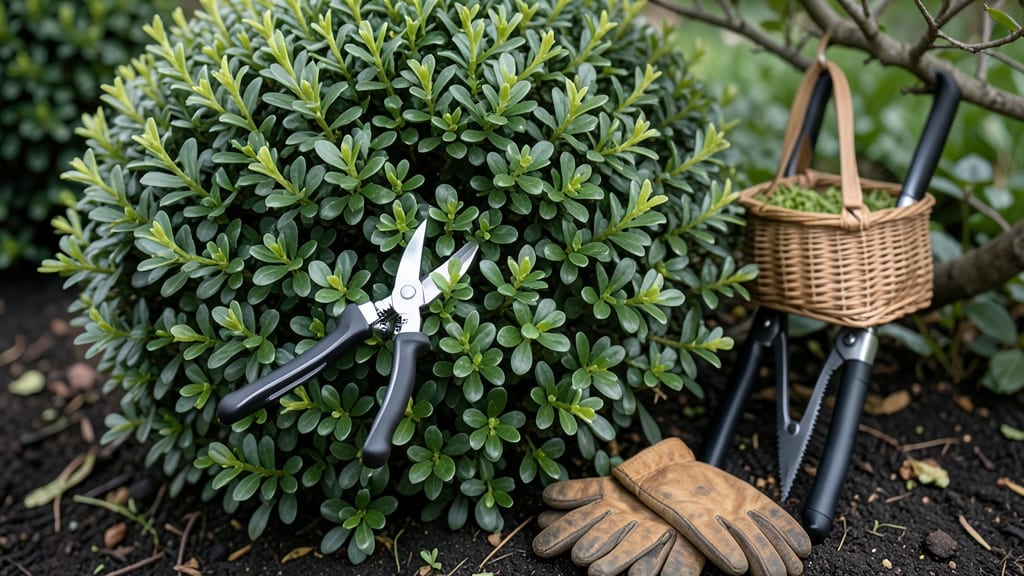
Pruning evergreen bushes transforms them from scraggly shadows into lush, vibrant year-round stars. ✂️ I’ve turned my own overgrown arborvitae into a dense, full hedge by mastering just three key cuts—no fancy tools or horticultural degree required.
The difference between a bush that looks like a sad cloud and one that’s the envy of the neighborhood comes down to timing, technique, and avoiding these three deadly mistakes.
You’ll need sharp bypass pruners (dull shears tear branches), gloves (evergreen needles are sharp), and a ladder if your bushes top 6 feet. The best time to prune depends on your goal: light shaping in late spring encourages new growth, while rejuvenation cuts in early spring target overgrown centers.
And yes, you can prune evergreens in winter—just avoid heavy cuts when they’re already stressed by cold.
Start by removing dead or crossing branches first—they’re the eyesores and disease risks hiding in plain sight. Next, thin out the interior to let light reach the center, and finally, shape the outer edges into smooth curves.
My boxwoods now look like they were sculpted by a pro, and my junipers have filled in so much I’ve forgotten they were ever sparse. The key? Less is more—evergreens bounce back slower than deciduous plants.
This method works for boxwood, holly, juniper, and arborvitae, though holly needs extra care to protect its berries. Skip the shears if your bush is already looking healthy—pruning stresses plants, and overdoing it invites pests.
With these steps, your evergreens will stay thriving for decades, not just another season. Ready to give them the makeover they deserve?
📚 In This Guide
- What you need
- Instructions
- Tips and common mistakes
- Wrapping up and next steps
What you need
- ● Pruning shears: Bypass pruners (for clean cuts) or anvil pruners (for thicker branches). Size: 6–8" blades for most evergreens.
- ● Loppers: For branches ½–2" in diameter. Look for ratcheting or bypass-style for precision.
- ○ Hand saw: Optional but handy for stubborn, thick branches (>2"). Choose a curved-tooth saw to avoid tearing.
- ● Gloves: Heavy-duty, cut-resistant gloves (e.g., mechanics’ or pruning gloves) to protect from thorns and sap.
- ● Disinfectant: 70% isopropyl alcohol or a 10% bleach solution to sterilize tools between cuts (prevents disease spread).
- ○ Pruning sealant: Optional but recommended for large cuts (>½") to prevent sap oozing and pests. Use a latex-based sealant (e.g., Tanglefoot Tree Wound Pruning Seal).
- ● Ladder or step stool: Height-specific—ensure it’s stable and rated for your weight (200+ lbs for most models).
- ● Trash bags or bucket: For clippings. A 5-gallon bucket with a lid keeps debris contained.
- ● Safety glasses: Protects eyes from flying debris.
- ● Long sleeves/pants: Lightweight, breathable fabric to shield from sap and scratches.
- ● Work boots: With slip-resistant soles for traction on uneven ground.
- ● Extension cord (if using an electric trimmer): Weatherproof, 14-gauge wire for outdoor use.
- ● Sharpener: A file or sharpening stone to keep blades in top condition.
How to prune evergreen bushes for year-round health
Evergreens reward careful pruning with lush, dense growth. Here’s my proven approach for year-long maintenance.
✂️ Step 1: Time Your Pruning for Optimal Growth
Prune evergreens during their active growing season—late winter to early spring, just before new growth begins. This timing ensures the plant can heal quickly and avoids stressing it during dormancy. For most evergreens, this means pruning between late February and early April, when temperatures are consistently above 40°F but before buds swell.
If you must prune in summer, do it only to remove dead or diseased branches. Summer pruning can stress the plant and leave it vulnerable to pests. Watch for fresh green needles emerging—this signals the perfect window to prune.
✂️ Step 2: Gather the Right Tools and Prepare the Plant
Use sharp, clean pruning shears for cuts under ¼ inch and loppers for thicker branches. Disinfect your tools with rubbing alcohol to prevent spreading disease between cuts. Evergreens bleed resin, so wear gloves to avoid sticky hands and skin irritation.
Examine the bush for dead, diseased, or crossing branches—these are your first targets. Remove any branches that rub against others, as friction weakens the plant over time. Step back occasionally to visualize the shape you’re creating; evergreens respond best to gradual, balanced pruning.
✂️ Step 3: Prune for Shape and Airflow
Start by thinning out the innermost branches to improve airflow and sunlight penetration. Aim to remove no more than 25% of the foliage in a single session—this prevents shock. For dense growth, focus on branches growing inward or downward, as these compete for resources.
Make cuts just above a leaf bud or outward-facing branch to encourage new growth in the right direction. Avoid leaving stubs; clean cuts heal faster. If you’re shaping a formal hedge, use a hand pruner with a guide to maintain even lines, but never remove more than 10% of the bush’s height at once.
✂️ Step 4: Clean Up and Monitor Recovery
After pruning, rake up all clippings and dispose of them in a sealed bag—evergreen debris can harbor pests. Water the bush deeply to help it recover, especially if you’ve pruned in dry conditions. Evergreens are drought-tolerant but still need moisture to regenerate.
Watch for new growth in 4-6 weeks. If the bush looks stressed—yellowing needles or wilting—reduce watering slightly and avoid pruning for at least a year. A well-pruned evergreen should fill out quickly, with a fuller canopy and fewer bare spots by next season.
✂️ Step 5: Adjust for Seasonal Needs
In summer, lightly trim any overgrown branches to maintain shape, but avoid heavy pruning. In fall, remove only dead or damaged growth—evergreens need all their foliage to photosynthesize during the cooler months. If you notice browning needles, it’s likely natural shedding, not a pruning issue.
Repeat this process annually, rotating sides to maintain even growth. Over time, your evergreen will develop a thicker, more vibrant canopy with fewer gaps. The key is patience—evergreens respond best to gradual, consistent care rather than aggressive trimming.
Tips & tricks for pruning evergreen bushes
Took me years of trial and error to learn these pruning secrets—your evergreens will thank you.
Seasonal Timing: The late February to early April window isn't just arbitrary—it's when evergreens enter their active growth phase. Look for fresh green needles emerging as your cue. If you miss this window, avoid summer pruning unless absolutely necessary, as the heat stress can weaken the plant. I've seen bushes recover beautifully when pruned at the right time, but summer cuts often lead to browning or stunted growth.
Tool Precision: That ¼-inch cut guideline matters more than you'd think. Using dull shears creates jagged edges that heal poorly and attract pests. I invest in high-quality bypass pruners—they make clean cuts that look like they were made with a surgeon's scalpel. For branches thicker than your wrist, switch to loppers immediately; struggling with shears will damage both the branch and your tools.
Strategic Thinning: When targeting those innermost branches in Step 3, aim for a "lacy" effect rather than aggressive thinning. I visualize removing every third branch in a spiral pattern—this creates airflow without sacrificing foliage. The 25% rule isn't just a suggestion; exceeding it risks shock. Think of it like giving your bush a spa day: you want to refresh, not overhaul.
Recovery Monitoring: Those 4-6 weeks of watching for new growth are critical. I keep a small notebook by my plants to track needle color and growth patterns. If you notice yellowing after pruning, it's often a sign of over-pruning or stress. Reduce watering slightly (evergreens are tough but not drought-proof) and let the plant focus on recovery rather than hydration.
Pro Tips for Pruning Evergreen Bushes
- Took me years of trial and error to learn these pruning secrets—your evergreens will thank you.
- Seasonal Timing: The late February to early April window isn't just arbitrary—it's when evergreens enter their active growth phase.
- Tool Precision: That ¼-inch cut guideline matters more than you'd think.
Frequently asked questions
Got questions about pruning evergreen bushes? You’re not alone! Here are some of the most common concerns—and straightforward answers—to help you tackle the task with confidence.
When is the best time to prune evergreen bushes?
For most evergreens, late winter or early spring (just before new growth starts) is ideal. This timing minimizes stress and encourages healthy regrowth. Exception: If your bush is overgrown or diseased, prune it in early fall instead. Avoid heavy pruning in late summer or fall, as it can leave plants vulnerable to winter damage.
Can I prune evergreen bushes in winter?
Light pruning (removing dead or damaged branches) is fine in winter, but avoid heavy cuts. Cold temperatures and dormancy can slow healing. If you must prune heavily, wait until late winter when the plant is still dormant but the threat of frost has passed. Pro tip: Prune on a dry, mild day to reduce stress.
What if I prune too much? Will my evergreen bush die?
Over-pruning can stress your bush, but it won’t kill it unless you remove more than 1/3 of the foliage in one go. If you’ve already cut too much, focus on recovery: water deeply, avoid fertilizing, and prune lightly in the following seasons. Most evergreens bounce back with patience—just give them time to regrow!
Are there alternatives to pruning for shaping evergreen bushes?
Yes! If pruning feels overwhelming, try these gentler methods:
- Thinning: Remove only the innermost branches to improve airflow without drastic reshaping.
- Pinching: Snip new growth tips in spring to encourage bushier growth.
- Shear lightly: Use a hedge trimmer for a softer, more natural shape instead of heavy cuts.
Why are my evergreen branches turning brown after pruning?
Brown tips or branches after pruning usually mean one of two things: underwatering or over-pruning. Increase watering (especially in dry spells) and avoid heavy cuts in the future. If the browning is severe, it could signal disease—inspect for pests or fungal signs and treat accordingly. Most evergreens recover with proper care!
Wrapping up and next steps
Pruning evergreen bushes doesn’t have to be intimidating—it’s all about timing, technique, and a little patience. 🌿 Whether you’re shaping for aesthetics or boosting growth, the key is to work with your plants’ natural rhythms and keep those tools sharp!
With the right approach, you’ll enjoy a lush, vibrant canopy year after year.
Ready to take the next step? Start small: Pick one bush to practice on, gather your tools, and schedule your first pruning session. Before you know it, your evergreens will be thriving—and so will your green thumb! 🌱