
Pruning
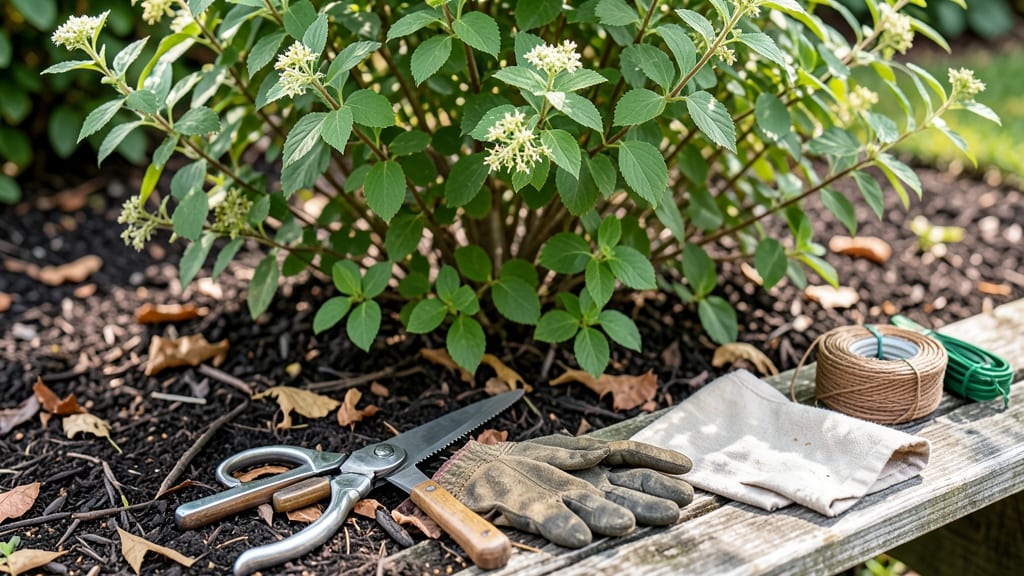
Pruning bridal spirea in late winter is the secret weapon for its showstopping spring blooms. ✂️ I've pruned mine for years, and the difference between a leggy shrub and a lush, flower-covered canopy comes down to timing, technique, and a few sharp cuts. Most gardeners wait too long—by the time you notice the bare stems, you've missed the prime window for encouraging dense new growth.
The right tools and a crisp day make all the difference. You'll need clean pruners, gloves, and a clear view of the shrub's structure. Bridal spirea blooms on old wood, so we're not removing flowers—we're shaping the framework that will support next year's display.
Think of it like giving your plant a fresh start before the growing season even begins.
By the time spring arrives, you'll have a shrub that's compact, vigorous, and covered in white blossoms from top to bottom. The key is removing no more than one-third of the oldest stems each year, always cutting just above a healthy bud.
This encourages the shrub to put energy into new growth rather than maintaining old wood.
Works for both established shrubs and younger plants, and the same principles apply whether you're shaping a formal hedge or letting it grow naturally. Here's how to do it right the first time—no more guessing or second-guessing your cuts.
📚 In This Guide
- What you need
- Instructions
- Tips and common mistakes
- Wrapping up and next steps
What you need
- ● Pruning shears: Bypass pruners (sharp, clean, and disinfected with rubbing alcohol or bleach solution to prevent disease). Quantity: 1 pair (or 2 if you have a large shrub).
- ○ Loppers: For thicker stems (½-inch or larger). Quantity: 1 pair (optional if your shears are sturdy).
- ● Garden gloves: Heavy-duty, cut-resistant (e.g., FrogToggs or Workrite brands). Quantity: 1 pair.
- ● Disposable pruning bags or bucket: To collect and dispose of clippings. Quantity: 1–2 (depending on shrub size).
- ○ Hand saw: Only for very thick stems (>1-inch diameter). Quantity: 1 (optional).
- ● Rag or paper towels: For cleaning tools between cuts.
- ● Pruning sealant: (e.g., Tanglefoot Tree Wound Pruning Seal) for large cuts—controversial but some swear by it!
- ● Ladder or step stool: If your spirea is tall (4–6 ft). Safety first!
- ● Spray bottle with soapy water: For cleaning tools on the go.
- ● Notebook & pen: To sketch a quick map of your cuts if you’re ambitious.
Step-by-Step guide to pruning bridal spirea for spring growth
Here's how I transform my bridal spirea from a winter-worn shrub into a lush, flowering powerhouse.
✂️ Step 1: Time Your Prune for Late Winter Dormancy
Wait until late winter—after the worst cold snaps but before new growth begins—usually mid-to-late February in most climates. Bridal spirea blooms on old wood, so pruning too early risks cutting off next season's flowers. Look for dormant stems with no signs of swelling buds or green tips.
I always check the forecast for a mild, dry day (above 40°F) to avoid stressing the plant. If your area has unpredictable winter thaws, err on the side of waiting—you can't rush this step. The goal is to prune while the plant is still resting but before it wakes up.
🌿 Step 2: Assess the Shape and Remove Dead Wood
Start by removing any dead, diseased, or crossing branches—these compete with healthy growth. Dead wood is easy to spot: it's brown, brittle, and doesn't bend. Cut these back to the base of the shrub using clean, sharp pruners (sterilize with rubbing alcohol between cuts).
Next, shape the shrub by thinning out overcrowded branches from the center. Aim for an open vase shape—this lets light and air circulate, which prevents fungal issues. I like to step back every few cuts to visualize the overall form. You'll see the skeleton of the plant emerge as you work.
✂️ Step 3: Cut Back Last Year's Growth by One-Third
Now for the key move: reduce all remaining stems by about one-third of their length. This encourages dense, bushier growth and prevents leggy stems. Make cuts just above a bud or leaf node (the bump where new growth will emerge). Angle the cut slightly downward to shed water.
If your spirea looks particularly straggly, you can cut back even more—but never remove more than half the plant in one year. The goal is to stimulate new branches from the base, not shock the shrub. After pruning, the stems should look balanced and evenly distributed around the plant.
☀️ Step 4: Clean Up and Apply a Light Mulch
Rake up all the clippings and dispose of them (don’t compost diseased wood). Sweep away any fallen leaves or debris from the base—this prevents pests and disease. Now’s the time to add a 2-inch layer of mulch (like shredded bark) around the base, keeping it 6 inches away from the trunk to avoid rot.
Water deeply but lightly—just enough to settle the mulch. Overwatering now can encourage weak growth before the plant’s ready. Your pruned spirea will look neat but sparse right after, but within weeks, you’ll see tight, vibrant new shoots pushing through.
Tips & tricks for pruning bridal spirea
Here's what I've learned after years of transforming my own bridal spirea—these little details make all the difference.
Timing is Everything: That 40°F minimum temperature in Step 1 isn't just arbitrary—it's when the plant's natural defenses are strongest. If you prune too early, you risk encouraging new growth that could get nipped by late frosts. I've seen this happen when I got impatient after a warm spell in January. Wait for those consistent daytime highs above 40°F for at least 3-4 days before you start.
Tool Prep Makes the Difference: Before you even touch the plant, sterilize your pruners with rubbing alcohol between cuts (Step 2). I learned this the hard way when I skipped it—my plant developed fungal spots in spring. Also, make sure your blades are sharp! Dull tools crush stems, which invites disease. A quick test: if your pruners struggle to cut through a pencil, they need sharpening.
Visualizing the Vase Shape: When shaping in Step 2, imagine your spirea as an inverted vase. The widest part should be at the base, narrowing slightly toward the top. This creates that gorgeous, layered look we all love. I like to hold a piece of cardboard in the shape of a vase next to the plant as a guide—it helps me see the big picture while I'm cutting.
Mulch Depth Matters: That 2-inch layer in Step 4 is perfect for moisture retention without smothering the plant. Too little mulch won't protect roots, while too much can cause rot. I use shredded bark because it breaks down slowly, but pine straw works too. Just remember to keep it 6 inches away from the trunk to prevent moisture buildup against the bark.
Pro Tips for Pruning Bridal Spirea
- Here's what I've learned after years of transforming my own bridal spirea—these little details make all the difference.
- Timing is Everything: That 40°F minimum temperature in Step 1 isn't just arbitrary—it's when the plant's natural defenses are strongest.
- Tool Prep Makes the Difference: Before you even touch the plant, sterilize your pruners with rubbing alcohol between cuts (Step 2).
Frequently asked questions
Got questions about pruning your bridal spirea? You’re not alone! Here are some of the most common queries—and straightforward answers—to help you master late-winter pruning like a pro.
When is the exact best time to prune bridal spirea?
Late winter (just before new growth starts) is ideal—typically February through early March in most climates. If you miss this window, you can prune lightly in early spring, but avoid heavy cuts then, as it may delay flowering. Pro tip: Wait until temps are consistently above freezing to prevent frost damage to fresh cuts.
How much should I cut back—25%, 50%, or more?
For bridal spirea, aim to cut back ⅓ to ½ of the plant’s height each year. This encourages dense, bushy growth and vibrant blooms. Avoid over-pruning (more than ⅔), as it can stress the plant. Younger plants may need less aggressive cuts, while older, leggy spireas benefit from a harder prune.
What if I skip pruning—will my bridal spirea still flower?
Yes, but expect fewer, smaller blooms and a less manicured shape. Pruning removes old wood, stimulates new growth, and keeps the plant healthy. Skipping it won’t kill your spirea, but you’ll miss out on that showstopping spring canopy! Think of it like a haircut—regular trims keep things looking their best.
Will pruning now delay the flowers next spring?
Not if done correctly! Bridal spirea blooms on new wood, so late-winter pruning encourages earlier and fuller flowers. Just avoid pruning after buds form in early spring. If you’re worried, prune in stages: cut back ⅓ now, then trim lightly in early spring if needed. Patience pays off!
What’s a good alternative if I hate pruning?
If pruning feels like a chore, consider low-maintenance alternatives like:
- Butterfly Bush (Buddleia) – Thrives with minimal pruning.
- Dwarf Ninebark (Physocarpus) – Tolerates light trims.
- Weigela – Blooms on old wood, so prune after flowering.
What do I do if my spirea looks sad after pruning?
Don’t panic! A few signs of stress are normal. If leaves yellow (chlorosis), check soil pH—spirea prefers slightly acidic to neutral (6.0–7.0). If growth is sparse, fertilize lightly with balanced 10-10-10 in early spring. Overwatering can also cause issues, so ensure well-draining soil. Most plants bounce back in weeks!
Wrapping up and next steps
Pruning your bridal spirea in late winter isn’t just a chore—it’s the secret to a showstopping spring display!
By following the right techniques, you’ll encourage dense, healthy growth and keep those delicate blooms coming back year after year. 🌸 Now that you’re armed with the know-how, there’s only one step left: grab those pruners and get to work! Your future spring garden will thank you.
Pro tip: Mark your calendar for next year’s late winter pruning—consistency is key to keeping your bridal spirea thriving. Happy pruning! ✂️