
Pruning
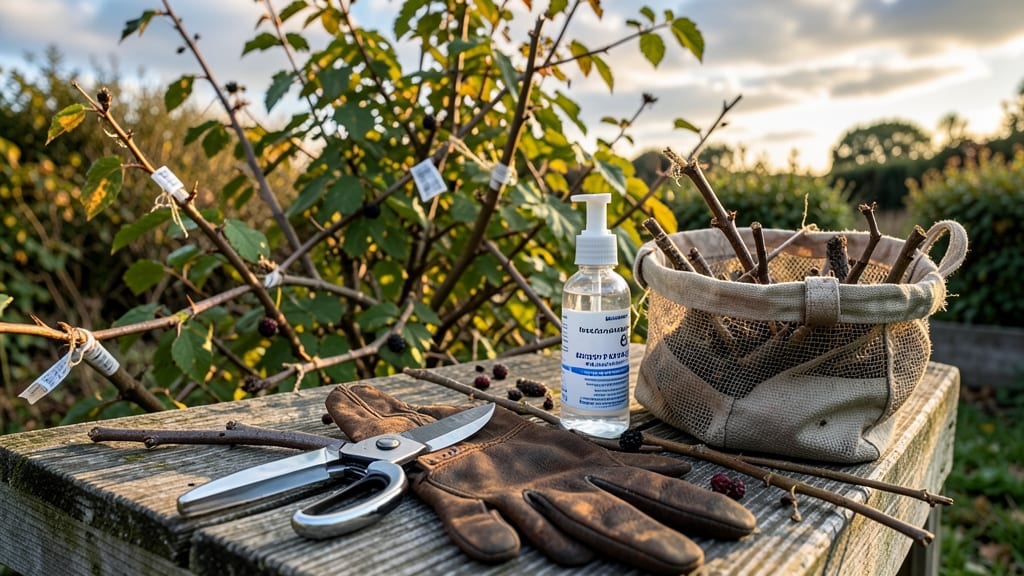
Fall pruning blackberry bushes transforms next year's harvest from a maybe to a guaranteed bounty. 🌿 I've pruned these thorny giants for years, and the difference between a neglected thicket and a productive patch comes down to a few sharp cuts at the right time.
The key? Timing it after harvest but before hard frost—when the canes are dormant but still identifiable.
Most gardeners make two critical mistakes: pruning too late (when canes are already damaged by frost) or too early (removing next year's fruit-bearing wood). The ideal window is 2-4 weeks after harvest, when you can clearly see which canes produced fruit this year and which are dead or weak.
Grab your loppers and gloves—this isn't just about tidying up, it's about setting your bushes up for stronger growth and heavier fruit in spring.
What you'll end up with is a blackberry patch that's easier to manage, with better airflow that prevents diseases like botrytis. The canes you leave will be thicker and more productive, and those thorns?
They'll be easier to navigate. Plus, winter prep becomes simpler when you've already removed the deadwood. This isn't just maintenance—it's an investment in next year's berries.
Works for both primocanes (current year's growth) and floricanes (last year's fruit-bearing canes), though the techniques differ slightly. Whether you're in a mild climate or facing harsh winters, the principles stay the same—just adjust your timing by a week or two. Let's get those canes looking sharp for spring.
📚 In This Guide
- What you need
- Instructions
- Tips and common mistakes
- Wrapping up and next steps
What you need
- ● Pruning shears or loppers: Choose bypass pruners (sharp, clean cuts) or loppers (for thicker canes, 1.5–2.5" cutting capacity). Quantity: 1 pair.
- ● Gloves: Heavy-duty, gardening gloves (cut-resistant, like those with Kevlar or steel mesh). Quantity: 1 pair.
- ○ Disinfectant (optional but recommended): 70% isopropyl alcohol or a 10% bleach solution (1 part bleach to 9 parts water) to sterilize tools between cuts. Quantity: Small spray bottle or wipe.
- ● Rake or broom: For clearing fallen leaves/debris post-pruning. Quantity: 1.
- ○ Markers or flags (optional): Colored plant tags or bright flags to mark canes for removal if needed. Quantity: 5–10.
- ● Timing: Prune after the first hard frost (when canes are dormant but before winter rains). Ideal window: late fall to early winter (varies by climate zone).
- ● Weather: Choose a dry, calm day to avoid spreading disease or soil compaction.
- ● Safety: Wear closed-toe shoes and long sleeves—blackberry canes can be thorny!
Step-by-Step guide to pruning blackberry bushes in fall
Here's how to give your blackberry bushes a clean start for next year's harvest.
✂️ Step 1: Identify Canes to Keep and Remove
Blackberries grow on two-year-old canes—first year they grow, second year they fruit, then they die. In fall, focus on removing last year's fruited canes (they'll be brown and dead-looking) and any weak, diseased, or crossing canes. I like to work on a dry, sunny day when the canes are easier to see and handle.
Start by locating the thickest, healthiest canes—these are your future fruit producers. Keep about 6-8 of these prime canes per plant (more for larger bushes). Thin out the rest, cutting at the base with sharp pruners. This opens airflow and sunlight to the center, preventing mold and encouraging strong new growth.
✂️ Step 2: Cut Back New Growth to 2-3 Feet
After removing old canes, turn to the current year's growth (green, flexible canes). These need a hard prune to redirect energy into next year's fruit production. Cut back each cane to about 2-3 feet tall—this prevents winter damage from heavy snow and encourages a bushier, more productive shape.
Make clean cuts just above a bud facing outward (about ¼ inch above). Avoid leaving stubs or cutting too close to buds, which can rot. If you're unsure which way a bud faces, hold the cane so the bud points away from the center of the plant—this creates an open, accessible bush for harvesting.
✂️ Step 3: Remove Suckers and Weeds from the Base
Blackberries send up aggressive suckers from the roots, which compete with your main canes for nutrients. Grab a pair of gloves and dig out any suckers growing more than 3 feet from the main plant—these are energy vampires. For closer suckers, simply cut them at the base with pruners.
Clear weeds within a 3-foot radius of the bush, too. Weeds steal moisture and nutrients, leaving your blackberries weak. Mulch the cleared area with 2-3 inches of straw or wood chips to suppress future weeds and retain moisture. This also protects roots from freezing temperatures in winter.
✂️ Step 4: Clean Up and Disinfect Tools
Before putting your pruners away, wipe them down with a 10% bleach solution (1 part bleach to 9 parts water) to prevent spreading disease between cuts. I also spray the cuts on the canes with the same solution to kill any lingering pathogens. This step is non-negotiable—diseases like anthracnose can hide in tools and wipe out your harvest next year.
Rake up and dispose of all pruned canes and debris. If you compost, only add healthy, disease-free material—never compost canes that show signs of rust or mold. Store your pruners in a dry place until next season, and sharpen the blades to keep them ready for spring adjustments.
Tips & tricks for pruning blackberry bushes in fall
Here's what I learned after years of trial and error with my own blackberry patch—these tricks will save you time and frustration.
Timing Secret: Fall is the perfect time to prune because the plant is dormant, but don't wait too late. Aim for late October to early November before the first hard frost. This gives the bush time to heal before winter sets in. I've noticed that pruning too early can leave canes vulnerable to late-season pests, while pruning too late can stress the plant before it enters dormancy.
Cane Selection Tip: When choosing which canes to keep in Step 1, look for ones that are at least pencil-thick with smooth, green bark. These are your powerhouses for next year's fruit. I've made the mistake of keeping thinner canes hoping for bigger yields, but they never produce well. Remember, you're investing in next year's harvest by keeping only the strongest canes—about 6-8 per plant is ideal for most home gardens.
Pruning Precision: In Step 2, when cutting back new growth to 2-3 feet, make sure your cuts are clean and at a 45-degree angle just above an outward-facing bud. This angle helps water run off the cut, preventing rot. I use a small notepad to mark which buds I'm targeting before making cuts—it keeps me organized and ensures I don't accidentally cut too close to the bud. Also, avoid leaving stubs, as they can harbor diseases over winter.
Seasonal Maintenance: After your initial fall pruning, make it a habit to do a quick check in early spring before new growth starts. Remove any canes that died over winter or show signs of disease. This second pass ensures your bush stays healthy and productive year after year. I've seen bushes that were neglected between seasons struggle to recover, while those with regular maintenance thrive.
Pro Tips for Pruning Blackberry Bushes In Fall
- Here's what I learned after years of trial and error with my own blackberry patch—these tricks will save you time and frustration.
- Timing Secret: Fall is the perfect time to prune because the plant is dormant, but don't wait too late.
- Cane Selection Tip: When choosing which canes to keep in Step 1, look for ones that are at least pencil-thick with smooth, green bark.
Frequently asked questions
Got questions about pruning blackberry bushes in fall?
Here are answers to the most common concerns—so you can tackle the task with confidence and clarity!
When is the exact best time to prune blackberry bushes in fall?
Prune after the first hard frost (when canes are dormant) but before winter’s worst cold sets in—typically late October to November, depending on your climate zone. This timing balances frost protection with giving bushes time to heal before spring. Avoid pruning too early (like late summer), as new growth won’t harden off before winter.
Do I need to prune blackberries every fall, or just some years?
Yes, prune annually in fall for floricane (fruit-producing) types like Darrow or Triple Crown. For primocane varieties (like Apache or Chester), prune lightly in fall, but focus on summer pruning. Neglecting fall pruning leads to overcrowded canes, fewer berries, and weaker plants. Think of it as a reset button for next year’s harvest!
What if I accidentally prune my blackberries too late—can I still save them?
If pruned after winter (late December or later), don’t panic! The bushes will survive, but you’ll miss the ideal timing for stronger regrowth. Late pruning can delay spring’s fruit production. If it happens, focus on removing dead/diseased canes immediately and prune again in early spring to encourage new growth. Prevention tip: Mark your calendar or set a phone reminder!
Can I prune blackberries in spring instead of fall? What’s the difference?
Spring pruning (late winter/early spring) is an option, but fall pruning is preferred because:
- Better disease control: Fall pruning removes last year’s canes before fungal spores spread in spring.
- Easier cleanup: Dormant canes are lighter to handle and dispose of.
- Stronger root system: Pruning in fall lets roots focus on energy storage for spring.
If you must prune in spring, do it before buds swell (early March in most zones).
What should I never do when pruning blackberry bushes?
Avoid these pruning no-nos:
- Pruning wet canes: Wait for dry weather to prevent disease spread.
- Leaving stubs: Cut canes at the crown (ground level) for clean regrowth.
- Over-pruning: Never remove more than ⅓ of the plant in one season.
- Using dull tools: Ragged cuts invite pests and disease.
Pro tip: Sterilize your pruners with rubbing alcohol between cuts to prevent bacterial hitchhikers!
Wrapping up and next steps
Fall pruning is your secret weapon for healthier blackberry bushes and a bountiful harvest next season! 🌱 By removing old canes, thinning crowded growth, and sharpening your tools, you’re setting the stage for stronger, more productive plants.
Now that you’re armed with the know-how, there’s no better time to roll up your sleeves and get pruning—your future berry patches will thank you!
Ready to take action? Mark your calendar for late fall (after the first frost but before winter dormancy) and grab those pruners. Happy pruning—and here’s to next year’s juiciest blackberries! 🍇✨