
Pruning
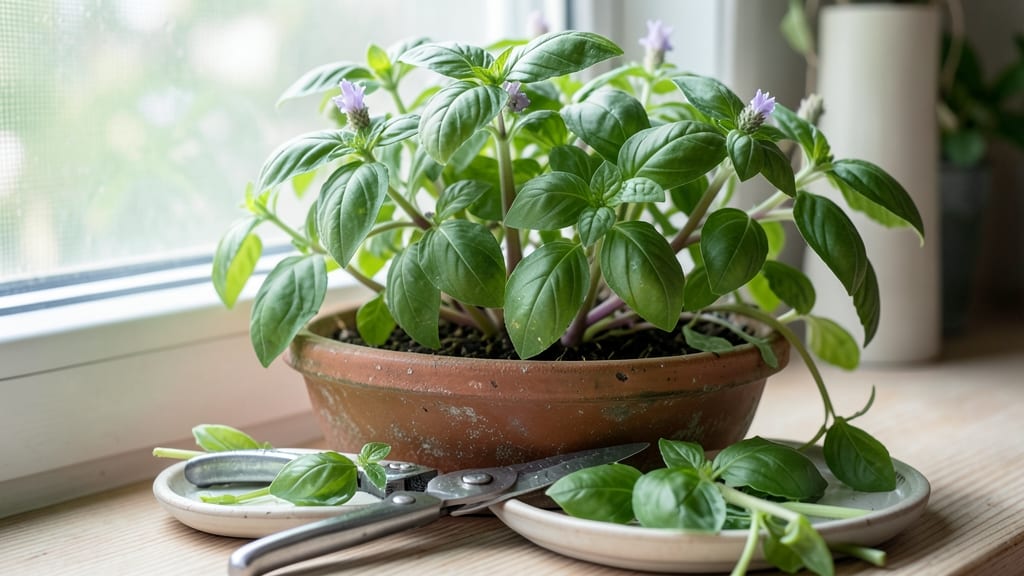
Pruning basil to make it bushy transforms scraggly plants into lush, flavor-packed bushes. 🌿 I’ve turned my kitchen windowsill from a sad basil stalk to a thriving herb factory by mastering this simple technique—no fancy tools or green thumbs required. The key is timing: start when your basil has 4-6 true leaves, then pinch the top set of leaves just above a pair of lower leaves. This forces the plant to branch out instead of growing tall and leggy. Repeat every 2-3 weeks as new growth appears, and you’ll end up with a bushy plant that produces more leaves than you can use. After pruning, give your basil a drink of water and move it to a spot with bright, indirect light—direct sun can stress newly pruned plants. The best part? Those pinched-off stems don’t go to waste: toss them in pasta or pesto for extra flavor while your plant gets bushier. This method works for container-grown basil or garden beds, and it keeps producing all season long. Ready to give it a try?
📚 In This Guide
- What you need
- Instructions
- Tips and common mistakes
- Wrapping up and next steps
What you need
- ● Healthy basil plant: A mature basil plant (at least 6–8 inches tall) with 4–6 true leaves (not just seed leaves). Pro tip: 🌱 Start with a thriving plant for best results!
- ● Clean, sharp pruning shears or scissors: A small pair (2–4 inches) with sterilized blades (rubbing alcohol wipe works!). Skip dull tools—🔪 they crush stems and invite disease.
- ○ Gloves (optional but recommended): Lightweight gardening gloves to protect your hands from sap and sharp edges.
- ● Spray bottle with water: A 4–8 oz bottle to mist leaves post-pruning (helps reduce stress).
- ● Pruning hormone (rooting powder): Speeds up regrowth if you’re propagating cuttings (e.g., Rootone or hormone-free alternatives).
- ● Container or pot (if repotting cuttings): A small 4–6 inch pot with drainage holes for propagated stems.
- ● Balanced fertilizer (5-5-5 or 10-10-10): A diluted solution (½ tsp per gallon of water) to feed the plant after pruning.
- ● Pruning log or notebook: To track growth stages and pruning dates (great for beginners!).
How to prune basil for bushier, flavor-packed growth
This is the secret to getting that restaurant-quality basil you’ve always wanted—just a few simple pinches.
🌿 Step 1: Wait for the Right Time to Prune
Prune basil when it reaches about 6 inches tall and has 4-6 true leaves. This is the moment that matters: if you prune too early, the plant won’t have enough energy to branch out. If you wait too long, you’ll end up with a leggy, weak plant that never fills out.
Look for sturdy stems with at least two sets of leaves—these are your visual cues. The first set of leaves (called cotyledons) are tiny and round, but the true leaves are larger and more elongated. That’s when you know it’s time to pinch.
✂️ Step 2: Pinch the Top Set of Leaves
Use clean, sharp scissors or your fingers to pinch off the top set of leaves just above a pair of leaves below it. This is where new branches will sprout. I like to make the cut at a slight angle to prevent water from pooling on the stem, which can cause rot.
Don’t worry about how many leaves you’re removing—you’re not harvesting, you’re encouraging growth. The goal is to remove the top growth so the plant focuses its energy on producing side shoots. You’ll see new leaves emerging from the leaf axils (the spots where leaves meet the stem) within a week.
🌱 Step 3: Encourage Branching with Regular Maintenance
After the first pinch, keep an eye on your basil. Once it grows another 2-3 inches and develops new sets of leaves, pinch again at the same spot. Repeat this process every 2-3 weeks during the growing season to keep the plant bushy and productive.
Real talk: if you see a stem growing too long or leggy, pinch it back to encourage more branching. You’ll know you’re doing it right when the plant looks full and dense, with multiple stems growing from the base. This isn’t just about looks—bushier plants also produce more flavorful leaves.
☀️ Step 4: Support Growth with Proper Light and Water
Basil needs 6-8 hours of sunlight daily to stay healthy and bushy. If your basil starts stretching toward the light or growing pale, it’s not getting enough. Move it to a sunnier spot or supplement with a grow light. I’ve found that basil grown in bright light tastes significantly better and grows more compactly.
Water the plant when the top 1 inch of soil feels dry. Basil hates soggy roots, so make sure the pot has drainage holes. Overwatering can lead to yellow leaves and weak growth, which defeats the whole purpose of pruning. A good rule of thumb is to water deeply but less frequently—this encourages stronger root growth.
🌿 Step 5: Harvest Leaves for Continuous Growth
Once your basil is well-established and bushy, you can start harvesting leaves regularly. To encourage more growth, pinch off individual leaves from the outer edges of the plant. Avoid cutting into the main stems unless you’re pruning for bushiness—this can damage the plant.
Here’s the thing—harvesting leaves actually stimulates the plant to produce more. The more you pick, the more it grows. Just don’t take more than 1/3 of the plant at a time, or you’ll stunt its growth. Use the leaves you harvest in cooking, and you’ll have a steady supply of fresh, flavorful basil all season long.
Tips & tricks for perfect basil pruning
These simple tricks will help you transform your basil from scraggly to lush in no time.
Visual Cues for Step 1: When checking your basil's height, measure from the soil line—not the pot's rim. The 6-inch mark should be from the actual stem base. I've seen people over-prune because they measured from the pot, which can be misleading if you're using a deep container. Also, count those true leaves carefully—sometimes the first pair looks like cotyledons but is actually the first true set.
Pinching Technique: For a cleaner cut in Step 2, use your thumb and forefinger to pinch just above the leaf node (where leaves meet the stem). This prevents tearing and encourages stronger new growth. I've found that making the cut at a 45-degree angle helps water bead off the stem instead of pooling, which can cause rot. If you're nervous about pinching, practice on a few stems first—you'll get the hang of it!
Light and Growth: The 6-8 hours of sunlight in Step 4 is non-negotiable for flavor, but here's the secret: if your basil starts stretching toward light (called bolting), it's begging for more. Move it closer to a south-facing window or supplement with a grow light for 12-14 hours daily. I've seen basil go from pale and weak to vibrant green in just 3 days with proper light adjustments. For indoor growers, a simple LED bulb works wonders—just keep it 6-12 inches above the plant.
Pro Tips for Pruning Basil To Make It Bushy
- These simple tricks will help you transform your basil from scraggly to lush in no time.
- Visual Cues for Step 1: When checking your basil's height, measure from the soil line—not the pot's rim.
- Pinching Technique: For a cleaner cut in Step 2, use your thumb and forefinger to pinch just above the leaf node (where leaves meet the stem).
Frequently asked questions
When is the best time to prune basil for bushiness?
Prune basil when it reaches 6–8 inches tall and has at least 6–8 leaves. This is usually 4–6 weeks after germination. Focus on spring and early summer for optimal growth—avoid pruning in extreme heat or cold, as stress can harm the plant.
How much should I cut off when pruning basil?
Remove about 1/3 of the plant’s height by pinching off the top set of leaves (just above a pair of leaves). For mature plants, you can trim 2–3 inches from the stem. Always use clean scissors or fingers to avoid disease.
What if my basil doesn’t get bushier after pruning?
If your basil stays leggy, check for these issues:
- Lack of sunlight – Basil needs 6+ hours of sun daily.
- Overcrowding – Space plants 12–18 inches apart.
- Underwatering – Keep soil consistently moist (not soggy).
- Nutrient deficiency – Use a balanced fertilizer (10-10-10) every 3–4 weeks.
Can I use pruned basil stems for anything else?
Don’t waste those cuttings
—they’re perfect for:
- Regrowing – Place stems in water to root and propagate new plants.
- Homemade pesto – Use the leaves (and stems) in recipes!
- Compost – Chop stems finely and add to your compost pile.
Should I prune basil before winter?
No—stop pruning 4–6 weeks before the first frost. Winter pruning stresses the plant and may kill it. Instead, harvest leaves lightly and bring potted basil indoors if temperatures drop below 40°F (4°C). Basil is an annual, so it won’t survive freezing anyway!
Wrapping up and next steps
Pruning basil isn’t just about keeping it tidy—it’s your secret weapon for bushier, more flavorful plants that’ll reward you with harvest after harvest. 🌿 With the right techniques, you’ll encourage lush growth, prevent legginess, and enjoy a steady supply of fresh leaves for your favorite dishes.
Now that you’re armed with the know-how, there’s no time like the present to grab those shears and get pruning!
Ready to take it further? Try experimenting with propagating your cuttings—those pinched stems can root in water and grow into new basil plants! Happy gardening, and may your kitchen always smell like sunshine. 🌞