
Pruning
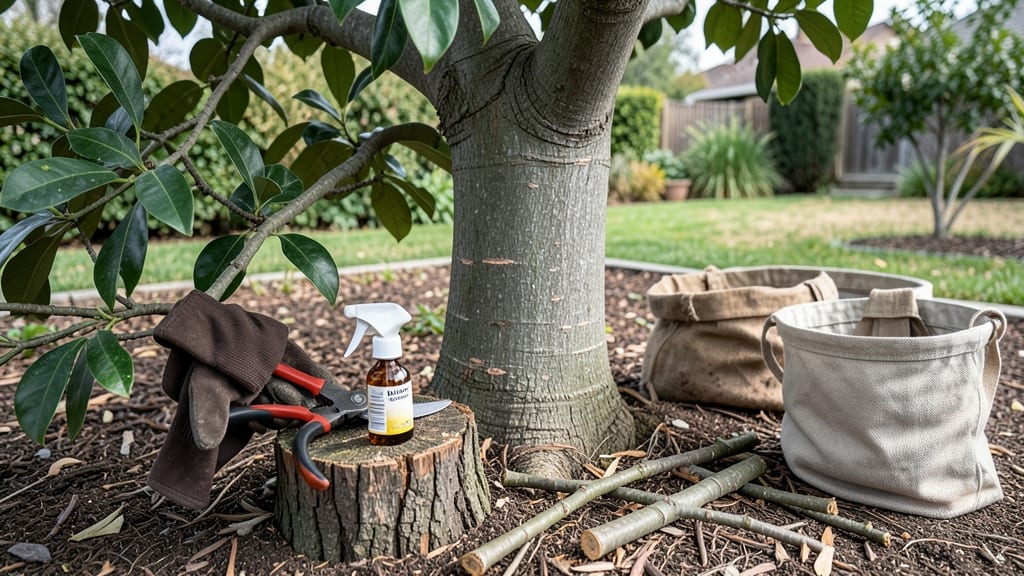
Pruning an avocado tree isn’t just about shaping—it’s about unlocking healthier growth and preventing those stubborn dead branches from stealing nutrients. 🌿 I’ve learned the hard way that skipping this step leads to a lopsided tree with fewer fruits, so I now prune with purpose every season.
The key is timing: young trees need shaping in late winter, while mature ones benefit from light pruning after harvest.
You’ll need sharp bypass pruners, a sturdy ladder (for taller trees), and rubbing alcohol to sterilize cuts—trust me, this prevents fungal infections that can cripple your tree. Start by removing any dead, diseased, or crossing branches first; these are the ones choking your avocado’s potential.
Then, thin out the canopy by cutting back branches that grow inward to let sunlight reach the center.
After pruning, your tree will reward you with thicker foliage and more fruit in just a few months. The secret? Never remove more than 25% of the canopy at once—this keeps your avocado tree stressed but not shocked.
Young trees respond best to gentle shaping, while mature ones can handle slightly bolder cuts to open up the center for airflow and sunlight.
Common mistakes? Pruning too late in the year or using dull tools—both lead to slow recovery. And if you’re in a warm climate, light pruning can happen year-round, but always avoid heavy cuts during peak growing season.
Your tree will thank you with stronger branches and a fuller harvest next year.
📚 In This Guide
- What you need
- Instructions
- Tips and common mistakes
- Wrapping up and next steps
What you need
- ● Pruning shears: Bypass pruners (4–6-inch blades) for small branches (1/4–3/4 inch thick). Look for sharp, stainless steel blades to avoid crushing.
- ● Loppers: Bypass or anvil type (8–12-inch blades) for medium branches (3/4–2 inches thick). Opt for ratcheting loppers for extra leverage.
- ● Pruning saw: Folding handsaw (10–12 inches) for thick branches (2+ inches). Choose a fine-tooth blade for clean cuts.
- ● Gloves: Heavy-duty, cut-resistant (e.g., mechanics or pruning gloves) to protect against thorns and sap.
- ● Disinfectant: 70% isopropyl alcohol or bleach solution (1 part bleach to 9 parts water) to sterilize tools between cuts.
- ● Rope or extension pole: 10–15 ft (for tall trees) to reach higher branches safely.
- ● Bucket or tarp: Large enough to collect pruned branches and debris.
- ● Hand saw or pole saw: For very thick branches (3+ inches) if your pruning saw struggles.
- ● Tree wound dressing: Pruning sealant (controversial but useful for large cuts >2 inches to prevent disease).
- ● Ladder: Sturdy, extendable (if your tree is over 6–8 feet tall).
- ● Safety glasses: To shield eyes from debris.
- ● Notebook & pen: To sketch your pruning plan or mark branches for removal.
Step-by-Step instructions for pruning avocado tree
This is how I keep my avocado tree thriving year-round—focused cuts that boost fruit production and air flow.
🌿 Step 1: Assess the Tree for Pruning Needs
Start by examining your avocado tree for dead, diseased, or crossing branches. Dead wood is easy to spot—it's brown, brittle, and snaps when you bend it slightly. Diseased branches often have dark spots or oozing sap. I always prune these first because they drain energy from healthy growth.
Next, look for branches that cross or rub against each other. These create wounds that invite fungal infections. Mark these with a piece of surveyor's tape so you don't miss them during the actual pruning. The goal here is to create an open canopy that lets sunlight and air reach all parts of the tree.
✂️ Step 2: Make Clean Cuts at the Right Angles
Use sharp, clean pruning shears or a pruning saw to make cuts at a 45-degree angle, about ¼ inch above a leaf node or outward-facing bud. This angle helps water run off instead of pooling at the cut. Never leave stubs—avocado trees heal poorly from improper cuts, and stubs often rot.
For larger branches thicker than ½ inch, make a second cut about 12 inches away from the first, then remove the branch by cutting downward between the two cuts. This prevents tearing the bark. Always sterilize your tools with rubbing alcohol between cuts to prevent spreading disease.
☀️ Step 3: Shape the Canopy for Optimal Sunlight
Avocado trees need 6+ hours of sunlight daily, so aim to create a balanced shape with an open center. Remove any branches growing inward or downward—they block light and create dense, shaded areas where fruit won't develop properly. I like to leave the outer canopy slightly wider than the inner branches to maximize sunlight exposure.
Watch for "water sprouts"—those fast-growing, vertical shoots that pop up along the trunk or branches. These compete with fruit production, so snip them off at the base. You'll know you're doing it right when the tree starts developing a more rounded, open shape within a few weeks.
🌱 Step 4: Prune for Fruit Production (Seasonal Focus)
In late winter or early spring, just before new growth begins, focus on pruning branches that have already fruited. Cut back 20-30% of the previous year's growth to encourage new, vigorous branches that will bear fruit. This is also the best time to thin out crowded branches to improve air circulation.
If your tree is young (under 5 years old), prioritize structural pruning—removing branches that grow too close to the trunk or compete with the main scaffold branches. Older trees benefit from lighter pruning to maintain shape and remove only dead or crossing wood.
⏰ Step 5: Clean Up and Monitor Recovery
After pruning, rake up all fallen debris and dispose of it in the trash—not the compost pile—to prevent fungal spores from reinfecting the tree. Sterilize your tools again before storing them. Water the tree deeply at the base to help it recover from the stress of pruning.
Keep an eye on the tree for the next 2-4 weeks. Healthy new growth should appear within that time, and any cuts should begin to seal over. If you notice oozing sap or dark spots at the pruning sites, apply a thin layer of pruning sealant to protect the wound and prevent infection.
Tips & tricks for pruning avocado tree
Here's what nobody tells you about pruning—these tricks will help you avoid common mistakes and get professional results.
Tool Prep Matters: Before you start, sharpen your pruning shears and sterilize them with rubbing alcohol. Dull blades tear bark instead of making clean cuts, which invites disease. I also keep a small spray bottle of diluted bleach solution (1 part bleach to 9 parts water) handy to wipe down tools between cuts on larger trees. This prevents cross-contamination between branches.
Visual Cues for Perfect Cuts: When making that 45-degree angle in Step 2, imagine you're cutting a slice of pizza—about ¼ inch above the leaf node. For larger branches, the second cut should be just outside the branch collar (that swollen area where the branch meets the trunk). This helps the tree heal faster. I mark the spot with a pencil before cutting to ensure precision.
Seasonal Timing Secret: The late winter/early spring timing in Step 4 isn't just arbitrary—it's when avocado trees naturally enter dormancy. Pruning then gives new growth time to harden off before summer heat arrives. For tropical climates, you can prune year-round, but always avoid heavy pruning during fruit production months when the tree is already stressed.
Recovery Watch: After pruning, monitor for new growth within 2-4 weeks as mentioned in Step 5. If you don't see fresh leaves emerging from the cuts, your pruning might have been too aggressive. A good rule of thumb: never remove more than 25% of the tree's canopy in one session. For young trees, even less is better—focus on shaping rather than heavy cutting.
Pro Tips for Pruning Avocado Tree
- Here's what nobody tells you about pruning—these tricks will help you avoid common mistakes and get professional results.
- Tool Prep Matters: Before you start, sharpen your pruning shears and sterilize them with rubbing alcohol.
- Visual Cues for Perfect Cuts: When making that 45-degree angle in Step 2, imagine you're cutting a slice of pizza—about ¼ inch above the leaf node.
Frequently asked questions
Got questions about pruning your avocado tree?
You’re not alone! Here are answers to the most common concerns—from timing to troubleshooting—to keep your tree thriving.
When is the best time to prune an avocado tree?
The ideal time is late winter or early spring (just before new growth begins). Avoid heavy pruning in summer or fall, as it can stress the tree or invite pests. Light shaping for safety or aesthetics? Year-round is fine—just avoid extreme temps (below 40°F or above 90°F).
How much can I prune without harming my avocado tree?
Never remove more than 25% of the canopy in one session. Avocados are sensitive to over-pruning, which can reduce fruit production or weaken the tree. For mature trees, focus on selective thinning—cutting back crowded branches to improve airflow and sunlight penetration.
What should I do if my avocado tree starts bleeding sap after pruning?
Sap bleeding (latex oozing) is normal but can attract pests like ants. To minimize it, prune on a dry day and seal cuts with pruning sealant (optional but helpful). Avoid pruning during wet weather, as moisture worsens sap flow. Don’t worry—it won’t harm the tree!
Will pruning reduce my avocado harvest?
Not if done correctly! Pruning increases fruit quality by improving light and air circulation. However, avoid heavy pruning during flowering season (late winter/early spring), as it may reduce the current year’s yield. Focus on structural shaping in off-seasons.
Can I prune an avocado tree too young?
Yes! Young trees (<3 years old) need minimal pruning—just remove dead, diseased, or crossing branches. Over-pruning can stunt growth. Wait until the tree reaches 6–12 feet tall before shaping the canopy. Think of it as training, not trimming.
What’s the difference between pruning and topping an avocado tree?
Pruning
= Strategic cuts to shape, improve health, and boost fruit. Topping = Brutally cutting the top flat (like a hedge)—avoid this! Topping stresses the tree, leads to weak regrowth, and invites disease. Stick to selective cuts for a stronger, fruit-bearing tree.
Wrapping up and next steps
Pruning your avocado tree isn’t just about shaping—it’s about nurturing a healthier, more productive plant! By following a year-round blueprint, you’ll encourage better airflow, sunlight penetration, and fruit yield while keeping pests at bay. 🌿 Whether you’re trimming for growth, safety, or aesthetics, consistency is key.
Now that you’re armed with the know-how, roll up your sleeves and get pruning! Start with small adjustments, observe your tree’s response, and refine your approach over time. Happy pruning—and may your avocado harvest flourish! 🍈✨