
Pruning
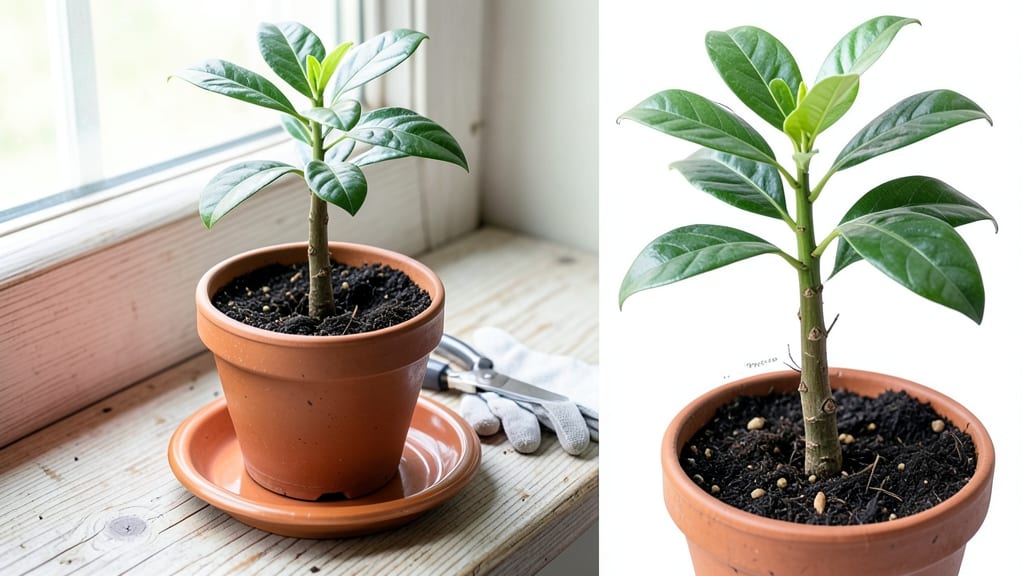
Pruning an avocado seedling isn’t just about trimming branches—it’s about shaping a future fruit-bearing tree. ✂️ I’ve watched my own seedlings go from scraggly to sturdy just by making a few simple cuts at the right time, and the difference in growth is night and day.
The key is encouraging strong structure early, so the tree can support heavy fruit later without snapping under the weight.
You’ll need just three things: clean, sharp pruning shears, a small spray bottle of diluted rubbing alcohol (to sterilize cuts), and a clear sunny day when temps are above 60°F.
The goal is to remove about 20-30% of the new growth, focusing on crossing branches, inward-growing stems, and any leggy shoots that stretch too far from the main trunk. This isn’t about aesthetics—it’s about air circulation and sunlight penetration, which prevent disease and encourage thicker stems.
After pruning, your seedling will look like it’s taking a nap—but that’s normal. Within 2-3 weeks, you’ll see new growth sprouting from the cuts, and those branches will be thicker and more resilient.
Just keep the soil consistently moist (not soggy) and hold off on heavy fertilizer for a month to let the cuts heal properly. The result? A tree that grows 2-3 feet taller per year with a sturdy frame ready for fruit.
Here’s the secret most beginners miss: prune in late winter or early spring, just as new growth starts. Avoid summer pruning—it stresses the plant when it’s already working hard to produce leaves.
And never cut more than 1/3 of the plant in one session, or you’ll stunt its growth. With these cuts, your avocado seedling will thank you for years to come.
📚 In This Guide
- What you need
- Instructions
- Tips and common mistakes
- Wrapping up and next steps
What you need
- ● Sharp pruning shears: Bypass pruners (4-6" blade) for clean cuts—sterilize with rubbing alcohol before use.
- ● Clean, sharp scissors or knife: For smaller branches (avoid dull tools—they crush stems!).
- ● Rubbing alcohol (70% isopropyl): 1 small bottle to disinfect tools and cuts (prevents disease).
- ○ Horticultural sealant (optional but helpful): Pruning wax or tree paint (for cuts wider than ½")—1 small jar.
- ● Gloves: Lightweight gardening gloves (protects from sap and thorns).
- ● Spray bottle with water: For rinsing sap off tools and hands.
- ● Healthy seedling: Prune only when the plant is actively growing (spring/summer) and free of pests/disease.
- ● Sunlight access: Ensure the area gets 6+ hours of sunlight daily—pruning boosts airflow and light penetration.
- ● Patience: Avocado seedlings grow slowly—plan for gradual pruning over months.
- ● Knowledge of growth habit: Familiarize yourself with avocado’s open-canopy shape to avoid over-pruning.
Step-by-Step guide to pruning avocado seedlings
Here’s how I prune avocado seedlings to encourage sturdy growth and set them up for future fruit production.
🌱 Step 1: Identify the Main Stem and First Branches
Start by examining your seedling for its main vertical stem—this is your primary focus. Avocado seedlings grow best with a single strong trunk, so any side branches that form too low will compete for energy. Look for the first set of branches that emerge from the main stem, typically within the first 12-18 inches. These are your targets for the first pruning.
Use your fingers to gently trace the stem’s path—you’ll feel where the branches split off. The goal is to remove any side branches that grow below 3 feet from the soil. These low branches will never receive enough sunlight to thrive and will weaken the main stem over time. Mark them with a small piece of tape if you’re unsure which to cut.
✂️ Step 2: Make Clean Cuts at the Right Angle
Use clean, sharp pruning shears (or small scissors for tiny branches) to make your cuts. Angle the blade at 45 degrees just above a bud or leaf node—this is where new growth will sprout. Avoid leaving stubs, as they can rot or attract pests. If you’re cutting a branch thicker than a pencil, make the cut ¼ inch above the node to prevent water from pooling.
For branches thicker than ½ inch, I like to make a second cut slightly deeper to avoid tearing the bark. Wipe the blade with rubbing alcohol between cuts to prevent spreading any potential diseases. You’ll know you’re doing it right when the cut is smooth and the branch falls away cleanly without tearing.
☀️ Step 3: Encourage Airflow and Light Penetration
After pruning, step back and assess the seedling’s shape. The main stem should now dominate the structure, with only the strongest branches remaining. This open shape allows sunlight to reach the center and air to circulate, which reduces humidity-related diseases like fungal infections. You’ll notice the seedling looks more upright and less crowded.
If the seedling has multiple branches competing at the same height, remove all but the two strongest, leaving them evenly spaced around the stem. This prevents overcrowding and ensures each branch gets enough nutrients. Water the seedling lightly after pruning to help it recover, but avoid soaking the fresh cuts.
🌿 Step 4: Monitor Growth and Plan Future Pruning
Over the next 4-6 weeks, watch for new growth from the buds you left behind. Healthy new leaves should appear bright green and firm, signaling the seedling is recovering well. If you see weak, yellowing leaves, it might mean the seedling is stressed—reduce watering slightly and ensure it’s getting at least 6 hours of sunlight daily.
Plan your next pruning session in 3-4 months, when the seedling has grown another 12-18 inches. At this stage, focus on removing any branches that grow inward or cross over others. The goal is to maintain an open, vase-like shape that maximizes sunlight exposure. This strategic approach ensures your avocado seedling grows into a strong, fruit-bearing tree.
Tips & tricks for pruning avocado seedlings
Here's what nobody tells you about pruning that'll make all the difference for your avocado seedling's future.
Branch Height Matters: In Step 1, when identifying branches to remove, focus on any growing below 3 feet—this is the critical threshold for sunlight exposure. I've seen seedlings with branches at 2 feet that never developed properly because they shaded the main stem. Use a tape measure if you're unsure, and don't hesitate to remove aggressive side branches that form within the first 12-18 inches of the stem.
Cutting Technique That Changed Everything: For branches thicker than a pencil, I learned the hard way that a single cut can tear the bark. The two-cut method in Step 2 prevents this: First make a shallow cut under the branch, then a deeper cut just above the node. This clean technique also reduces disease risk by minimizing exposed surfaces. Always wipe your shears with rubbing alcohol between cuts—it's a small habit that prevents big problems later.
Growth Monitoring Secret: After pruning, watch for new growth in the 4-6 week recovery period. Healthy leaves should be bright green and firm—if you see yellowing, it's a sign of stress. I've found that seedlings in low-light conditions (less than 6 hours of sunlight) often show this symptom first. Move your seedling to a sunnier spot immediately if you notice it, as this can make all the difference in recovery.
Future Pruning Strategy: When planning your next session in 3-4 months, aim for that open, vase-like shape mentioned in Step 3. This isn't just about looks—it's about maximizing sunlight exposure. I like to sketch a simple diagram of my seedling's shape before pruning to visualize how branches will grow. Remove any branches that cross over others or grow inward, as these will compete for sunlight and nutrients.
Pro Tips for Pruning An Avocado Seedling
- Here's what nobody tells you about pruning that'll make all the difference for your avocado seedling's future.
- Branch Height Matters: In Step 1, when identifying branches to remove, focus on any growing below 3 feet—this is the critical threshold for sunlight exposure.
- Cutting Technique That Changed Everything: For branches thicker than a pencil, I learned the hard way that a single cut can tear the bark.
Frequently asked questions
When is the best time to prune an avocado seedling?
The ideal time to prune is during the dormant season (late winter or early spring) or after the tree has finished flowering in late spring. Avoid heavy pruning in summer or fall, as it can stress the plant. Light shaping cuts can be done year-round, but major structural pruning should wait for the right season.
How much should I cut off my avocado seedling?
Start with no more than 25% of the foliage in the first pruning session. Focus on removing dead, diseased, or crossing branches first, then thin out excess growth to improve airflow. Avoid over-pruning—avocado seedlings are delicate, and aggressive cuts can stunt growth or invite pests.
What if my avocado seedling doesn’t have leaves after pruning?
Don’t panic! Pruning can shock the plant, causing temporary leaf drop. If new growth (small leaves or buds) appears within 2–4 weeks, your seedling is recovering. If not, check for overwatering, root rot, or pest damage. Reduce watering slightly and monitor for signs of stress like yellowing stems.
Can I prune an avocado seedling indoors?
Yes, but with adjustments! Indoor seedlings need less aggressive pruning due to limited light and space. Focus on removing only dead or crowded branches to prevent overcrowding. Ensure your seedling gets 6+ hours of sunlight daily—pruning won’t compensate for poor light, which can weaken growth.
What tools should I avoid when pruning avocado seedlings?
Skip dull or rusty tools—they can tear branches and introduce disease. Avoid large pruning shears or saws for seedlings; opt for sharp bypass pruners or clean scissors instead. Disinfect tools with rubbing alcohol between cuts to prevent bacterial spread.
Wrapping up and next steps
Pruning your avocado seedling may seem like a small task, but it’s the key to unlocking its full potential—stronger branches, better fruit production, and a healthier plant! 🌱 With the right tools, timing, and technique, you’re already setting your seedling up for success.
Now that you’re armed with knowledge, there’s no better time to roll up your sleeves and give your little tree the care it deserves.
Ready to take the next step? Monitor your seedling’s progress after pruning, adjust as needed, and soon, you’ll be harvesting homegrown avocados—one strategic cut at a time! 🥑✨