
Pruning
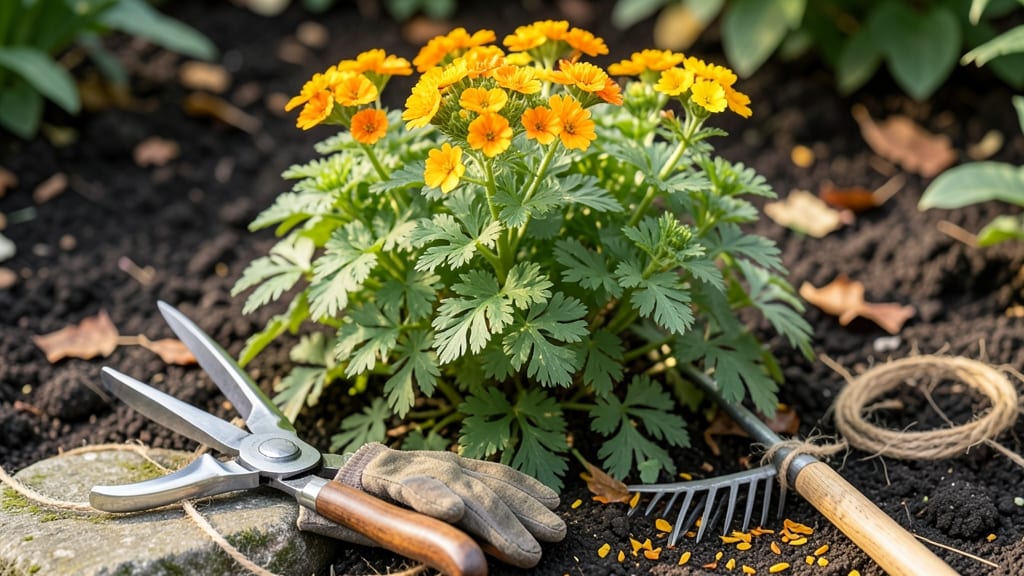
Pruning a potentilla means trimming dead or weak stems in early spring and shaping the plant after flowering to encourage thicker growth. Skip heavy cuts in late fall to avoid winter stress, and always use sterilized shears for clean cuts just above leaf nodes.
Potentillas thrive when you time pruning with their natural growth cycles. 🌱 The early spring trim removes winter-damaged stems while the plant is still dormant, while post-bloom shaping redirects energy into next year's flowers.
I've found that cutting back by one-third after blooms fade gives my plants the best balance of fullness and vigor. The key is patience—rushing the process can stress the shrub and delay flowering.
For best results, always use bypass pruners and clean them with rubbing alcohol between cuts to prevent disease spread. After pruning, give your potentilla a light watering and a slow-release fertilizer to support new growth.
Avoid pruning in fall unless absolutely necessary, as the plant needs its foliage to protect buds during cold months.
💡 In This Article
- Best Pruning Times for Potentilla Growth and Bloom Health
- Step-by-Step Potentilla Pruning Guide for Healthy Shrubs
Best pruning times for potentilla growth and bloom health
Potentillas follow a distinct growth cycle that determines the best pruning windows. The plant enters dormancy in late fall, when temperatures drop below 40°F, and remains dormant until late winter.
Pruning too early in fall can stimulate new growth that won't harden off before frost, while waiting until spring lets you cut back just as the plant begins its upward push.
This timing aligns with the plant's natural energy reserves, which are stored in the roots during dormancy and ready to fuel new shoots when days lengthen.
Post-bloom pruning—typically in late summer after flowers fade—works because potentillas produce flowers on both old and new wood. Cutting back by one-third of the plant's height redirects energy into next year's blooms while maintaining the shrub's structure.
The plant's photoperiodism (response to daylight length) triggers this regrowth phase, making summer the ideal time to shape the plant. 🌿 What most gardeners miss is that potentillas often produce a second flush of blooms if given enough time, so avoid heavy cuts until after these secondary flowers fade.
The science behind this timing involves the plant's hormonal balance. Auxin, a growth hormone concentrated in the tips of stems, suppresses branching. When you prune, you remove these growth tips, allowing lateral buds to awaken and produce bushier growth.
The plant's cambium layer—its growth-producing tissue—becomes most active in spring and summer, which is why cuts made during these seasons encourage thicker stems and more flowers. Over-pruning in fall disrupts this hormonal balance, leaving the plant vulnerable to winter stress.
Consider your climate zone when planning pruning times. In USDA zones 3-5, where winters are harsh, early spring pruning (March-April) is critical to remove frost-damaged stems before new growth begins.
In milder zones (6-8), you have more flexibility, but still avoid pruning after September 1st to prevent tender new growth from being damaged by late frosts. The goal is to work with the plant's natural rhythms rather than against them.
What happens if you prune at the wrong time? Heavy fall pruning can expose the plant's center to cold winds, while summer pruning too late may cut off next year's flower buds. Potentillas are resilient but not indestructible—they can take 3-5 years to recover from aggressive pruning.
I've seen gardeners accidentally turn their vigorous potentillas into leggy, sparsely flowering shrubs by pruning at the wrong time, so timing truly matters.
For maximum bloom production, aim to prune in two stages: early spring for cleanup and late summer for shaping. This two-step approach mimics the plant's natural growth patterns and gives you the bushiest, most floriferous potentilla possible. The key is observation—watch your plant's growth cues and adjust your timing accordingly.