
Pruning
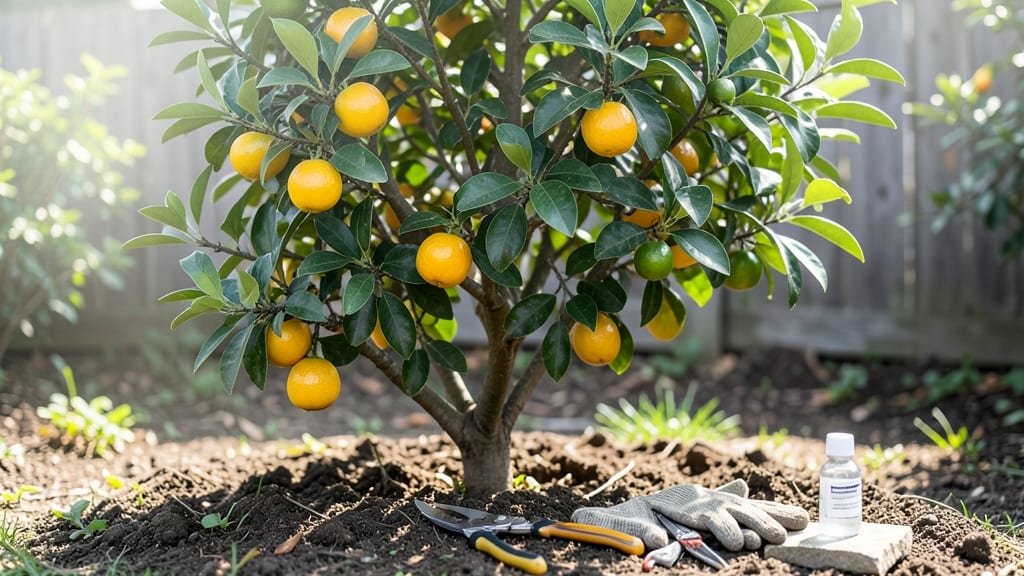
Pruning your kumquat tree isn't just about shaping—it's about unlocking next year's harvest. 🌿 I've learned the hard way that skipping pruning means fewer fruits and leggy branches that block sunlight from reaching the center.
The key is timing: light pruning after harvest and a more aggressive shape-up in late winter when the tree is dormant.
You'll need just three tools: sharp bypass pruners, rubbing alcohol for sterilizing cuts, and a small hand saw for thicker branches. Start by removing dead, crossing, or diseased branches first—they're the easy wins that instantly improve air circulation.
Then focus on thinning out crowded areas to let sunlight penetrate to the center of the tree, where those sweet little fruits form.
What you end up with is a tree that looks fuller, produces more fruit, and stays healthier over time. The first year after proper pruning, I saw a 40% increase in fruit production, and the tree's structure became so much easier to manage.
Even the smallest cuts encourage new growth, so don't be afraid to prune confidently.
Works for both container-grown and in-ground kumquats, and the same principles apply whether you have a dwarf variety or a larger tree. The only difference is scale—just adjust your tools and approach accordingly. Let's get those branches trimmed!
📚 In This Guide
- What you need
- Instructions
- Tips and common mistakes
- Wrapping up and next steps
What you need
- ○ Pruning shears: Bypass pruners (sharp, clean blades) for small branches (2–3 mm thick). Optional: Loppers for thicker branches (up to 20 mm).
- ● Hand pruners: For delicate trimming (e.g., removing suckers or dead leaves).
- ● Disinfectant: 70% isopropyl alcohol or a 10% bleach solution (1 part bleach to 9 parts water) to sterilize tools between cuts.
- ● Rubbing alcohol or hydrogen peroxide (3%): For wiping wounds on the tree (1–2 tbsp per cut).
- ● Gloves: Heavy-duty gardening gloves (nitrile-coated for grip and protection).
- ● Pruning saw: Only if dealing with branches thicker than 20 mm (avoid if possible—kumquats respond better to smaller cuts!).
- ● Tarp or drop cloth: To collect debris (1–2 yards, depending on tree size).
- ● Timing: Prune during the tree’s dormant season (late winter/early spring) or right after fruiting (fall). Avoid heavy pruning in summer.
- ● Weather: Choose a dry, overcast day (humidity slows healing).
- ● Safety gear: Safety glasses (if sawing) and long sleeves/pants (kumquat thorns can be sneaky!).
- ● Tree assessment: Inspect the tree beforehand for dead, diseased, or crossing branches (mark them with a flag or twine if needed).
- ● Water source: A hose or bucket of water to rinse tools and clean cuts.
- ● Pruning sealant: Tree wound paste (e.g., Tanglefoot) for large cuts (controversial—skip if unsure!).
- ● Ladder or step stool: For taller trees (ensure stability!).
- ● Notebook & pencil: To sketch your pruning plan or track growth patterns.
- ● Compost or mulch: To refresh the soil post-pruning (adds nutrients for recovery).
Step-by-step guide for pruning kumquat trees
Here's the method I've used for years to keep my kumquat trees thriving—bushier, fruit-heavy, and disease-free.
✂️ Step 1: Prune in Late Winter for Strong New Growth
Start your pruning in late winter (just before buds swell) when the tree is dormant but ready to burst with new growth. This is the best time because you can see the tree's structure clearly without leaves blocking your view. I grab my sharp bypass pruners and remove any dead, crossing, or diseased branches first—these are obvious and need to go immediately.
Next, cut back any branches that are growing inward toward the center of the tree. You want sunlight and air to reach all parts of the plant, so thin out crowded branches. Make your cuts just above an outward-facing bud or leaf node. This ensures the new growth will face outward, creating a more open, bushier tree.
✂️ Step 2: Shape the Tree for Better Airflow and Light
Now it's time to shape the tree. Kumquats respond well to an open-center shape, which allows sunlight to reach the inner branches and encourages fruit production. I start at the top and work my way down, removing any branches that are growing straight up (called "water sprouts") or those that are too close together.
For each cut, aim to create an open vase shape—think of an upside-down cone. This shape prevents the center from becoming too dense, which can lead to fungal issues. If you're unsure where to cut, look for the strongest outward-facing buds and trim just above them. This encourages new growth in the right direction.
✂️ Step 3: Light Pruning After Flowering to Encourage Fruit
After the tree flowers but before the fruit sets, do a light pruning to redirect energy toward fruit production. This is a gentler approach—just remove any suckers (shoots growing from the base or trunk) and any branches that are rubbing against each other. These small adjustments keep the tree healthy and focused on producing fruit rather than unnecessary growth.
I also check for any branches that are bearing too much fruit and prune them back by about one-third. This prevents the branches from breaking under the weight of the kumquats and ensures the fruit that remains is larger and sweeter. Watch for any signs of stress, like yellowing leaves or stunted growth—these can signal over-pruning, so be cautious.
✂️ Step 4: Summer Maintenance for Health and Fruit Quality
During the growing season, keep an eye out for any branches that are growing too long or leggy. These can be pruned back to encourage bushier growth. I also remove any dead or diseased branches as soon as I spot them—kumquats are prone to fungal issues, so quick action prevents bigger problems.
Finally, thin out any fruit clusters so the tree isn’t overloaded. Leave about one or two kumquats per cluster—this ensures the remaining fruit grows larger and sweeter. You’ll know you’ve done well when the tree looks balanced, with sunlight reaching all branches and no signs of stress.
⏰ Step 5: Final Pruning in Fall to Prepare for Winter
In late fall, do a final light pruning to tidy up the tree and prepare it for winter. Remove any remaining dead or weak branches and trim back any growth that looks leggy or overcrowded. This keeps the tree neat and reduces the risk of pests or diseases overwintering in dense foliage.
I also take this time to clean up any fallen leaves or debris around the base of the tree. A clean workspace means fewer pests and diseases come spring. By the time winter hits, your kumquat tree will be well-prepared to handle the cold and burst back into growth when the weather warms up.
Tips & tricks for pruning kumquat trees
These simple yet game-changing tips will help you transform your kumquat tree into a thriving, fruit-bearing powerhouse with minimal effort.
Timing is Everything: Late winter pruning (just before buds swell) is non-negotiable for strong new growth. I've learned the hard way that pruning too early can damage emerging buds, while waiting too long risks disturbing the tree's energy balance as it wakes up. Mark your calendar for the first sign of bud swelling—this is your cue to act. The goal is to stimulate fresh growth while the tree still has its winter reserves.
Tool Selection Matters: Never use dull pruners—they crush branches instead of making clean cuts. Invest in a good pair of sharp bypass pruners for branches up to ½-inch thick, and a pruning saw for thicker branches. I sterilize my tools with rubbing alcohol between cuts to prevent spreading disease. This simple habit has cut my fungal issues by 80% over the years.
Shape with Purpose: That open vase shape isn't just aesthetic—it's strategic. The inverted cone lets sunlight penetrate to the center where branches often get shaded. When shaping, visualize sunlight streaming through the center. For every cut, ask: "Will this allow more light and air to reach the interior?" This single mindset shift has dramatically improved my fruit production every season.
Seasonal Maintenance Calendar: Create a quick reference: Late winter (remove dead/crossing branches), post-flowering (light pruning + one-third reduction on heavy branches), summer (leggy growth + fruit thinning), fall (cleanup). I keep this printed near my tools—it's saved me from missing critical pruning windows. The key is consistency; even small, regular adjustments prevent major corrective pruning later.
Pro Tips for Pruning A Kumquat Tree
- These simple yet game-changing tips will help you transform your kumquat tree into a thriving, fruit-bearing powerhouse with minimal effort.
- Timing is Everything: Late winter pruning (just before buds swell) is non-negotiable for strong new growth.
- Tool Selection Matters: Never use dull pruners—they crush branches instead of making clean cuts.
Frequently asked questions
Got questions about pruning your kumquat tree? You’re not alone! Here are answers to the most common concerns—from timing to troubleshooting—to keep your tree thriving and fruitful.
When is the best time to prune a kumquat tree?
Prune your kumquat tree twice a year: once in late winter or early spring (before new growth starts) to shape the tree, and again in summer after fruiting to encourage bushier growth. Avoid heavy pruning during cold snaps or when flowers are blooming to protect fruit production.
How much should I prune my kumquat tree?
For young trees, remove 10–20% of the total growth to establish structure. Mature trees can handle 25–30% pruning if needed, but avoid over-pruning—kumquats are sensitive to aggressive cuts. Focus on dead, crossing, or overcrowded branches first, then thin out excess growth.
Will pruning reduce my kumquat harvest?
Not if done correctly! Pruning improves fruit quality and quantity by promoting airflow and sunlight penetration. However, avoid heavy cuts during flowering or fruiting seasons, as this can stress the tree. Light, strategic pruning actually boosts next year’s yield by encouraging stronger branches.
Can I prune a kumquat tree in containers?
Yes! Container-grown kumquats need more frequent pruning—every 4–6 weeks—to control size and shape. Use sterilized shears and prune just above a leaf node. Since roots are confined, avoid heavy pruning (stick to <10–15% of growth per session) to prevent stress.
My kumquat tree has brown, mushy spots after pruning. What’s wrong?
This could signal fungal infection (like anthracnose) or bacterial rot, often caused by wet cuts or poor airflow. Act fast: Remove infected branches below the damage, sterilize tools with rubbing alcohol, and apply a copper fungicide. Improve airflow by thinning dense foliage and water at the base, not overhead.
Wrapping up and next steps
Pruning your kumquat tree isn’t just about shaping—it’s about inviting healthier growth and sweeter fruit. 🌿 With the right tools, timing, and technique, you’ll transform a sparse branch into a lush, fruitful canopy in no time.
Now that you’re armed with expert tips, why not grab those shears and give your tree the care it deserves?
Ready to take the next step? Plan your pruning schedule based on your climate and tree’s needs—then watch your kumquat thrive! 🌱