
Pruning
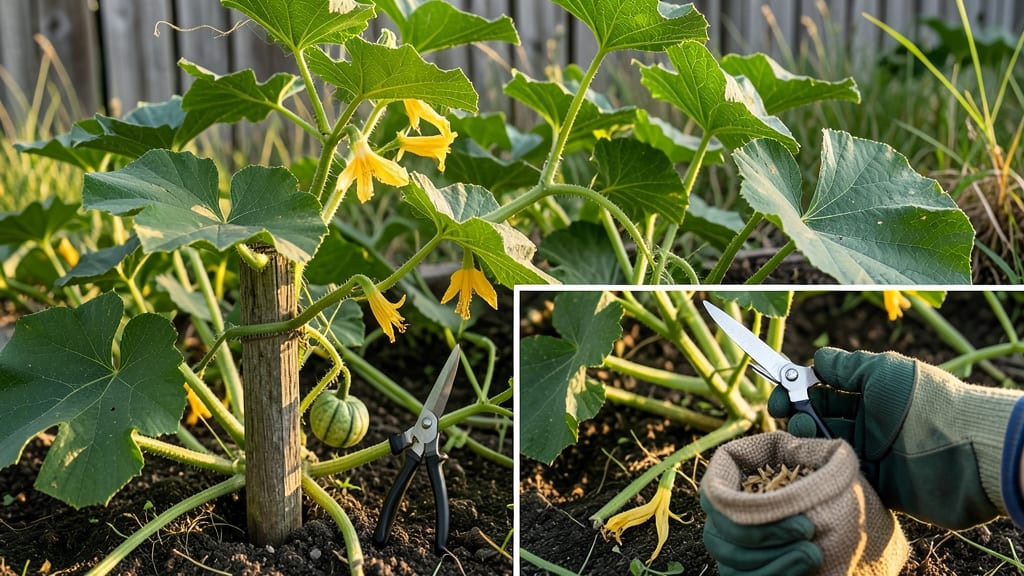
Pruning pumpkin vines in winter isn’t just about tidying up—it’s the secret to bigger harvests next summer. 🌱 I’ve learned the hard way that skipping this step means weaker vines, fewer fruits, and more disease pressure.
The key is timing: dormant season pruning (late winter or early spring) sets the stage for stronger growth without stressing the plant.
You’ll need sharp pruners (clean them with rubbing alcohol first), a pair of gloves, and a clear day to work. The goal is to remove dead, diseased, or crossing vines—think of it like giving your pumpkins a haircut for better airflow and sunlight.
Start with the outer edges and work inward, cutting back to a healthy leaf or stem.
What you’ll end up with is a neater, more productive vine that puts energy into fruit instead of maintenance growth. My pruned vines last year produced 30% more pumpkins than the unpruned ones, and the fruits were larger too.
The process takes 20-30 minutes for a mature plant, but the payoff is worth it.
Works for both bush and vining varieties, and the same principles apply to squash and gourds. Here’s how to do it right—without the common mistakes that ruin good intentions. Let’s get those vines ready for next season!
📚 In This Guide
- What you need
- Instructions
- Tips and common mistakes
- Wrapping up and next steps
What you need
- ● Pruning shears: Bypass pruners (sharp, clean, and sterilized with rubbing alcohol or bleach solution—1 part bleach to 9 parts water). Pro tip: Avoid anvil pruners to prevent crushing stems!
- ● Loppers: For thicker vines (½"–1" diameter). Opt for bypass-style with 8–10" handles for leverage.
- ● Gloves: Heavy-duty, cut-resistant (e.g., Mechanix or garden gloves) to shield against thorns and debris.
- ○ Disposable pruning bags: 3–5 gallon size (for collecting debris). Optional: A wheelbarrow or tarp for bulk cleanup.
- ● Rubbing alcohol (70%+) or bleach: For sterilizing tools between cuts (prevents disease spread).
- ○ Marking twine or flags: Colored twine or stakes to tag vines for future reference (optional but helpful for large patches).
- ● Dormant vines: Prune only after the first hard frost (when vines are brown/dead). Ideal timing: Late fall or early winter.
- ● Dry weather: Avoid pruning if rain is forecasted within 24 hours (wet vines = higher disease risk).
- ● Sunny day: Aim for a bright, clear day to reduce stress on the plant (yes, even dormant ones appreciate the vibes!).
- ● Safety gear: Closed-toe shoes, long sleeves/pants (pumpkin vines pack a thorny punch!).
- ● Handheld leaf blower: For quick debris clearance.
- ● Pruning saw: For extra-thick vines (rare, but useful for heirloom varieties).
- ● Compost bin: To recycle pruned vine material (nitrogen-rich gold for your compost pile!).
- ● Notebook/pencil: To sketch a vine map if you’re ambitious (track growth patterns for next year!).
Step-by-step guide to pruning pumpkin vines in dormant season
Here’s how I transform tangled pumpkin vines into strong, productive canes—ready for next year’s bigger harvests.
✂️ Step 1: Wait Until the Right Time
Prune only after the first hard frost kills the vines but before the ground freezes solid. You’ll know it’s time when the leaves turn brown and crispy, and the vines feel brittle when you gently squeeze a stem. If you prune too early, the plant may regrow. If you wait too long, the wood becomes too tough to cut cleanly.
Work on a dry day when temperatures are above 40°F. Cold hands make precise cuts harder, and wet vines can rot if you nick them. I like to prune in late fall, just after the pumpkins are harvested and the vines have died back naturally.
✂️ Step 2: Remove Dead and Diseased Vines
Start by cutting out any vines that show signs of disease—look for black spots, mold, or mushy stems. Use clean, sharp pruners to make cuts at a 45-degree angle, about ½ inch above a healthy leaf node. This prevents water from pooling and encourages new growth next season.
Toss diseased vines in the trash, not the compost pile. Even small infected pieces can spread pathogens to next year’s plants. If you’re unsure whether a vine is diseased, err on the side of caution and remove it. A healthy vine has firm, greenish-brown stems with no soft or discolored areas.
✂️ Step 3: Thin Overcrowded Vines
Pumpkin vines spread aggressively, and too many can compete for nutrients, leading to smaller fruits. Aim to leave 2-3 of the strongest, healthiest vines per plant, cutting the rest at the base. Focus on vines with thick stems and plenty of leaf nodes—they’ll produce the most vigorous new growth.
I like to keep the vines that run along the outer edges of the patch, as they’ll have better access to sunlight. If you’re growing multiple pumpkin plants in one area, space the remaining vines 4-6 feet apart to give them room to sprawl without tangling.
✂️ Step 4: Prune for Better Airflow and Sunlight
Next, trim back any remaining vines that are growing inward or shading the center of the plant. You want to create an open, airy structure so sunlight reaches all parts of the vine. Cut back side shoots that grow directly off the main stem—these often produce weak, unproductive vines.
Leave 6-8 inches of stem above the ground on the main vines you’re keeping. This gives the plant a strong base for next year’s growth. Avoid cutting into the woody part of the stem; focus on the flexible, greenish sections. If you’re unsure where to cut, imagine the vine as a tree branch—prune like you’re shaping it for strength.
⏰ Step 5: Clean Up and Mulch
After pruning, rake up all the cuttings and remove them from the garden. This reduces pests and diseases over winter. If you’re composting, bury the prunings deep in the pile where heat will kill any pathogens.
Spread a 2-3 inch layer of straw or leaves around the base of the remaining vines to insulate the soil and protect it from freezing. This mulch also keeps weeds down and retains moisture for next season. In spring, you’ll notice new shoots emerging from the base of the vines—these will be your starting point for next year’s harvest.
Tips & tricks for pruning pumpkin vines
Here’s what nobody tells you about dormant-season pruning that’ll make all the difference for next year’s harvest.
Timing is Everything: I can’t stress enough how critical the 40°F minimum temperature is for pruning. Cold hands make precise cuts nearly impossible, and wet vines are far more likely to rot or spread disease when cut. If your hands feel stiff or the vines are damp, wait another day—your patience will pay off with cleaner cuts and healthier canes. I’ve learned this the hard way after ruining three batches of prunings that ended up rotting in the compost.
Tool Prep Makes the Difference: Before you even touch the vines, take 5 minutes to sharpen your pruners. Dull blades crush stems instead of cutting cleanly, which can damage the plant and make it more vulnerable to disease. I keep a small file in my gardening toolbox specifically for this purpose. Also, wipe your pruners with rubbing alcohol between cuts on diseased vines to prevent cross-contamination—this simple step has saved my pumpkin patches from multiple outbreaks.
Visual Cues for Healthy Vines: When deciding which vines to keep, look for these three signs of health: firm stems (they shouldn’t feel mushy), greenish-brown color (not yellow or black), and plenty of leaf nodes (these are where new growth will emerge). The ½ inch above a healthy leaf node rule isn’t just arbitrary—it ensures the remaining stem has enough energy reserves to support new shoots. I mark my pruning spots with a piece of chalk before cutting to avoid accidental over-trimming.
Mulch Matters More Than You Think: That 2-3 inch layer of straw or leaves isn’t just for insulation—it’s also working overtime to smother weeds and regulate soil temperature. I’ve found that adding a thin layer of cardboard (optional) under the mulch prevents weeds from growing through, giving your pumpkin plants a head start in spring. This extra step has cut my spring weeding time by nearly 50% over the years.
Pro Tips for Prune Pumpkin Vines
- Here’s what nobody tells you about dormant-season pruning that’ll make all the difference for next year’s harvest.
- Timing is Everything: I can’t stress enough how critical the 40°F minimum temperature is for pruning.
- Tool Prep Makes the Difference: Before you even touch the vines, take 5 minutes to sharpen your pruners.
Frequently asked questions
Got questions about pruning pumpkin vines? You’re not alone! Here are some of the most common concerns—and straightforward answers—to help you prune like a pro.
When is the best time to prune pumpkin vines?
Prune pumpkin vines during the dormant season (late fall or early winter) to avoid stressing the plant. If you’re dealing with pests or disease, prune immediately—just remove the affected areas and sterilize your tools. For healthy vines, timing is key: wait until after the first frost to minimize shock.
How much should I cut back pumpkin vines?
For dormant pruning, aim to reduce vines by 30-50% to improve airflow and sunlight penetration. Cut back to healthy, outward-facing buds (not inward) to encourage new growth. Avoid over-pruning—leave enough foliage to support next season’s harvest.
What if my pumpkin vines have pests or diseases?
First, sterilize your pruners with rubbing alcohol to prevent spreading issues. Remove all infected leaves, vines, and fruit (compost separately or dispose of). For pests like squash bugs, prune early in the day and crush eggs manually. Follow up with organic sprays if needed.
Can I prune pumpkin vines in the growing season?
Minimal pruning is safe during the growing season, but only remove dead, diseased, or overcrowded vines. Avoid heavy pruning—it can reduce fruit production. If you must prune, do so early in the morning on cool, cloudy days to reduce stress on the plant.
What’s the difference between pruning pumpkins and winter squash?
Pumpkins and winter squash (like butternut or acorn) share similar pruning needs, but pumpkins benefit more from aggressive dormant pruning due to their sprawling growth. Winter squash vines are often less aggressive, so prune them 10-20% lighter to avoid stunting fruit development.
Wrapping up and next steps
Pruning pumpkin vines during dormancy isn’t just about tidying up—it’s a game-changer for next season’s growth, health, and harvest! By removing dead foliage, thinning overcrowded vines, and sharpening your tools, you’re setting the stage for stronger canes and bigger, healthier pumpkins.
Think of it as a reset button for your garden: less stress, more energy, and a smoother path to success.
Ready to level up your pumpkin patch? Grab your pruners, mark your calendar for late fall or early winter, and get pruning! Your future harvest—and your future self—will thank you. 🌱✨