
Pruning
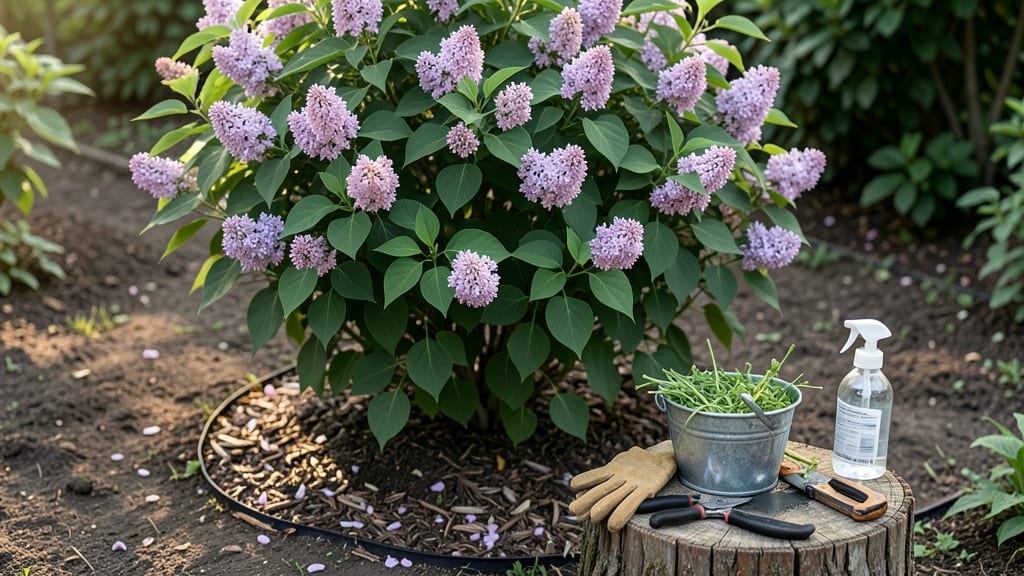
Pruning Miss Kim lilacs in late winter transforms them into neat, fragrant powerhouses—and I’ve learned the hard way what not to do. 🌸 This compact shrub blooms on old wood, so timing and technique matter more than you’d think.
One wrong cut, and you’ll sacrifice next year’s flowers for a messy shape.
The secret is working when the plant is dormant (after flowering but before buds swell) and using sharp pruners to make clean cuts just above outward-facing buds.
Most gardeners over-prune, but Miss Kim lilacs handle light shaping better than their larger cousins—think 10-20% of the oldest canes removed annually to keep air circulating and blooms abundant.
After pruning, you’ll notice new growth in 2-3 weeks, with flowers arriving earlier and more fragrant than ever. The shrub stays compact (3-5 feet tall), making it perfect for small spaces, and the scent becomes so intense neighbors will ask what you’re spraying.
Just avoid heavy shearing—this isn’t a hedge.
For best results, pair pruning with a light layer of mulch to protect roots and water deeply afterward. The first year after pruning, you might see fewer blooms, but by year two, your lilac will reward you with double the fragrance and fuller form.
Trust the process—it’s worth the wait.
📚 In This Guide
- What you need
- Instructions
- Tips and common mistakes
- Wrapping up and next steps
What you need
- ● Bypass pruning shears – Sharp, clean, and sterilized (1 pair, 5–8" blade length). ✨ Pro tip: Use alcohol wipes or a 10% bleach solution to sterilize between cuts!
- ● Lopping shears or pruning saw – For thicker canes (1–2, depending on bush size). Look for 8–12" blades for larger branches.
- ● Gloves – Heavy-duty, cut-resistant (1 pair) to protect from thorns and sap.
- ○ Disposable pruning bags or bucket – For collecting trimmings (1–2, 5+ gallon capacity). Optional: Line with trash bags for easy disposal.
- ● Rag or paper towels – For wiping tools and hands (small pack).
- ● Garden twine or zip ties – To secure pruned areas if needed (small roll).
- ○ Pruning sealant (optional but helpful) – Latex-based (small bottle) to coat large cuts and prevent disease.
- ● Hand pruners with ratcheting mechanism – For stubborn cuts (1 pair).
- ● Lilac-specific fertilizer – Balanced 10-10-10 or rose/lilac blend (1 bag) to replenish nutrients post-prune.
- ● Garden hose with nozzle – To clean tools and rinse sap off hands.
- ● Notebook & pen – To sketch your lilac’s shape before/after pruning.
- ○ Mulch (optional) – Organic, 2–3 inches (shredded bark or compost) to protect roots.
Step-by-Step guide to pruning Miss Kim lilac in dormant season
Here’s how to revitalize your Miss Kim lilac for a lighter, more fragrant display next spring.
✂️ Step 1: Choose the Right Time and Tools
Prune your lilac only after it’s fully dormant, typically late winter to early spring (just before buds swell). This timing ensures you don’t accidentally cut off next year’s blooms. I use clean, sharp pruning shears—dull blades tear stems and invite disease. Disinfect them with rubbing alcohol before starting to prevent spreading any hidden pathogens from last year’s cuts.
Miss Kim lilacs bloom on old wood, so avoid pruning too early. Wait until after the last hard frost but before new growth appears. You’ll know it’s time when the plant looks completely bare, like it’s taking a winter nap.
✂️ Step 2: Identify and Remove Dead or Weak Canes
Scan your lilac for dead, broken, or crossing branches—these are your first targets. Dead canes feel hollow when tapped or have no green beneath the bark. Weak canes are thin, brittle, or growing inward. I like to remove these first because they drain energy from the plant and can block airflow, leading to fungal issues.
Cut these canes all the way back to the ground using a clean, angled cut just outside the branch collar (the swollen area where the branch meets the trunk). This prevents water from pooling and rotting the wound. If you’re unsure whether a cane is dead, scratch the bark—green underneath means it’s alive and should stay.
✂️ Step 3: Thin Out Overcrowded Canes for Airflow
Miss Kim lilacs thrive when they have good airflow, so your next step is thinning. Aim to leave no more than 6-8 of the strongest, most vigorous canes—this encourages larger, more fragrant blooms. Look for canes that are thick, upright, and healthy; these are your keepers. Remove any that are too thin, leaning, or rubbing against others.
Make your cuts at the base of the plant, just above an outward-facing bud. This ensures new growth emerges in the right direction. If you’re unsure which buds face outward, imagine the branch growing away from the center of the plant. You’ll see a slight bump or ridge where the bud sits—cut just above it.
✂️ Step 4: Lighten the Center for Better Blooms
Now it’s time to open up the center of the lilac. Focus on the oldest canes (the thickest ones) and cut them back by one-third to one-half of their length. This removes dense growth from the center, allowing sunlight and air to reach the inner branches. You’ll notice the plant’s shape becomes more upright and balanced as you work.
Don’t worry if it looks a little bare—this is normal! The goal is to reduce shade inside the shrub, which boosts flower production. After pruning, the lilac will send out new growth from the base and along the remaining canes, filling in beautifully by next spring.
⏰ Step 5: Clean Up and Monitor Growth
Once you’ve finished pruning, remove all clippings from the area to prevent pests or diseases from hiding in the debris. I like to shred larger branches for mulch or compost, but small trimmings go straight into the trash. Water the base of the plant deeply to help it recover from the stress of pruning.
Over the next few weeks, watch for new growth—this is your reward for a job well done. If you see any yellowing leaves or wilting, it could mean over-pruning or stress. In that case, hold off on further cuts and focus on keeping the soil moist and the plant healthy. By late spring, you’ll be rewarded with lush, fragrant blooms that last for weeks.
Tips & tricks for pruning Miss Kim lilac
Here's what I learned after years of pruning these beauties—these tricks make all the difference for healthier blooms.
Timing is Everything: The dormant season window is narrow, so don't wait until buds swell—you'll cut off next year's flowers. I check my local frost dates and mark my calendar for late February to early March in most climates. If you're unsure, do the "finger test": gently press a bud—if it's still firm and doesn't show green, it's safe to prune. The plant's winter nap is your cue!
Tool Prep Matters: I can't stress this enough—your pruning shears need to be sharper than a chef's knife. Dull blades crush stems instead of cutting cleanly, which tears the plant and invites disease. Before you start, wipe down your tools with rubbing alcohol and make a few test cuts on a spare branch to check sharpness. A bypass pruner works best for lilacs—avoid anvil-style shears that crush stems.
Visual Cues for Perfect Cuts: When thinning canes in Step 3, look for the outward-facing bud—it'll have a tiny bump or ridge. Cut just above this bud at a 45-degree angle, about 1/4 inch above it. This creates a natural water-shedding surface that prevents rot. For the center-lightening cuts in Step 4, imagine drawing a vertical line through the thickest canes—these are your targets for one-third to one-half reductions.
Post-Prune Recovery: After finishing, give your lilac a deep watering (about 1 gallon per foot of plant height) to help it recover. I also apply a 2-inch layer of mulch around the base, keeping it 3 inches away from the trunk. This mimics natural conditions and prevents soil-borne diseases from splashing onto fresh cuts. Watch for new growth in 3-4 weeks—that's your sign everything's on track!
Pro Tips for Prune Miss Kim Lilac
- Here's what I learned after years of pruning these beauties—these tricks make all the difference for healthier blooms.
- Timing is Everything: The dormant season window is narrow, so don't wait until buds swell—you'll cut off next year's flowers.
- Tool Prep Matters: I can't stress this enough—your pruning shears need to be sharper than a chef's knife.
Frequently asked questions
about pruning Miss Kim lilacs—because even lilac lovers need a little clarity! Here are the answers to the most common questions to help you prune like a pro.When is the best time to prune Miss Kim lilacs?
Prune Miss Kim lilacs right after they bloom in late spring or early summer. This timing ensures you don’t cut off next year’s flower buds, which form on old wood. Avoid pruning in fall or winter, as this can stimulate new growth that won’t survive cold snaps.
How much can I cut back my Miss Kim lilac?
For Miss Kim, aim to remove about one-third of the oldest canes each year. This keeps the plant healthy and encourages new growth. Never cut more than 30% of the plant at once—aggressive pruning can stress the shrub and reduce flowering.
Will pruning reduce the fragrance of Miss Kim lilacs?
Not at all! Pruning actually boosts fragrance by promoting healthier, more vigorous growth. Removing old, woody canes allows energy to focus on new stems, which produce more abundant and fragrant blooms the following season.
What if I missed the ideal pruning window?
Don’t panic! If you prune Miss Kim lilacs outside the ideal window (e.g., late summer or early fall), focus on light shaping rather than heavy cuts. Avoid pruning in late fall or winter, as this can harm the plant’s dormancy. Just trim back any dead or diseased branches immediately.
Can I prune Miss Kim lilacs the same way as other lilac varieties?
While Miss Kim lilacs are more forgiving than traditional lilacs, they still prefer dormant-season pruning. Unlike older varieties that bloom on old wood, Miss Kim can handle light pruning after flowering. However, for maximum blooms and fragrance, stick to the post-bloom pruning rule.
Wrapping up and next steps
Pruning your Miss Kim Lilac during dormancy isn’t just about shaping—it’s your secret weapon for lighter, healthier canes and a fragrance explosion next spring! 🌸 By mastering the right timing, tools, and techniques, you’ll transform potential stress into a blooming masterpiece.
Now that you’re armed with the dormant-season blueprint, there’s no better time to roll up your sleeves and give your lilac the TLC it deserves.
Ready to take action? Mark your calendar for late winter or early spring—just before new growth appears—and grab your pruners. Your fragrant reward is closer than you think! 🌿