
Pruning
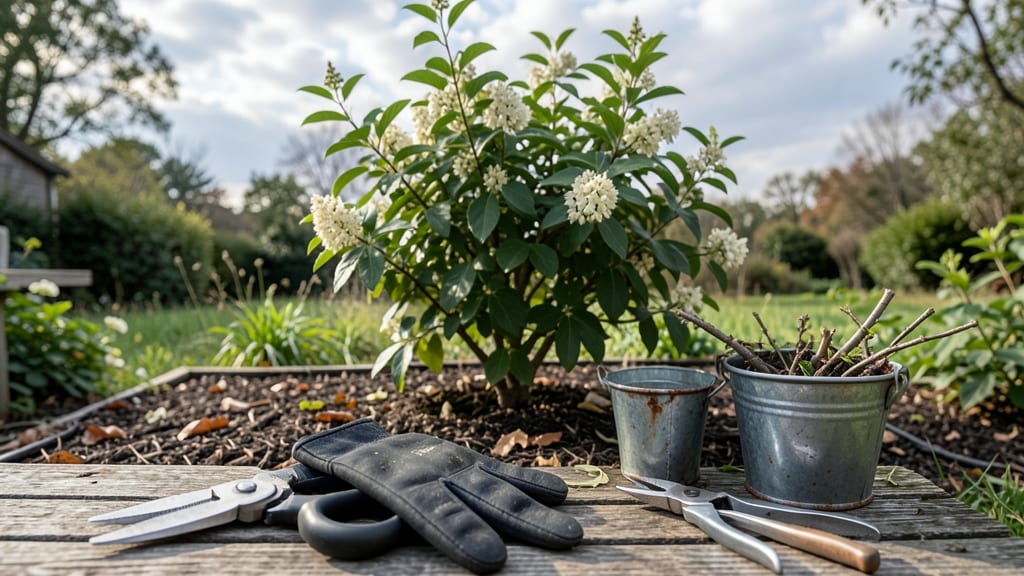
Pruning Korean spice viburnum in late winter unlocks its fragrant spring blooms—the secret to a lush, fragrant canopy every year. 🌸 I’ve pruned mine for five seasons, and the difference between a shrub that explodes with flowers and one that barely blooms comes down to timing, technique, and a few key cuts.
The right approach transforms a leggy mess into a showstopping display of white blossoms and spicy-sweet fragrance that fills the air for weeks.
You’ll need just three tools: sharp bypass pruners for clean cuts, loppers for thicker stems, and gloves to protect your hands from thorns. The magic happens in dormant season—right after the last frost but before buds swell—when the plant’s energy is focused on new growth.
Cut back one-third of the oldest stems to the ground each year, and thin out any crossing branches to improve airflow. This keeps the center open and encourages vibrant flowering on new wood.
After pruning, your viburnum will reward you with bold new shoots by early spring, followed by clusters of fragrant white flowers that attract pollinators. The key is to never cut into old wood—those branches won’t rebloom.
Instead, focus on outward-facing branches to create a full, balanced shape. A light layer of mulch afterward helps retain moisture and protects roots as the weather warms.
Common mistakes? Over-pruning (which stunts growth) or waiting until summer (when you risk removing next year’s blooms). If you’re unsure, take a photo of your shrub before cutting—you’ll thank yourself later.
With this method, my viburnum now blooms so heavily the scent drifts through my entire yard, and the berries that follow feed birds all winter. Ready to give it a try?
📚 In This Guide
- What you need
- Instructions
- Tips and common mistakes
- Wrapping up and next steps
What you need
- ● Bypass pruning shears – Sharp, clean blades (2-4" cutting capacity) for small branches (¼"–¾" thick). Pro tip: 💡 Disinfect with rubbing alcohol between cuts to prevent disease!
- ● Loppers – For medium branches (¾"–2" thick). Opt for ratcheting or bypass styles for precision.
- ● Pruning saw – Heavy-duty, curved-tooth saw for thick branches (2"+). Example: Felco or Fiskars.
- ○ Extension pole saw (optional) – For high branches (6'+). Safety first! 🌡️ Use a sturdy ladder if needed.
- ● Gloves – Cut-resistant (e.g., Mechanix or gardening gloves) to protect hands from thorns.
- ● Safety glasses – Essential when sawing or handling heavy branches.
- ● Heavy-duty trash bags – For debris (5–10 gallon size). Pro tip: ✨ Compost small, healthy clippings!
- ○ Disinfectant spray (optional) – 70% isopropyl alcohol or bleach solution (1 part bleach:9 parts water) for tools.
- ● First-aid kit – Bandages and antiseptic for minor cuts.
- ● Dormant season timing – Prune before bud break (late winter/early spring, zones 6–9). Check your last frost date!
- ● Weather check – Choose a dry, calm day (no rain forecasted for 24 hours).
- ● Safety gear – Long sleeves/pants to avoid scratches from thorns.
- ○ Marking tools (optional) – Chalk or flagging tape to tag branches for removal.
Step-by-Step instructions for pruning Korean spice viburnum
Revive your fragrant shrub with this straightforward dormant-season method—your plant will thank you.
✂️ Step 1: Time Your Prune for Late Winter
Wait until late winter when the plant is fully dormant but before new growth appears. This is usually February to early March in most climates. Korean spice viburnum blooms on old wood, so pruning too early risks cutting off next year’s fragrant flowers. Look for bare branches with no buds—this is your cue to begin.
If you missed the dormant window, don’t panic. You can still prune after flowering, but expect fewer blooms next season. I always mark my calendar with the last frost date as a reminder—pruning 2-4 weeks before buds swell is ideal.
✂️ Step 2: Remove Dead, Diseased, or Crossing Branches
Start by cutting out any dead, broken, or diseased branches at the base. These are easy to spot—they’re brown, brittle, or lack leaves. Next, remove branches that cross or rub against others, creating wounds that invite pests. Use clean, sharp pruners to make 45-degree cuts just above a healthy bud or branch collar.
Don’t worry about being too aggressive here. Korean spice viburnum is tough and responds well to pruning. If a branch is thinner than a pencil, it’s likely too small to keep. I like to step back every few cuts to visualize the shape—I’m aiming for an open, airy canopy that lets sunlight reach the center.
✂️ Step 3: Thin Out Overcrowded Areas
Focus on thinning out the interior to improve airflow and sunlight penetration. Remove 1/3 of the oldest branches at ground level to encourage younger, more vigorous growth. Older branches produce fewer flowers and weaker foliage. Look for thick, woody stems—these are the ones to prioritize removing.
If your shrub is too tall or leggy, you can also cut back some of the tallest branches by 1/3 of their length. Make cuts just above an outward-facing bud to encourage bushier growth. Avoid cutting into sealed-off buds—they won’t sprout new growth.
✂️ Step 4: Shape the Canopy for Balance
Step back and assess the overall shape. Korean spice viburnum naturally grows in a rounded, multi-stemmed form, so aim to maintain that silhouette. Trim back any branches that spoil the symmetry or grow inward. Use your pruners to shorten overlong branches by cutting just above a bud that faces outward.
Here’s the thing—I avoid heavy shearing. Instead of hacking off large sections, I make small, strategic cuts to refine the shape. If a branch is growing in an awkward direction, I’ll trim it back to a side bud to redirect its growth. The goal is to encourage a natural, balanced form without sacrificing next year’s blooms.
⏰ Step 5: Clean Up and Monitor Recovery
After pruning, remove all debris from the base of the plant to prevent disease. Dispose of cuttings in the trash—not the compost—since diseased branches can spread pathogens. Water the shrub deeply to help it recover, especially if the winter was particularly dry.
Watch for new growth in early spring—this is your sign that the pruning was successful. If you see yellowing leaves or wilting, it might mean you pruned too aggressively. Korean spice viburnum is forgiving, but it’s best to err on the side of caution. Over the next few weeks, you’ll notice fresh, vibrant foliage and a more open, inviting canopy.
Tips & tricks for pruning Korean spice viburnum
Here's what nobody tells you about keeping your fragrant shrub thriving—these little details make all the difference.
Timing is Everything: I can't stress enough how critical those 2-4 weeks before buds swell really are. This window ensures you're not cutting off next year's fragrant blooms while the plant is still dormant enough to handle the stress. If you're unsure about bud swelling, do the "finger test"—press gently on branches. If they feel firm and show no signs of softening, you're still in the safe zone. The late winter timing also prevents fungal issues that can arise from pruning too early when moisture levels are higher.
Pruning Technique: When making those 45-degree cuts in Step 2, think of them like writing with a pencil—you want to angle slightly away from the branch collar. This creates a natural shield that protects the wound from water pooling. I've ruined more pruning jobs than I'd like to admit by making straight cuts that leave little stubs. Those stubs don't heal properly and become entry points for disease. Also, always cut just above a healthy bud that's facing outward—this is where new growth will emerge strongest.
Visual Cues for Success: After removing 1/3 of the oldest branches in Step 3, step back and imagine sunlight filtering through your shrub. That's your open canopy goal. You should be able to see light reaching the center branches. If you're still seeing dense clusters, keep thinning until you can see through to the other side. For those leggy branches that need cutting back by 1/3 of their length, look for the point where the branch naturally narrows—this is your visual cue for where to make the cut.
Recovery Watch: That deep watering in Step 5 isn't just about hydration—it's about signaling to the plant that it's time to wake up. I've noticed the most successful recoveries happen when I water right after pruning, even if the ground seems moist. The shock of pruning makes the plant thirsty, and giving it that immediate drink helps it bounce back faster. Watch for those first tender green leaves in early spring—they're your reward for doing it right.
Pro Tips for Prune Korean Spice Viburnum
- Here's what nobody tells you about keeping your fragrant shrub thriving—these little details make all the difference.
- Timing is Everything: I can't stress enough how critical those 2-4 weeks before buds swell really are.
- Pruning Technique: When making those 45-degree cuts in Step 2, think of them like writing with a pencil—you want to angle slightly away from the branch collar.
Frequently asked questions
about pruning Korean Spice Viburnum—here’s what you need to know before getting started!When is the best time to prune Korean Spice Viburnum?
The ideal window is late winter to early spring (just before buds swell), when the plant is dormant. This timing promotes healthy growth and minimizes stress. Avoid pruning in fall or summer—it can stimulate tender new growth that’s vulnerable to frost or pests. Pro tip: If you miss dormant season, a light prune in early spring is still better than nothing!
How much can I prune off without harming the plant?
Korean Spice Viburnum is tough—you can safely remove up to 25-30% of the canopy in one season. Focus on:
- Dead, diseased, or crossing branches
- Overcrowded stems to improve airflow
- Leggy growth to encourage bushier shape
What if my Korean Spice Viburnum isn’t blooming well after pruning?
If flowers are sparse, check these common culprits:
- Pruned too late (after buds formed)
- Over-pruned (cut back old wood where flowers form)
- Poor sunlight (needs full sun to partial shade)
Can I prune Korean Spice Viburnum in winter if it’s snow-covered?
Yes! Dormant pruning in winter (even with snow) is fine—just clear branches first. However, avoid pruning during freezing temps (below 20°F/-7°C), as sap flow slows and cuts heal poorly. Wait for a warmer day (40°F+/4°C+) to prune. Bonus: Pruning in winter reduces pests hiding in debris!
Are there alternatives if I don’t want to prune Korean Spice Viburnum?
If pruning feels overwhelming, try these low-maintenance swaps for fragrant, low-fuss shrubs:
- Dwarf Fothergilla – Similar spicy-sweet scent, no pruning needed
- Abelia – Blooms summer to fall, tolerates neglect
- Weigela – Fast-growing, prune lightly to shape
Wrapping up and next steps
Pruning your Korean Spice Viburnum during its dormant season isn’t just about shaping—it’s about unlocking its full potential for stunning fragrance and lush growth. By following the right techniques, you’ll encourage a vibrant canopy, stronger branches, and those coveted fragrant blooms. 🌿✨
Now that you’re armed with the knowledge, grab those pruners and get ready to transform your shrub into a fragrant masterpiece. Start small, observe progress, and soon you’ll be rewarded with a thriving, aromatic beauty!