
Pruning
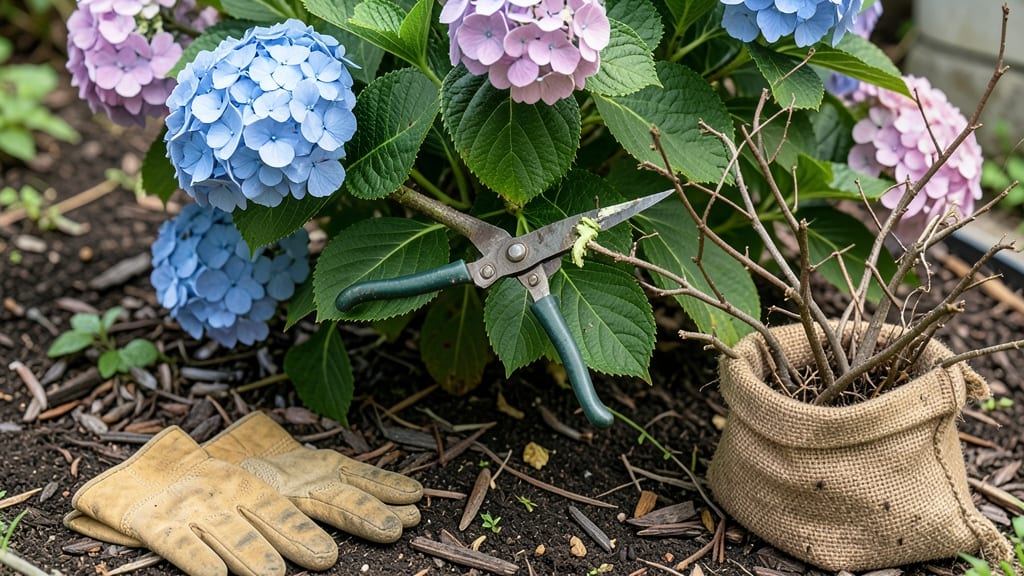
Pruning a plant isn’t just about hacking off dead branches—it’s the secret weapon for stronger growth and more blooms. ✂️ I’ve turned my overgrown shrubs into lush, productive plants by mastering a few simple cuts, and you can too.
The right technique boosts airflow, encourages flowering, and keeps plants looking their best all season long.
You only need three basic tools: sharp pruning shears for small branches, loppers for thicker stems, and a saw for anything bigger than a pencil’s width. Timing matters too—spring and early summer are ideal for most plants, while dormant-season pruning works for trees and shrubs.
Start with a clean workspace and sterilize your tools to avoid spreading disease.
By the end, your plants will have a balanced shape, fewer pests, and more energy for blooms or fruit. The key is patience: focus on gradual cuts rather than drastic reductions. Even my black thumb can’t mess this up once you see how the growth responds.
Works for everything from roses to fruit trees, and the principles scale to houseplants too. Let’s get those shears ready—your garden’s about to transform.
📚 In This Guide
- What you need
- Instructions
- Tips and common mistakes
- Wrapping up and next steps
What you need
- ● Pruning shears: Bypass pruners (for clean cuts on small branches, 1 pair with sharp, stainless-steel blades). Opt for ergonomic handles if pruning for long periods.
- ● Loppers: Bypass or anvil-style (for thicker branches, 1 pair with a 12–16-inch cutting range). Choose ratchet-style for extra leverage.
- ● Pruning saw: Curved-tooth or folding saw (for branches 1+ inch thick, 1 unit with a 7–10-inch blade). Non-serrated teeth prevent tearing.
- ● Gloves: Garden gloves (thick, cut-resistant material like nitrile-coated or leather to protect hands from thorns/spines).
- ● Disinfectant: Rubbing alcohol (70%+) or household bleach (1 part bleach : 9 parts water) (small spray bottle) to sterilize tools between cuts and prevent disease spread.
- ● Trash bag or bucket: (1–2 units) for collecting pruned debris. A wet/dry vacuum can also work for fine clippings.
- ● Extension pole: (3–6 ft) with an attached pruner for high branches—saves time and effort!
- ● Ladder: (stable, non-slip) rated for your plant’s height (e.g., 24–32 ft for large trees). Always use with a spotter.
- ● Sealing wax: (pruning sealant) to coat large cuts and reduce sap oozing (e.g., Tanglefoot Pruning Seal).
- ● Sharpener: (file or honing stone) to maintain tool sharpness—dull blades crush stems instead of cutting cleanly.
- ● Plant food: (balanced fertilizer) like 10-10-10 to nourish the plant post-pruning (apply 2–4 weeks after trimming).
- ● Know your plant: Research its pruning season (e.g., dormant season for deciduous trees, after flowering for shrubs). Avoid pruning during active growth unless correcting damage.
- ● Weather check: Prune on a dry, calm day—wet tools slip, and wind can spread diseases via clippings.
- ● Safety first: Wear closed-toe shoes and avoid loose clothing. If pruning near power lines, call your utility company before starting!
Instructions: prune a plant like a pro
Here’s how to shape your plants for stronger growth—no guesswork, just strategic cuts.
✂️ Step 1: Identify the Right Time and Tools
Prune most plants during their dormant season (late winter or early spring) or right after flowering, when new growth is about to begin. For evergreens, prune in late spring or early summer to avoid winter dieback. Grab sharp, clean pruners—dull blades crush stems and invite disease. I always disinfect my tools with rubbing alcohol before and after to prevent spreading pathogens.
Watch for overcrowded branches or dead/diseased wood—these are your first targets. You’ll know a branch is dead if it’s brittle, lacks leaves, or peels like bark paper. Live branches bend slightly and have green underneath the bark when scraped.
✂️ Step 2: Remove Dead or Damaged Growth First
Start by cutting out dead, diseased, or crossing branches at the branch collar—the swollen area where the branch meets the trunk. Never leave stubs; cut just outside the collar to promote clean healing. For diseased branches, bag and discard them immediately to stop spores from spreading.
If a branch is too large for your pruners, use a hand saw instead. Sawing creates a smoother cut that heals better than tearing. Work slowly—rushing leads to jagged edges that invite rot.
✂️ Step 3: Thin the Canopy for Airflow and Light
Step back and look for overly dense areas where sunlight can’t penetrate. Remove 1/3 of the oldest growth to encourage new, vigorous shoots. Focus on suckers (shoots growing from the base or trunk) and water sprouts (fast-growing vertical shoots)—these drain energy from your plant.
Cut back to an outward-facing bud or leaf node to direct growth where you want it. You’ll see the plant’s natural shape emerge as you work. For flowering plants, prune right after blooming to avoid cutting off next year’s flowers.
✂️ Step 4: Shape for Balance and Structure
Now’s the time to refine the silhouette. For shrubs, aim for a natural, open shape—never shear into a perfect ball unless it’s a formal hedge. Use your pruners to shorten overlong branches by 1/3 to 1/2 of their length, cutting just above a leaf node.
For trees, remove suckers and competing leaders (competing vertical stems) to strengthen the main trunk. If a branch is too large to remove entirely, thin it out by cutting smaller branches inside the canopy to improve airflow.
💧 Step 5: Clean Up and Monitor Recovery
After pruning, remove all debris from the ground and disinfect your tools again. Water the plant deeply to help it recover—this is especially critical in hot or dry climates. You’ll notice new growth within 2-4 weeks, signaling the plant is healing well.
Keep an eye out for yellowing leaves, wilting, or unusual growth—these could signal over-pruning or stress. If you see too many new shoots, it’s a sign the plant is compensating for lost energy. Adjust next year’s cuts accordingly.
Tips & tricks for pruning like a pro
These simple tricks will help you avoid common mistakes and get the best results every time.
Timing is Everything: Late winter or early spring is ideal for most plants because it's when they're just waking up from dormancy. This timing lets you remove dead growth while stimulating new growth. For evergreens, late spring or early summer is better—this avoids winter dieback. I've learned the hard way that pruning at the wrong time can stress plants, especially in hot climates.
Tool Prep Makes All the Difference: Always disinfect your pruners with rubbing alcohol before and after use—this prevents spreading disease between plants. I also recommend using sharp tools because dull blades crush stems instead of making clean cuts. For larger branches, a hand saw creates smoother cuts that heal better than tearing. Never skip this step—it's the foundation of healthy pruning.
Visual Cues for Perfect Cuts: When cutting branches, look for the branch collar—the swollen area where the branch meets the trunk. This is your target spot for clean cuts that heal properly. For shaping, cut back to outward-facing buds to encourage growth in the direction you want. I think this works because it maintains the plant's natural shape while promoting healthy new growth.
Recovery Check: After pruning, watch for new growth within 2-4 weeks as a sign your plant is healing well. Too many new shoots can indicate over-pruning, so adjust next year's cuts accordingly. Deep watering after pruning is especially critical in hot or dry climates—this helps the plant recover faster and prevents stress.
Pro Tips for Prune A Plant
- These simple tricks will help you avoid common mistakes and get the best results every time.
- Timing is Everything: Late winter or early spring is ideal for most plants because it's when they're just waking up from dormancy.
- Tool Prep Makes All the Difference: Always disinfect your pruners with rubbing alcohol before and after use—this prevents spreading disease between plants.
Frequently asked questions
Got questions about pruning? You’re not alone—every gardener does! Here are some of the most common queries to help you prune like a pro.
When is the best time of year to prune my plants?
The ideal timing depends on the plant type. For spring-flowering shrubs (like lilacs or hydrangeas), prune right after blooming to avoid cutting off next year’s flowers. Summer-bloomers (e.g., roses or bougainvillea) thrive with light pruning after flowering, while evergreens and fruit trees often need pruning in late winter or early spring before new growth starts. Always avoid heavy pruning during extreme heat or cold.
How do I know which branches to cut?
Look for dead, diseased, or crossing branches—these are top priorities! Remove any that rub against each other (they’ll create wounds) or grow inward (blocking airflow). For shaping, cut back 1/3 of the oldest stems to encourage new growth. If your plant is leggy, trim the longest stems just above a leaf node or bud. Pro tip: Use the “third-eye” rule—if you can’t see light through the canopy, it’s time to thin out!
What if I prune at the wrong time or too much?
Over-pruning can stress your plant, leading to fewer flowers, weak growth, or even death in extreme cases. If you’ve gone overboard, don’t panic! Most plants recover with consistent watering, fertilizer, and patience. For woody plants, avoid heavy cuts more than 25-30% of the foliage in one session. If you’ve pruned too late (e.g., summer-flowering plants in winter), you might miss that season’s blooms—but focus on correcting mistakes next year.
Can I use scissors or shears instead of pruning shears?
For small jobs (like trimming herbs or delicate stems), sharp scissors or hand pruners work fine! However, for branches thicker than ½ inch, invest in bypass pruners (for clean cuts) or loppers (for thicker stems). Avoid dull tools—they crush stems, inviting disease. If you’re pruning large trees, never use scissors; use a pruning saw instead. Safety first!
How do I prune a plant that’s never been trimmed before?
Start with a light “haircut”—remove only the dead, damaged, or overly crowded branches. For young plants, focus on shaping the structure by cutting back the longest stems to encourage bushier growth. If your plant is wildly overgrown, prune in stages over 2-3 years to avoid shock. Pro tip: Take before-and-after photos to track progress and stay consistent!
Does pruning hurt my plant?
When done correctly, pruning doesn’t hurt—it’s like giving your plant a spa day! It removes stress from weak or diseased branches, improves airflow (reducing pests), and redirects energy to healthier growth. However, poor cuts (e.g., too close to the trunk or jagged edges) can cause wounds. Always sterilize tools with rubbing alcohol and make cuts at a 45-degree angle just above a bud or node.
Wrapping up and next steps
Pruning isn’t just about trimming—it’s a lifeline for your plants, boosting health, shape, and even fruitfulness! 🌿 Whether you’re a seasoned gardener or just starting, the key is strategic cuts at the right time with the proper tools.
Now that you’re armed with knowledge, grab those shears and give your green friends the care they deserve.
Ready to take it further? Experiment with different techniques—like thinning or heading back—and track how your plants respond. Happy pruning! 🌱