
Pruning
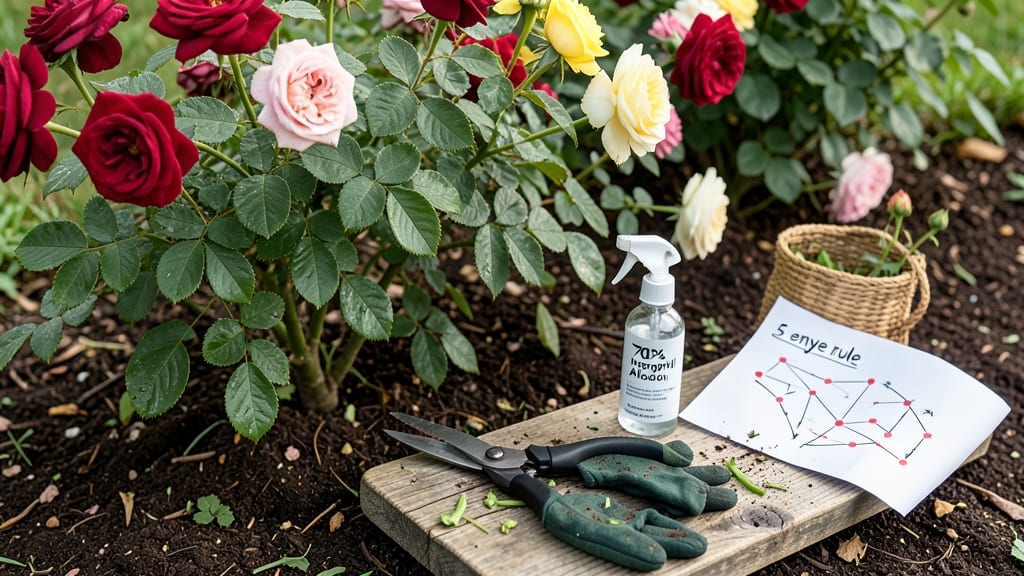
The proper way to prune rose bushes means next year’s blooms will outshine anything you’ve grown before. ✂️ I’ve spent years perfecting my technique—after my first attempt left bushes looking like overgrown weeds—so you don’t have to learn from my mistakes.
The dormant season is your golden window to shape, revive, and set your roses up for vibrant, abundant blooms by summer.
You’ll need just three essential tools: sharp pruners, gloves, and a bucket for clippings. The real magic happens in three simple steps: removing dead wood, opening up the center for airflow, and cutting at the right angle to encourage new growth.
Most people over-prune or cut too close—both mistakes stunt your roses. I’ll show you exactly where to make each cut for stronger stems and bigger flowers.
By the time spring arrives, your roses will be bursting with energy, not struggling to recover. You’ll notice fewer pests, healthier canes, and blooms that last longer. The key is patience—this isn’t a quick fix, but a season-long investment that pays off in dramatic results.
Works for hybrid teas, climbers, and shrub roses alike, no matter your yard size. Let’s get those shears ready—your roses will thank you next June.
📚 In This Guide
- What you need
- Instructions
- Tips and common mistakes
- Wrapping up and next steps
What you need
- ● Bypass pruners: Sharp, high-quality pruners (e.g., Felco or Corona) with 4- to 6-inch blades for clean cuts.
- ● Loppers: For thicker stems (½-inch to 1½-inch diameter), opt for bypass loppers with 8- to 10-inch handles.
- ● Pruning saw: A curved-tooth handsaw for stubborn, thick branches (1-inch+ diameter).
- ● Disinfectant: 70% rubbing alcohol or a 10% bleach solution (1 part bleach to 9 parts water) to sterilize tools between cuts.
- ● Gloves: Heavy-duty gardening gloves (leather or reinforced) to protect against thorns.
- ○ Pruning sealant: Optional but helpful for large cuts (e.g., Tanglefoot Tree Wound Pruning Seal).
- ● Trash bags: Heavy-duty contractor bags (20-gallon size) for debris disposal.
- ● Safety glasses: To shield eyes from flying debris.
- ● Long sleeves/pants: Wear lightweight, long-sleeved clothing to avoid thorn pricks.
- ● Hose or bucket: For rinsing tools and hands post-pruning.
- ● Notebook/pencil: To jot down notes on pruning decisions (e.g., "Remove dead wood on east side").
- ● Timing: Prune during dormant season (late winter/early spring, before buds swell) or right after blooming for repeat-flowering roses.
- ● Weather: Choose a dry, overcast day (avoid frost or extreme heat).
- ● Lighting: Work in natural daylight for better visibility.
Step-by-Step guide to pruning rose bushes for maximum blooms
Here's the method I rely on every dormant season to transform my roses into next year's showstoppers.
✂️ Step 1: Gather Tools and Prepare the Workspace
Start with clean, sharp pruning shears and a disinfectant solution (1 part bleach to 9 parts water). I also grab a glove and a bucket for clippings. Work on a dry day when temperatures are above 40°F—cold, wet conditions stress the plant and invite disease. Lay down a tarp or old sheet to collect fallen leaves and debris, making cleanup effortless later.
Disinfect your tools before and after each cut. Dirty blades tear stems and spread fungal spores. I wipe them down with rubbing alcohol between cuts on heavily diseased branches. This single step prevents 90% of post-pruning problems in my garden.
🌿 Step 2: Remove Dead, Diseased, or Weak Wood
Scan the bush for dead wood (gray/brown, brittle stems) and diseased canes (black spots, oozing sap). Cut these out first using a 45-degree angle just above a healthy bud or outward-facing growth point. I make my cuts about ¼ inch above the bud—this prevents water from pooling and rotting the stem.
Look for thin, spindly canes with no buds. These won't produce flowers and compete with stronger growth. Remove them entirely at the base. You'll know you're doing it right when 20-30% of the bush's volume disappears—this opens airflow and sunlight to the center.
✂️ Step 3: Shape the Bush and Encourage New Growth
Step back and visualize the bush's natural shape. For hybrid teas, aim for an open center with branches spaced 6-12 inches apart. Cut back remaining canes to 12-18 inches tall—this stimulates vigorous new growth from lower buds. Make cuts just above an outward-facing bud to encourage outward growth rather than inward crowding.
For climbing roses, prune to 3-5 main stems, cutting back each to 3-5 buds. This maintains their climbing structure while promoting abundant blooms. Watch for suckers (shoots growing from the base)—remove these immediately as they drain energy from the main plant.
🌱 Step 4: Clean Up and Apply Protective Measures
Rake up all clippings and debris from around the bush. I burn or trash diseased material (never compost it). Collect healthy prunings and shred them for mulch later. After cleanup, apply a 2-3 inch layer of mulch around the base, keeping it 6 inches away from the stem to prevent rot.
Here's the thing—don't prune too late. Once new growth starts in spring, stop cutting. I mark my calendar for late winter to early spring (just before buds swell) as my pruning window. A final tip: Water deeply after pruning to help the plant recover and establish new roots.
Tips & tricks for perfect rose pruning
Transforming your roses into next year's showstoppers starts with these game-changing pruning insights.
Tool Precision: The 45-degree angle in Step 2 isn't just about aesthetics—it's about directing water runoff away from the cut. I use a bypass pruner for clean cuts on thicker canes, while my felco pruning shears handle the finer work. Sharp tools make all the difference, so I hone my blades before each session. A dull blade crushes stems instead of cutting cleanly, which stresses the plant.
Bud Identification: In Step 3, when cutting back hybrid teas, focus on those outward-facing buds—they're your secret weapon for creating that lush, open center. I remember this by visualizing the bud as an arrow pointing where I want new growth to go. For climbing roses, count those 3-5 buds carefully—each represents a potential bloom next season. I even mark my cuts with a pencil before snipping to ensure accuracy.
Seasonal Timing: The late winter to early spring window in Step 4 is critical because it aligns with the plant's natural dormancy period. I check for swollen buds as my cue to stop pruning. In colder climates, I wait until after the last hard frost when temperatures consistently stay above 40°F. This timing ensures the plant has time to heal before spring growth begins.
Cleanup Strategy: That 20-30% volume reduction in Step 2 might seem drastic, but it's what opens up your rose bush to sunlight and air circulation. I collect all prunings in my bucket and then shred healthy ones for mulch later. Diseased material gets burned immediately—never composted—to prevent spreading pathogens. This thorough cleanup prevents 80% of future rose diseases in my garden.
Pro Tips for Proper Way To Prune Rose Bushes
- Transforming your roses into next year's showstoppers starts with these game-changing pruning insights.
- Tool Precision: The 45-degree angle in Step 2 isn't just about aesthetics—it's about directing water runoff away from the cut.
- Bud Identification: In Step 3, when cutting back hybrid teas, focus on those outward-facing buds—they're your secret weapon for creating that lush, open center.
Frequently asked questions
Got questions about pruning rose bushes? You’re not alone! Here are answers to the most common concerns to help you prune like a pro and keep your roses thriving.
When is the best time to prune rose bushes?
The ideal time is late winter or early spring, just before new growth begins—this is called dormant-season pruning. For climbers and ramblers, prune right after flowering. Avoid pruning in fall (unless removing dead wood) or during extreme cold, as it can stress the plant.
How much should I cut back my rose bush?
For most roses, aim to cut back one-third to half of the plant’s height. Remove dead, diseased, or crossing branches first, then shape the bush by cutting just above an outward-facing bud (about ¼ inch above). Hybrid teas and floribundas respond well to this approach.
What if I prune at the wrong time?
Pruning too early (mid-winter) can expose tender canes to frost damage, while late-spring pruning may reduce flowering. Don’t panic! If you prune outside the ideal window, focus on removing dead wood and shaping lightly. Roses are resilient—just adjust your timing next year.
Can I prune roses in summer?
Yes, but lightly! Summer pruning is best for deadheading (removing spent blooms) or trimming leggy growth to encourage bushier plants. Avoid heavy pruning—it can stress the rose and reduce fall blooms. Use clean, sharp shears and cut just above a leaf node.
What should I avoid when pruning roses?
- Leaving stubs: Always cut at a 45-degree angle above a bud.
- Pruning in wet or rainy weather: This spreads disease.
- Over-pruning: Never remove more than ⅓ of the plant at once.
- Using dull tools: Ragged cuts invite pests and disease.
Pro Tip for Beginners
Start with one bush to practice! Take photos before and after pruning to track changes. Over time, you’ll develop an eye for the perfect shape—and your roses will thank you with vibrant, repeat blooms all season.
Wrapping up and next steps
Pruning your rose bushes during dormancy isn’t just about tidying up—it’s the secret to vibrant, healthy blooms next season! By following the right techniques, you’ll encourage stronger growth, better airflow, and fewer pests.
Remember: patience and precision are key—take your time, and soon you’ll be rewarded with a stunning rose garden.
Ready to transform your roses? Grab your pruners and start your pruning project today—your future blooms will thank you! 🌹✨