
Pruning
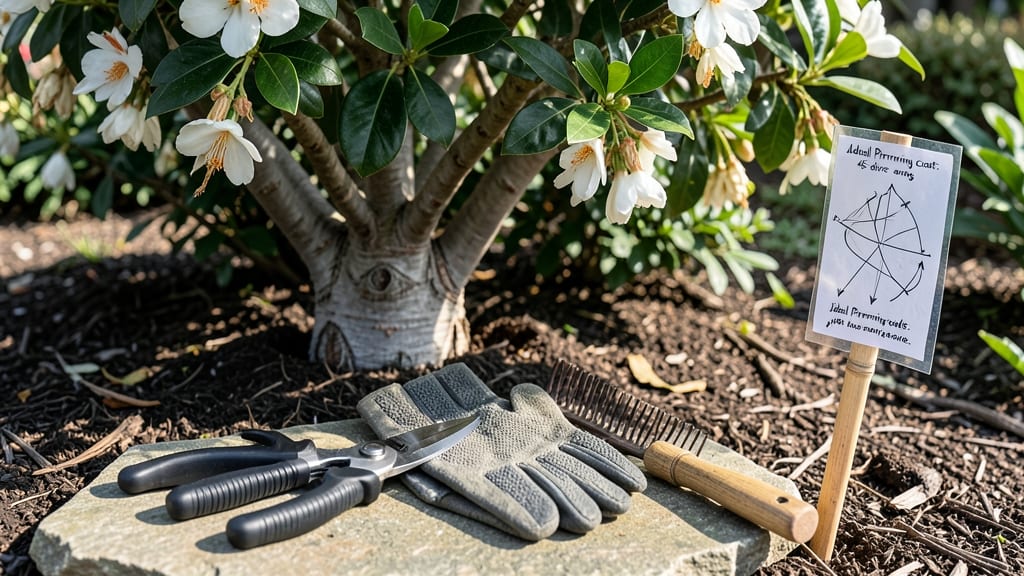
Pruning Philadelphus mock orange in late winter unlocks its full potential—thicker blooms, stronger growth, and that signature fragrance you’ll crave all summer. 🌿 I’ve pruned mine for years, and the difference between a neglected shrub and a lush, fragrant canopy comes down to timing, technique, and a few key cuts.
The best part? You don’t need fancy tools or horticultural degrees—just sharp pruners and about 30 minutes of focused work.
Start by gathering your tools: bypass pruners (for clean cuts), gloves (mock orange thorns are no joke), and a small bucket for trimmings. Look for dead or crossing branches—these go first. Then, focus on shaping: cut just above outward-facing buds to encourage fuller growth.
For overgrown shrubs, rejuvenation pruning (cutting back 1/3 of old wood) works wonders, but do it gradually over 2-3 years to avoid shocking the plant.
After pruning, give your mock orange a deep watering and a light dose of balanced fertilizer (10-10-10) to support new growth. Watch for signs of stress—yellowing leaves or excessive wilting—and adjust care accordingly.
By late spring, you’ll see fresh green shoots pushing through, and by summer, your shrub will reward you with clusters of fragrant white blooms that smell like summer in a bottle.
Pro tip: Avoid pruning after early summer—you’ll cut off next year’s flower buds. And never prune into old, woody stems; mock orange flowers on new wood, so focus on last year’s growth.
With this method, your Philadelphus will thrive for decades, filling your garden with scent and beauty every season.
📚 In This Guide
- What you need
- Instructions
- Tips and common mistakes
- Wrapping up and next steps
What you need
- ● Bypass pruners: Sharp, clean pruners (1 pair) with a 4- to 6-inch blade for precise cuts.
- ● Loppers: For thicker branches (1 pair), with a 6- to 8-inch cutting capacity.
- ● Pruning saw: A curved-tooth saw (1) for stubborn, woody stems.
- ● Disinfectant: 70% isopropyl alcohol or a 10% bleach solution (1 small bottle or spray) to sterilize tools between cuts.
- ● Garden gloves: Heavy-duty, cut-resistant gloves (1 pair) to protect hands from thorns.
- ● Rake or broom: (1) for clearing debris afterward.
- ● Trash bags: (2-3) for disposing of pruned branches.
- ● Hand pruners: For delicate trimming of small stems (1 pair).
- ○ Pruning sealant: (1 small tube) to coat large cuts (optional for mock orange).
- ● Ladder or stool: If your shrub is over 6 feet tall.
- ● Marking twine or flags: (1 roll) to tag branches for removal if needed.
Step-by-step guide to pruning Philadelphus mock orange
Reviving your mock orange shrub starts here—clean cuts now mean bold blooms by summer.
✂️ Step 1: Time Your Pruning for Late Winter
Prune your philadelphus after the last frost date but before new growth begins—typically late February to early March in most climates. This timing ensures you cut back while the plant is still dormant but about to wake up. You’ll know it’s the right moment when the buds haven’t yet swollen along the stems.
If you miss this window, don’t panic—just wait until early spring when you see fresh shoots emerging. The key is to prune before the plant puts energy into leaves, so all its resources go toward next season’s flowers. Avoid pruning in fall; you’ll risk stimulating tender new growth that won’t survive winter.
🌿 Step 2: Remove Dead, Diseased, or Weak Wood
Start by inspecting the entire shrub for dead branches—these will be brittle, brown, and snap easily when bent. Cut these out first at the base of the plant, making clean cuts at a 45-degree angle just above a healthy bud or lateral branch. This prevents water from pooling on the cut and causing rot.
Next, look for diseased or damaged wood—branches with blackened spots, fungal growth, or oddly colored leaves. Sterilize your pruners between cuts with rubbing alcohol to avoid spreading pathogens. Remove any crossing branches or those growing inward, as these create congestion and weaken the plant’s structure.
✂️ Step 3: Thin Out Overcrowded Branches
Philadelphus blooms best when it has good air circulation, so your goal is to create an open, vase-like shape. Start at the center of the shrub and remove one-third of the oldest wood—these are the branches that flowered last season. Cut them back to the base or to a strong lateral branch.
For the remaining branches, aim to space them evenly around the shrub. You’ll see a natural framework of sturdy stems—keep these and prune back any that are too close together. Thin branches should be cut at a 45-degree angle just above a bud facing outward to encourage future growth in the right direction.
☀️ Step 4: Shape for Optimal Blooming
Mock orange flowers on old wood, meaning this year’s blooms come from last year’s growth. To encourage the most abundant flowers, avoid heavy pruning—never cut back more than one-third of the plant at once. Focus on light shaping to maintain an open, airy form.
Step back and visualize the shrub’s natural shape. Prune to open up the center and create a tiered effect, with shorter branches at the bottom and longer ones at the top. This not only improves airflow but also ensures sunlight reaches all parts of the plant—critical for next season’s blooms.
🪴 Step 5: Clean Up and Monitor Recovery
After pruning, remove all debris from the base of the plant and surrounding area. This prevents pests and diseases from taking hold. Sterilize your pruners again with rubbing alcohol before putting them away.
Water the shrub deeply after pruning to help it recover, but avoid overwatering—philadelphus prefers well-drained soil and can rot if left too soggy. In 4-6 weeks, you should see fresh pink buds forming along last year’s wood, signaling a successful pruning job.
Tips & tricks for perfect Philadelphus mock orange pruning
Real talk: Pruning mock orange shrubs is where most gardeners stumble—so here's how to nail it without sacrificing next season's blooms.
The Timing Secret: That late February to early March window is non-negotiable for best results. I learned this the hard way after pruning too early and watching my shrub put all its energy into leaves instead of flowers. Check for those tight, un-swollen buds—this is your green light to prune. If you're in a warmer climate, wait until you see fresh shoots emerging in early spring rather than guessing dates.
Cutting Technique That Changed Everything: The 45-degree angle isn't just aesthetic—it's about water runoff. When you make clean cuts at this angle just above a bud facing outward, you're directing water away from the cut while positioning the plant for optimal growth. I started marking my pruners with a small tape line at 45 degrees to ensure consistency. And always cut to a lateral branch or bud—this is where new growth will emerge.
Pruning Strategy for Maximum Blooms: Remember that one-third rule? That's not arbitrary—it's about balancing old wood (which produces flowers) with new growth. The oldest wood from last season's blooms should be removed first, but never exceed that one-third threshold. I like to visualize the shrub as a vase—open center, tiered layers—this creates that perfect air circulation while maintaining the plant's natural framework.
Pro Tips for Philadelphus Mock Orange Pruning
- Real talk: Pruning mock orange shrubs is where most gardeners stumble—so here's how to nail it without sacrificing next season's blooms.
- The Timing Secret: That late February to early March window is non-negotiable for best results.
- Cutting Technique That Changed Everything: The 45-degree angle isn't just aesthetic—it's about water runoff.
Frequently asked questions
Got questions about pruning your Philadelphus mock orange? You’re not alone! Here are answers to the most common concerns—so you can keep your fragrant beauty thriving with confidence.
When is the absolute best time to prune Philadelphus?
The golden window is late winter (just before new growth starts) or early spring. This timing ensures you remove dead wood while leaving enough foliage for photosynthesis. Avoid pruning in fall—it can stimulate tender new growth that won’t survive winter. Pro tip: If you missed late winter, a light prune in early summer (after flowering) is better than none!
How much can I cut back? Should I shape it drastically?
For established shrubs, prune back by one-third to open the center and encourage airflow. Avoid heavy cuts—mock orange blooms on old wood, so drastic pruning risks fewer flowers. Think "light edit": Remove only dead, crossing, or overcrowded branches. Young shrubs need minimal pruning (just tidying up).
Will pruning reduce my Philadelphus’s flowers next year?
Not if done right! Prune after flowering (late spring) to avoid cutting next year’s blooms. Late-winter pruning focuses on structure, not flower buds. Key rule: Never prune in fall—it can remove next season’s flower buds entirely. Patience pays off with even more abundant blooms over time!
My mock orange isn’t blooming—did I prune it wrong?
Possible culprits:
- Pruning too late (after June) cuts off flower buds.
- Over-pruning (beyond 1/3) stresses the shrub.
- Poor sunlight (6+ hours/day is ideal).
Can I use the same pruning techniques for other fragrant shrubs?
Not exactly! Mock orange is unique because it blooms on old wood. Shrubs like Deutzia or Weigela (which bloom on new wood) can handle harder pruning in late winter. Always research your plant’s blooming habit first—when in doubt, prune lightly!
What if I completely messed up my pruning?
Don’t panic! Mock orange is tough. If you over-pruned:
- Leave it be for a year—new growth will fill in.
- Water deeply and mulch to reduce stress.
- Next year, just lightly shape to encourage regrowth.
Wrapping up and next steps
Pruning your Philadelphus mock orange in late winter isn’t just about shaping—it’s your secret to a burst of fragrant blooms and a healthier plant all season. By following the right steps—cleaning up dead wood, opening the center, and avoiding over-pruning—you’ll encourage vibrant growth and maximize those iconic citrusy blossoms. 🌸
Now that you’re armed with the know-how, grab those shears and get pruning! Your mock orange will thank you with a summer canopy that’s the envy of the neighborhood. Happy trimming—and enjoy the sweet rewards! 🌿✨