
Pruning
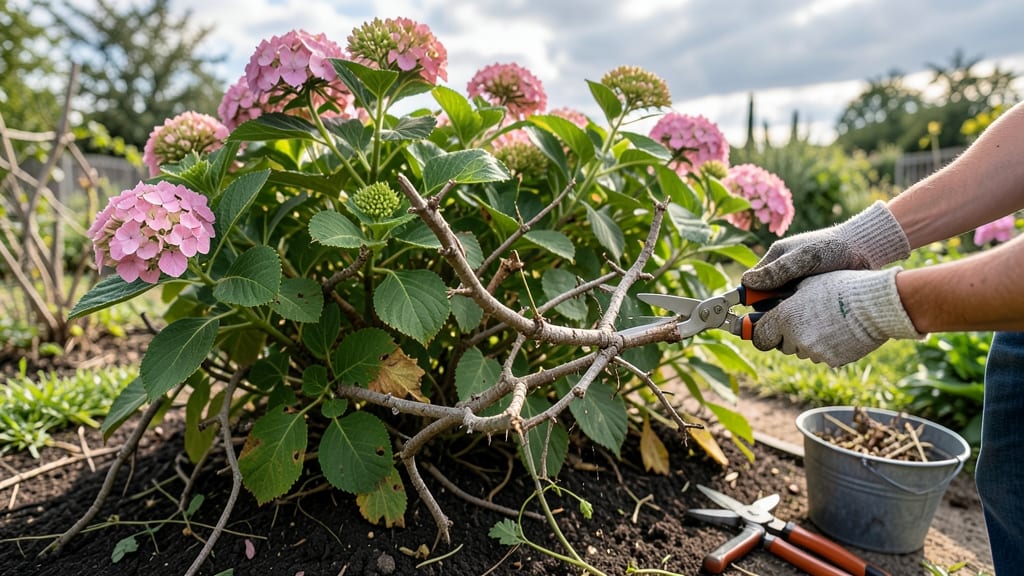
Your overgrown bushes pruning can transform tangled messes into vibrant, productive plants with just three strategic cuts. ✂️ I’ve revived more than a dozen neglected shrubs using this method—some so overgrown they looked like tangled vines, others so dense they blocked sunlight from neighboring plants.
The key isn’t hacking away blindly; it’s understanding which branches to keep, which to remove, and how to encourage fresh growth.
Start with the right tools: sharp pruners (dull blades tear bark), loppers for thicker stems, and gloves to protect from thorns or sap. Work on a dry day when the plant isn’t stressed, and always sterilize your tools with rubbing alcohol to prevent disease spread.
The goal is to open up the center of the bush, allowing air and light to reach all parts—this is where 90% of new blooms will form next season.
You’ll see the difference within 4-6 weeks: new shoots pushing from the base, leaves filling in gaps, and a shape that looks intentional rather than wild. The best part? Proper pruning extends the life of your shrubs by years, turning them from eyesores into garden showstops.
Even boxwoods and lilacs—two of the most commonly butchered shrubs—respond beautifully when pruned correctly.
For long-term success, schedule a light maintenance trim twice a year: once right after flowering (to shape and encourage next year’s blooms) and again in late winter (to remove dead or crossing branches).
Avoid the temptation to prune too aggressively—overgrown bushes can handle a lot, but they won’t bounce back from drastic cuts. Think of it as a haircut: you want to refresh, not shave it all off.
📚 In This Guide
- What you need
- Instructions
- Tips and common mistakes
- Wrapping up and next steps
What you need
- ● Pruning shears (bypass pruners): Sharp, high-quality shears (e.g., Felco or Fiskars) for clean cuts on small stems (½"–1" thick). Quantity: 1 pair.
- ● Loppers: For thicker branches (1"–2" diameter). Opt for bypass-style loppers with comfort grips. Quantity: 1 pair.
- ● Pruning saw: For stubborn, woody stems (2"+ thick). A curved-tooth saw prevents tearing. Quantity: 1.
- ● Gloves: Heavy-duty, cut-resistant gloves (e.g., Mechanix or gardening-specific) to protect from thorns and sharp edges.
- ● Disinfectant (70% isopropyl alcohol or bleach solution): Clean tools between cuts to prevent disease spread. Quantity: Small spray bottle or wipe.
- ● Rake or broom: To clear debris after pruning. Quantity: 1.
- ● Trash bags or compost bin: For clippings. Quantity: 2–3 bags or access to compost.
- ● Extension pole: For high-reaching bushes (e.g., 3–6 ft loppers or pruners).
- ● Hand pruners with ratchet: Reduces hand strain for long sessions.
- ● Pruning sealant: (e.g., tree paint) for large cuts on susceptible plants like fruit trees.
- ● Knee pads: If you’ll be kneeling frequently.
- ● Safety glasses: Protects eyes from debris.
Step-by-Step revival for overgrown bushes
Here's how to restore shape, vigor, and blooming potential to your neglected shrubs.
✂️ Step 1: Assess and Prepare for Strategic Pruning
Start by examining the bush from all sides to identify dead, diseased, or crossing branches. I like to work on a dry, overcast day—this prevents sap bleeding and reduces stress on the plant. Remove any branches that are brown, brittle, or showing signs of disease (like blackened spots or fungal growth). These won't recover and will only drain energy from healthy growth.
Next, look for branches that are rubbing against each other or growing inward. These create wounds that invite pests and diseases. Mark these with a small piece of twine or a spray paint dot—you'll remove them first. The goal here is to open up the center of the bush to improve airflow and sunlight penetration, which prevents future issues.
✂️ Step 2: Cut Back for Structure and Renewal
For most overgrown shrubs, I recommend a rejuvenation cut—this means cutting back one-third to one-half of the oldest wood to stimulate new growth. Start with the largest, thickest branches first, cutting just above a bud that faces outward (this encourages growth away from the center). Use sharp, clean pruners to make cuts at a 45-degree angle, about ¼ inch above the bud.
If your bush is particularly leggy, you can make heading cuts—shortening branches by one-third to one-half of their length. This encourages branching and denser foliage. Watch for collar buds (the swollen areas where branches meet the main stem)—these are ideal places to make cuts. Avoid leaving stubs; they invite rot and disease. For thicker branches over ½ inch in diameter, use loppers or a pruning saw for cleaner cuts.
🌿 Step 3: Shape and Maintain for Long-Term Health
Once you’ve removed the dead, diseased, and overcrowded branches and made your structural cuts, step back and assess the shape. Most shrubs benefit from a natural, rounded form, but some (like hydrangeas or lilacs) have their own unique shapes. Trim any remaining branches that disrupt this form, cutting at the same 45-degree angle just above a bud. Avoid cutting into old wood—new growth will only come from the current season’s growth or last year’s.
After pruning, clean up all debris from the area to prevent fungal spores from lingering. Apply a balanced, slow-release fertilizer (like 10-10-10) around the base of the bush to support new growth. Water deeply to help the plant recover, but avoid overwatering—this can stress the roots and delay healing. In the weeks following, monitor the bush for new shoots emerging from the cut areas. These are your signal that the pruning worked!
Tips & tricks for reviving overgrown bushes
Here's what I learned after years of pruning—these details make all the difference between a bush that recovers and one that struggles.
Tool Prep: Sharpen your pruners before you start—dull blades tear plant tissue instead of making clean cuts. I test mine on a piece of paper: if it doesn't cut cleanly, hone the blades. Also, sterilize your tools with rubbing alcohol between cuts to prevent spreading disease. This is especially important when working with diseased branches in Step 1.
Bud Orientation: When making those critical 45-degree cuts in Step 2, focus on the bud's position. The bud should face outward to encourage growth away from the center. I find it helpful to visualize the bush's final shape first—this guides where each cut should go. For example, if you're aiming for a rounded form, make sure most buds point toward the outer edges.
Seasonal Timing: The best time for this revival process is late winter or early spring, just before new growth begins. This gives your bush the entire growing season to recover. If you must prune in summer, do it immediately after flowering to avoid removing next year's blooms. For evergreens, prune in late spring or early summer when growth is active.
Post-Pruning Care: After you've finished shaping, don't just walk away! I've seen too many pruned bushes fail because people didn't follow through with the aftercare. Apply that 10-10-10 fertilizer within a week of pruning, and water deeply but infrequently—this encourages strong root development. In the weeks after, watch for new shoots emerging from the cut areas; these are your confirmation that the pruning worked.
Pro Tips for Overgrown Bushes Pruning
- Here's what I learned after years of pruning—these details make all the difference between a bush that recovers and one that struggles.
- Tool Prep: Sharpen your pruners before you start—dull blades tear plant tissue instead of making clean cuts.
- Bud Orientation: When making those critical 45-degree cuts in Step 2, focus on the bud's position.
Frequently asked questions
Got questions about tackling those wild overgrown bushes? You’re not alone! Here are some of the most common concerns—and straightforward answers—to help you prune like a pro.
When is the best time to prune overgrown bushes?
The ideal timing depends on your bush type. For spring-flowering varieties (like lilacs or forsythia), prune right after blooming to avoid cutting off next year’s flowers. For summer-blooming bushes (such as hydrangeas or roses), wait until late winter or early spring before new growth starts. Evergreens can be pruned anytime, but avoid heavy cuts in late summer to prevent winter damage.
How do I know if I’m pruning too much or too little?
Over-pruning can stress your bush, while under-pruning leaves it unkempt. Aim to remove no more than 1/3 of the bush’s total growth in one season. Look for thin, leggy branches—these are prime candidates for cutting back. If you’re unsure, snap a photo and compare it to pruning guides for your specific plant type. Thinning out crowded centers improves airflow and reduces disease risk.
What should I do with the pruned branches?
Don’t toss those clippings! Use them to mulch garden beds, compost them (if disease-free), or repurpose as natural barriers in your yard. For large branches, chop them into smaller pieces for quicker decomposition. Pro tip: If your bush is diseased, bag and dispose of infected branches in the trash—not the compost—to prevent spreading spores.
Can I prune overgrown bushes in one season, or should I space it out?
For heavily overgrown bushes, it’s best to prune in stages over 2–3 years. This gives the plant time to recover and reduces shock. Start by removing dead, diseased, or crossing branches, then tackle thicker cuts in the following seasons. Hydrangeas and roses often need gradual pruning—never cut more than 1/3 of the bush at once!
What if my bush isn’t blooming after pruning?
Lack of blooms could mean a few things: pruning at the wrong time (e.g., cutting back spring-flowering bushes too late), over-pruning (removing too many flower buds), or nutrient deficiencies. Double-check your pruning timing, fertilize lightly in early spring, and ensure the bush gets 6+ hours of sunlight daily. If issues persist, test soil pH or consult a local nursery for plant-specific advice.
Still stumped? Drop your bush type in the comments—we’re happy to help!
Wrapping up and next steps
Pruning overgrown bushes doesn’t have to be daunting—it’s your secret weapon for revitalizing growth, boosting blooms, and keeping your garden thriving! 🌿 With the right tools, timing, and technique, you’ll transform tangled canes into healthy, productive plants that reward you with lush foliage and vibrant flowers.
Start small, stay consistent, and watch your garden flourish.
Ready to take the next step? Pick a sunny weekend, grab your pruners, and tackle one bush at a time. Before you know it, your garden will be the envy of the neighborhood—and you’ll be the proud gardener behind it! 🌸