
Pruning
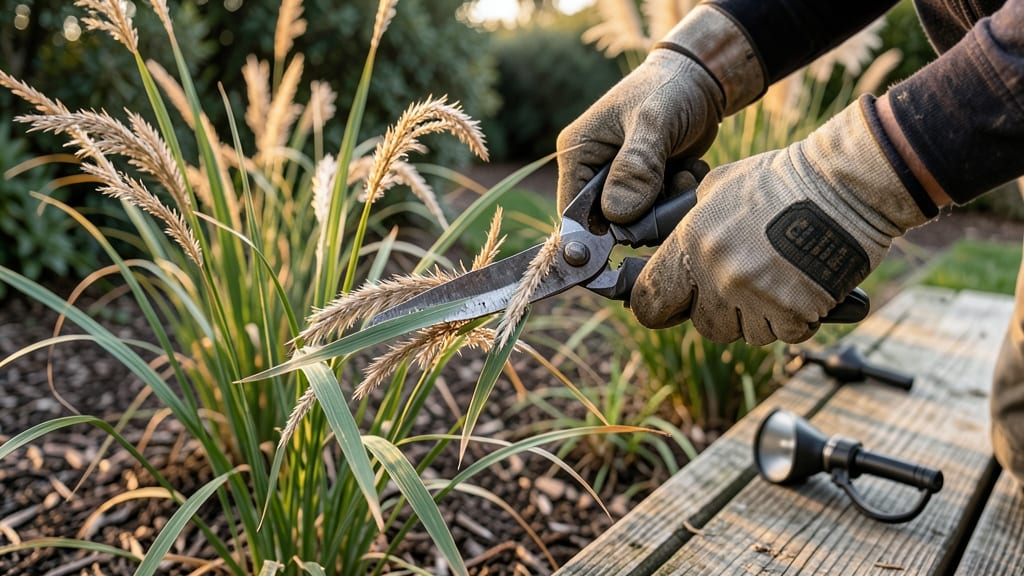
Proper ornamental grasses care pruning isn’t just about tidying up—it’s the secret to keeping them healthy and lush all year long. 🌿 I’ve learned that skipping this step leads to clumpy, weak growth, but when done right, your grasses will stand tall and vibrant through every season.
The key is timing: most grasses need a late winter haircut before new growth starts, while others benefit from mid-season trims to encourage bushiness. The tools you’ll need are simple: sharp pruners, gloves, and maybe a string trimmer for thicker clumps.
Start by removing any dead or damaged foliage first—this improves air circulation and prevents disease. For fountain grasses, cut back one-third of the height, while maiden grasses can be trimmed closer to the ground for a fresh look. The goal is to shape them without sacrificing their natural beauty.
What you’ll end up with is a garden feature that’s fuller, stronger, and more resilient to pests and harsh weather. The right pruning also makes winter cleanup easier, so you’re not left with a messy yard come spring. Plus, well-maintained grasses attract pollinators and add texture to your landscape year-round.
This method works for all varieties—whether you’re dealing with switchgrass, feather reed grass, or even bamboo. The trick is observing your plants and adjusting your approach based on their growth habits. Let’s get those grasses looking their best!
📚 In This Guide
- What you need
- Instructions
- Tips and common mistakes
- Wrapping up and next steps
What you need
- ● Pruning shears or hedge clippers: Sharp, bypass-style blades (avoid anvil types—they crush stems). Choose 5- to 8-inch models for medium grasses or 12-inch for larger varieties.
- ● Heavy-duty pruners or loppers: For thick stalks (e.g., Miscanthus or Pennisetum). Opt for bypass blades with 6- to 8-inch handles for leverage.
- ● Gloves: Garden-grade with cut-resistant palms (e.g., Mechanix or Dr. McGill’s) to protect against sharp edges and thorns.
- ● Safety glasses: A must for flying debris, especially when pruning dry, brittle grasses.
- ● Wheelbarrow or sturdy trash bags: For collecting 30–50 lbs of clippings (depending on plant size). A 30-gallon contractor bag works well for small jobs.
- ○ Disinfectant (optional but recommended): 70% isopropyl alcohol or a 10% bleach solution (1 part bleach to 9 parts water) to sterilize tools between cuts and prevent disease spread.
- ● String trimmer (weed whacker): For very large grasses (e.g., Andropogon) or overgrown areas. Use a 0.104-inch or thicker nylon line for durability.
- ● Knee pads or stool: For comfort during long pruning sessions—especially if your grasses are 3+ feet tall.
- ● Marking flags or spray paint: To flag areas you’ve already pruned (helpful in large gardens or when working with a team).
Step-by-Step guide to pruning ornamental grasses for year-round health
Healthy ornamental grasses start with the right pruning—here’s how to revive them season by season.
⏰ Step 1: Prune in Late Winter or Early Spring for New Growth
Cut back grasses 3-4 inches above the ground when new shoots appear in late winter or early spring. This is your signal that the plant is waking up after dormancy. I always wait until first true growth emerges—usually in February or March, depending on your climate zone.
Use clean, sharp pruners or shears to avoid tearing the leaves. If your grasses are particularly thick, you might need to cut in stages to prevent overburdening the plant. This first cut removes dead foliage and makes room for fresh, vibrant growth. Don’t skip this step—it’s the foundation for a full, lush plant all year.
✂️ Step 2: Thin Out Crowded Clumps Mid-Summer for Airflow
In late June or early July, check for overcrowded clumps where the center looks bare or yellowed. This is your cue to thin out the grass by removing 1/3 of the oldest growth from the center. I like to work in small sections, pulling out dead or dying stalks by hand or cutting them at the base with pruners.
Thinning improves airflow, which prevents fungal diseases and keeps the grass looking tidy. You’ll notice the outer edges of the plant fill in more quickly after this step. Avoid cutting into healthy green growth—only remove what’s clearly dead or damaged. This mid-season prune keeps your grasses looking sharp without sacrificing next year’s growth.
🌿 Step 3: Deadhead and Clean Up in Fall for Winter Prep
Once grasses turn brown and dry in late autumn, it’s time to tidy them up. Cut back the entire plant to 6-12 inches tall, depending on the variety. Some grasses, like fountain grass, can be left slightly taller for winter interest, but most benefit from a shorter cut. I use pruners to make clean cuts just above a node or joint where new growth can emerge.
Remove all debris from the base and surrounding area to prevent pests and diseases from overwintering. This is also a great time to divide any grasses that have outgrown their space. A light raking around the base keeps the area clean and tidy. Don’t worry about leaving some brown seed heads—many grasses add texture to winter landscapes.
☀️ Step 4: Monitor and Maintain Throughout the Year for Optimal Health
Throughout the growing season, keep an eye out for yellowing, browning, or excessive thinning. These are signs your grass may need a little extra care—whether it’s adjusting water, fertilizer, or sunlight. I water deeply once a week during dry spells, ensuring the soil stays moist but not soggy. Fertilize lightly in early spring with a balanced, slow-release fertilizer to encourage strong growth.
If you notice leggy growth or sparse foliage, it might be time to adjust the pruning schedule or check for pests. Ornamental grasses are generally low-maintenance, but a little attention goes a long way in keeping them healthy and vibrant. The key is consistency—stick to this routine, and your grasses will thrive year after year.
Tips & tricks for perfect ornamental grass pruning
Here's what nobody tells you about keeping your ornamental grasses thriving through every season.
Timing is Everything: That 3-4 inch cut in Step 1 isn't just a random measurement—it's about finding the sweet spot between removing old growth and preserving next year's buds. I learned this the hard way after accidentally cutting too low and nearly losing a prized fountain grass. Look for those first slender green shoots poking through the soil; that's your perfect cue. In colder climates, wait until after the last frost date to avoid damaging tender new growth.
The Thinning Technique: When you're removing 1/3 of the oldest growth in Step 2, focus on the very center where the stalks are brown and woody. I like to pull them out by hand first—it's easier to see what's dead versus what's still alive. If you're unsure, make a small cut and peek inside: healthy growth will be green, while dead growth will be hollow and dry. This mid-summer thinning is your chance to give your grasses a breath of fresh air—literally!
Fall Cut Height Matters More Than You Think: The 6-12 inch range in Step 3 isn't arbitrary—it's about balancing winter interest with spring growth. Taller cuts (closer to 12 inches) work beautifully for grasses like fountain grass that add winter texture, while shorter cuts (around 6 inches) help protect more delicate varieties from winter winds. Pro tip: Make your cuts just above a visible node or joint where new shoots can emerge. You'll know you're in the right spot when you see those little buds waiting to pop!
Equipment Upgrade: Skip the basic garden shears and invest in a pair of bypass pruners for clean cuts that won't tear the leaves. I also recommend a small hand rake for clearing debris—it's much easier to see what you're removing when the base is clean. For larger clumps, consider a horticultural saw for those thick, woody stalks that regular pruners can't handle. Sharp tools make all the difference in keeping your grasses looking their best.
Pro Tips for Ornamental Grasses Care Pruning
- Here's what nobody tells you about keeping your ornamental grasses thriving through every season.
- Timing is Everything: That 3-4 inch cut in Step 1 isn't just a random measurement—it's about finding the sweet spot between removing old growth and preserving next year's buds.
- The Thinning Technique: When you're removing 1/3 of the oldest growth in Step 2, focus on the very center where the stalks are brown and woody.
Frequently asked questions
Got questions about keeping your ornamental grasses looking their best? Here are answers to the most common concerns—so you can prune with confidence and enjoy lush, healthy foliage all year!
When is the best time to prune ornamental grasses?
The ideal time to prune most ornamental grasses is late winter or early spring, just before new growth begins. For cold-hardy varieties, wait until after the last frost (around February–March in most zones). If your grass looks messy in fall, you can trim it back then—but avoid heavy pruning in winter, as it may damage emerging buds.
How short can I cut back my ornamental grasses?
Never cut more than 1/3 of the plant’s height—this ensures healthy regrowth. For most grasses, aim to trim to 6–12 inches tall, depending on the variety. Over-pruning can weaken the plant or leave it vulnerable to pests. Pro tip: Use sharp pruners or shears for clean cuts!
What if my ornamental grass looks dead after pruning?
Don’t panic! Many grasses appear dead in winter but regrow in spring. If it’s still brown in early spring, wait a few weeks—new shoots may emerge. If no growth appears by late April, the grass may be struggling due to over-pruning, disease, or poor soil. Check for pests or root rot and adjust care accordingly.
Can I prune ornamental grasses in summer?
Light trimming in summer (to remove dead or damaged foliage) is fine, but avoid heavy pruning during peak heat. This can stress the plant and stunt growth. If you must prune, do it early morning or late evening and water thoroughly afterward. Save major cuts for late winter!
What’s the difference between pruning and dividing ornamental grasses?
Pruning is about removing dead or overgrown foliage to shape the plant, while dividing splits the root ball to rejuvenate crowded grasses. Divide every 3–5 years in early spring. Prune regularly (annually) to maintain health and appearance. Pro tip: Dividing also creates new plants to share with friends!
Wrapping up and next steps
Caring for and pruning your ornamental grasses is easier than you think—and the results are worth every effort! 🌿 With the right timing, tools, and techniques, you’ll enjoy lush, vibrant foliage that thrives year-round. Start small, stay consistent, and soon your garden will be the talk of the neighborhood.
Ready to take your grasses to the next level? Pick a sunny weekend to tackle that first pruning session—your plants (and future self) will thank you!