
Pruning
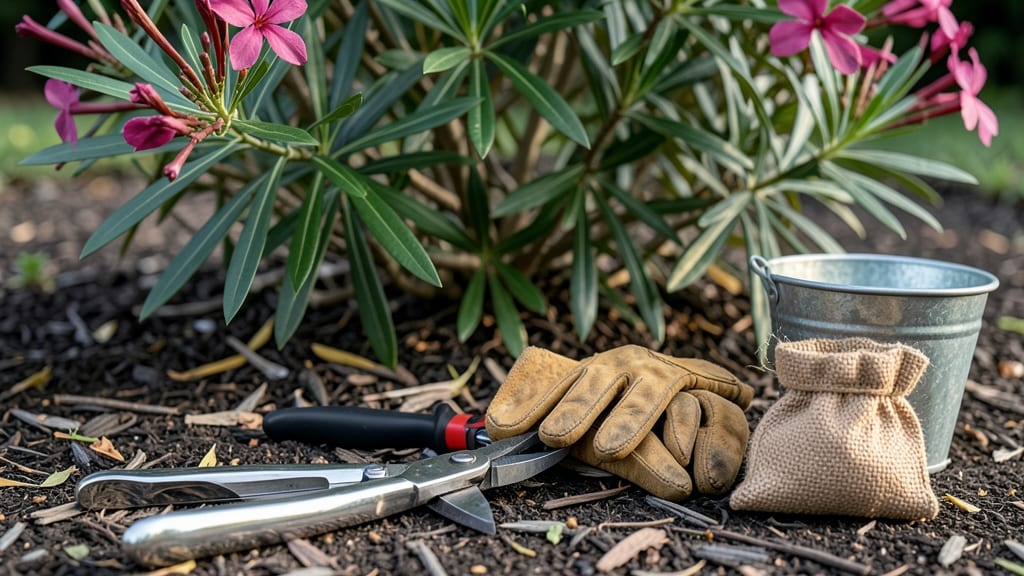
Pruning oleander plants in late winter or early spring transforms leggy, woody branches into lush, blooming shrubs. ✂️ I’ve revived my own oleanders from nearly bare stems to vibrant, flower-filled bushes using just a few simple cuts—and the best part?
You can do it too, even if your plant looks like it’s already past its prime.
The secret lies in timing and technique: prune right before new growth starts, and always cut just above a leaf node or outward-facing bud. You’ll need sharp pruners, gloves (oleander sap can irritate skin), and a clear goal—whether that’s shaping, removing dead wood, or encouraging more blooms.
Most people over-prune, but oleanders are forgiving; they bounce back stronger when you give them the right trim.
By mid-summer, your pruned oleander will be bursting with glossy green leaves and clusters of fragrant pink, white, or red blooms. The key is patience—healthy growth takes about 6-8 weeks after pruning, and the first flush of flowers often appears even earlier.
Just avoid heavy pruning in fall, as it can stunt next year’s blooms.
Safety first: wear gloves and long sleeves when handling oleander—every part of the plant is toxic if ingested. Once you’ve mastered the basics, you’ll notice your oleander thrives with less effort, producing more flowers and denser foliage year after year. Ready to give it a try?
📚 In This Guide
- What you need
- Instructions
- Tips and common mistakes
- Wrapping up and next steps
What you need
- ● Pruning shears (bypass or anvil type): Sharp, clean shears for cutting small to medium branches (4–6 inches long). Pro tip: 💡 Sanitize with rubbing alcohol before and after use to prevent disease spread!
- ● Loppers (long-handled): For thicker branches (½–1.5 inches in diameter). Choose bypass-style for cleaner cuts.
- ● Pruning saw (if needed): For branches thicker than 1.5 inches. A curved blade works best for oleander’s dense wood.
- ● Garden gloves (heavy-duty): Oleander sap can irritate skin—opt for chemical-resistant gloves (nitrile or leather).
- ○ Disposable pruning bags or bucket: To collect clippings (optional but helpful for cleanup).
- ● Rubbing alcohol (70% or higher): For sterilizing tools between cuts.
- ○ Pruning sealant (optional): A wax-based sealant to coat large cuts and prevent sap leakage.
- ● Trash bags or compost bin: For disposing of oleander clippings (note: all parts are toxic—keep away from pets/kids!).
- ● Weather check: Prune on a dry, mild day (avoid extreme heat or rain). Early morning is ideal.
- ● Tool sharpness: Dull tools crush branches—sharpen blades or replace if needed.
- ● First-aid kit: Just in case! Oleander sap can cause skin irritation or allergic reactions.
Step-by-step guide to pruning oleander plants
Reviving your oleander’s shape and health starts with the right cuts—here’s my go-to method.
✂️ Step 1: Time Your Pruning for Maximum Growth
Prune your oleander in early spring, just as new growth begins to push through the buds. This timing lets the plant recover quickly before summer heat sets in. Avoid pruning in fall or winter—dormant branches won’t regenerate well until spring warmth returns.
If you must prune later in the season, do it before mid-summer to allow at least 6-8 weeks of growth before frost. You’ll know it’s the right time when you see fresh green shoots emerging from the tips of branches. Skip pruning during flowering unless deadheading—oleanders bloom on old wood, and cutting back too late can reduce next year’s blooms.
✂️ Step 2: Gather Tools and Sanitize for Healthy Cuts
Use sharp, clean pruning shears or loppers (for thicker branches) to make precise cuts. Dull tools crush stems, inviting disease. Wipe blades with rubbing alcohol before and after pruning to prevent spreading bacteria or fungi between cuts.
Wear gloves—oleander sap can irritate skin. I also keep a small bucket nearby to collect clippings for compost (oleander is non-toxic to plants, but toxic to pets and humans if ingested). Never burn oleander trimmings—the fumes are hazardous.
✂️ Step 3: Remove Dead or Weak Branches First
Start by cutting out any dead, diseased, or crossing branches at their base. Dead wood is easy to spot—it’s brown, brittle, and won’t bend. Diseased branches may have black spots or oozing sap. Remove these first to improve airflow and reduce pests.
Next, look for weak or leggy growth—thin stems that stretch toward the light. These branches won’t support heavy blooms. Cut them back to a strong lateral branch or bud. You’ll notice healthy branches have a thick, green stem and multiple buds along their length.
✂️ Step 4: Shape the Plant with Strategic Cuts
For a fuller oleander, cut back 1/3 of the oldest growth each year. Focus on the outer branches to encourage inward growth. Make cuts just above a leaf node or outward-facing bud—this ensures new growth emerges in the right direction.
Avoid cutting into old wood (wood without leaves or buds)—it won’t regenerate. If you’re pruning a very overgrown oleander, don’t remove more than 1/3 of the plant in one season. You’ll see new shoots emerge within 2-3 weeks if conditions are right.
☀️ Step 5: Post-Pruning Care for Strong Recovery
Water the plant deeply after pruning to help it recover. Oleanders are drought-tolerant but need extra moisture after major cuts. Apply a balanced fertilizer (like 10-10-10) to support new growth. Avoid heavy nitrogen—it encourages leafy growth over flowers.
Monitor the plant for new shoots in 3-4 weeks. If you see yellowing leaves, it’s usually a sign of over-pruning or stress. In that case, reduce watering slightly and wait for the plant to adjust. With proper care, your oleander will bounce back with lush, blooming branches by summer.
Tips & tricks for reviving oleander branches
These simple tricks will help you prune with confidence and give your oleander the best chance to thrive.
Timing is Everything: Early spring is ideal, but if you miss that window, focus on pruning before mid-summer to allow at least 6-8 weeks of growth before frost. Look for those fresh green shoots—this is your cue! I’ve seen oleanders bounce back beautifully when pruned at this stage, but if you prune too late, you risk losing next year’s blooms. Oleanders bloom on old wood, so timing matters more than you might think.
Tool Prep Prevents Problems: Before you make a single cut, sharpen your pruning shears and wipe them down with rubbing alcohol. I can’t stress this enough—dull tools crush stems, making them more susceptible to disease. And always wear gloves; oleander sap can irritate skin. I keep a small bucket nearby to collect clippings for compost, but remember: these trimmings are toxic to pets and humans, so never burn them or add them to your regular compost pile.
Shape with Purpose: When shaping your oleander, cut back 1/3 of the oldest growth each year to encourage new, fuller growth. Focus on the outer branches to create that lush, rounded shape. Here’s a trick I learned: always cut just above a leaf node or outward-facing bud. This ensures new growth emerges in the right direction, giving you that perfect, balanced look. If you’re dealing with a very overgrown oleander, don’t remove more than 1/3 of the plant in one season—patience is key!
Post-Pruning Care Matters: After pruning, water deeply to help your oleander recover. I like to apply a balanced fertilizer like 10-10-10 to support new growth, but avoid heavy nitrogen—it’ll give you leafy growth instead of those beautiful blooms. Monitor for new shoots in 3-4 weeks. If you see yellowing leaves, it’s a sign of over-pruning or stress. Just reduce watering slightly and give your plant time to adjust. With the right care, you’ll see those lush, blooming branches by summer!
Pro Tips for Oleander Plant Pruning
- These simple tricks will help you prune with confidence and give your oleander the best chance to thrive.
- Timing is Everything: Early spring is ideal, but if you miss that window, focus on pruning before mid-summer to allow at least 6-8 weeks of growth before frost.
- Tool Prep Prevents Problems: Before you make a single cut, sharpen your pruning shears and wipe them down with rubbing alcohol.
Frequently asked questions
Got questions about oleander pruning? You’re not alone! Here are answers to the most common concerns—from timing to safety tips—to help you prune like a pro.
When is the best time to prune oleander?
The ideal time is late winter or early spring (before new growth starts) or right after flowering. Avoid heavy pruning in summer—it can stress the plant. For tropical climates, prune after frost risk passes to encourage fresh blooms.
Is oleander pruning dangerous? How do I stay safe?
Yes! All parts of oleander are highly toxic. Wear gloves, long sleeves, and safety goggles. Never burn pruned branches (toxic fumes!)—dispose of them in sealed bags. Wash hands and tools thoroughly afterward. Keep pets/kids away during and after pruning.
How much can I trim back my oleander?
You can cut back up to one-third of the plant’s height in a single session, but avoid over-pruning. For shaping, trim individual branches to maintain a natural form. If your oleander is leggy, focus on removing dead or weak growth first to encourage bushier regrowth.
What if my oleander doesn’t bloom after pruning?
Blooming issues often stem from over-pruning in summer or poor nutrition. Ensure your plant gets full sun (6+ hours/day) and well-draining soil. Fertilize lightly in spring with a balanced, low-nitrogen formula (like 10-10-10) to encourage flowers. Patience helps—new growth may take 4–6 weeks to show.
Can I propagate oleander from pruned cuttings?
Take 4–6 inch cuttings from healthy, non-flowering stems. Dip the cut end in rooting hormone (optional) and plant in moist perlite or sand. Keep humidity high (use a plastic bag) and place in bright, indirect light. Roots typically form in 4–8 weeks—great for expanding your oleander collection!
Wrapping up and next steps
Pruning your oleander plant isn’t just about keeping it looking its best—it’s a vital step to promote healthy growth, prevent disease, and encourage vibrant blooms. By following the right timing, tools, and techniques, you’ll transform those dormant branches into lush, thriving foliage. You’ve got this! 🌿✨
Ready to take action? Grab your pruners and schedule your next pruning session—whether it’s shaping up for spring or giving it a mid-season refresh. Your oleander will thank you with bold new growth and stunning flowers all season long!