
Pruning
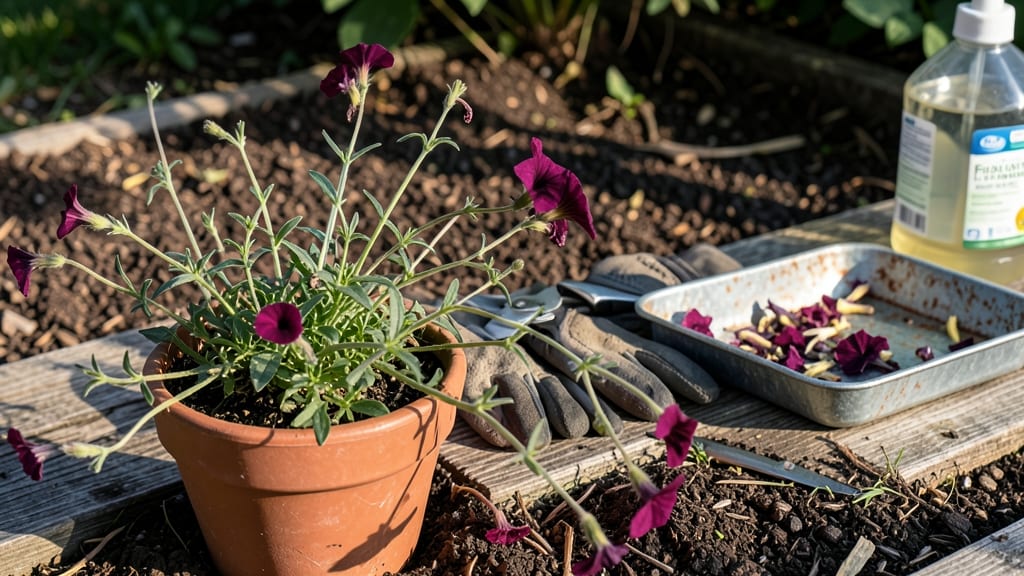
Leggy petunias pruning is a gardener’s heartbreak—tall, bare stems with flowers only at the tips. 🌿 The good news? A dormant season reset through strategic pruning can transform them into lush, bushy plants that bloom from top to bottom. After my first attempt last fall, my petunias went from sad stalks to vibrant cascades by spring, and I’ve been hooked on this technique ever since.
The secret lies in timing and technique. Prune in early morning or after flowering when plants are dormant, using clean, sharp pruners to cut just above leaf nodes. This encourages new growth from the base, not just the tips.
You’ll need sterilized tools, a balanced fertilizer, and patience—results take about 4-6 weeks to show. The payoff? Petunias that fill containers with color instead of flopping stems.
Post-pruning care is what separates good from great. Water deeply but avoid soggy soil, and feed with a low-nitrogen fertilizer to promote blooms, not leaves. Space plants properly to improve airflow, which cuts back on disease.
Within weeks, you’ll see fresh green shoots pushing through, and by summer, your petunias will be the envy of the neighborhood—fuller, healthier, and blooming like crazy.
This method works for both annuals and perennials, whether in pots or garden beds. The key is consistency: prune every 2-3 weeks during the growing season to keep them compact. No more leggy disappointments—just bushy, blooming powerhouses that make your garden shine.
📚 In This Guide
- What you need
- Instructions
- Tips and common mistakes
- Wrapping up and next steps
What you need
- ● Pruning shears – Sharp, clean, and sterilized (bypass or anvil type, 5-7" blade length). Pro tip: 💡 Disinfect with rubbing alcohol between cuts to prevent disease spread!
- ○ Hand pruners – For smaller stems (3-4" blades). Optional: Use felco pruners for precision.
- ● Gloves – Heavy-duty gardening gloves (nitrile-coated for grip and protection).
- ● Garden twine or plant ties – Thin, stretchy twine (¼" width) for securing leggy stems post-pruning.
- ● Compost bin or bag – To collect pruned stems (avoid leaving them on the ground to prevent pests).
- ● Watering can or hose – With a gentle spray nozzle for post-pruning hydration.
- ○ Balanced fertilizer – 10-10-10 or 20-20-20 (½ tsp per gallon of water) to revive growth. Optional: Slow-release granules for convenience.
- ● Disinfectant spray – Hydrogen peroxide (3%) to clean tools between plants.
- ● Plant growth regulator – Like Paclobutrazol (for stubborn legginess).
- ● Garden kneeler/pad – For comfort during extended pruning sessions.
- ● Label markers – If pruning multiple petunia varieties (to avoid mix-ups!).
How to prune leggy petunias for a full, bushy reset
Here's my foolproof method for transforming straggly petunias into lush, blooming bushes—no guesswork, just results.
🌿 Step 1: Time Your Prune for Dormant Season
Petunias need a clean break to reset, so I always prune in early spring before new growth starts—typically 4-6 weeks before your last frost date. This timing lets the plant focus on bushy growth instead of seed production. Look for bare stems and dormant buds along the branches as your cue.
If you missed the dormant window, wait until after the first flush of spring blooms—just avoid cutting back after mid-summer, or you’ll stunt fall flowering. I mark my calendar because petunias respond best to a fresh start before the growing season kicks in.
✂️ Step 2: Cut Back to Healthy Growth Points
Use clean, sharp pruners (never dull shears—they crush stems) and make cuts at a 45-degree angle, about ¼ inch above a leaf node or bud. This angled cut prevents water from pooling and rotting the stem. For severely leggy plants, trim back ⅓ of the height to encourage branching.
I avoid cutting into woody stems—petunias are tender annuals, and over-pruning can stress them. Focus on soft, green growth and new buds rather than old wood. If a stem looks brown or mushy, cut it off entirely—it won’t recover.
☀️ Step 3: Boost Light and Water for Recovery
After pruning, move petunias to a bright spot with at least 6 hours of sunlight—they’ll need extra energy to regrow. Water deeply once a week (or more in hot weather) until you see new leaves emerging in 2-3 weeks. Overwatering now can drown tender regrowth, so check soil moisture by sticking your finger 1 inch deep—water only if it’s dry.
Here’s the thing—petunias often look sad after pruning, but that’s normal. I’ve seen them bounce back with double the blooms within a month if given the right care. Avoid fertilizing right away; wait until new growth appears to prevent burning tender roots.
🌱 Step 4: Pinch New Growth for Bushier Habit
Once your petunias sprout 4-6 inches of new growth, pinch off the top set of leaves to encourage branching. This step is what turns leggy stems into a full, rounded bush. Repeat pinching every 2-3 weeks until the plant reaches your desired size—usually 12-18 inches tall for container petunias.
I pinch in the morning so any damaged stems have time to heal before evening. Watch for new side shoots forming at the pinch points—that’s your reward for patience. Skip this step, and your petunias will stretch again, wasting energy on long, weak stems instead of blooms.
⏰ Step 5: Deadhead and Maintain Through Summer
As flowers fade, snip spent blooms at the base (not just the flower head) to redirect energy into new blooms. Petunias are heavy producers, so deadheading 2-3 times a week keeps them flowering nonstop. Use the same 45-degree cut technique to avoid stem damage.
Here’s a pro tip: If your petunias start looking leggy again mid-season, give them a light trim (just the top 2 inches) and a balanced fertilizer to perk them up. I’ve revived even the most straggly plants this way—just don’t overdo it, or you’ll delay blooming.
Tips & tricks for perfect petunia pruning
These game-changing insights will help you avoid common pitfalls and get the most dramatic results from your pruning efforts.
Timing is Everything: The 4-6 week window before your last frost date is critical—this gives petunias time to establish new roots before summer heat arrives. I've seen plants that missed this window take twice as long to recover. Check your local frost dates and mark your calendar now, especially if you're in a region with unpredictable springs.
The Technique That Changed Everything: When making your 45-degree cuts in Step 2, focus on the angle as much as the placement. The angled cut creates a larger surface area for water absorption, which helps the plant recover faster. I also recommend sterilizing your pruners with rubbing alcohol between cuts to prevent spreading disease—especially important when working with multiple plants.
Make-Ahead Strategy: If you're dealing with severely leggy plants, you can actually do a "two-step prune" for better results. First, trim back ⅓ of the height as directed, then wait 2-3 weeks for new growth to appear. Once you see those 4-6 inches of fresh growth, do your second prune (the pinching step) to encourage branching. This staged approach gives your petunias time to adjust rather than shocking them with one big cut.
Common Mistake Fix: If you notice yellowing leaves after pruning, it's usually a sign of overwatering during recovery. Petunias need less water immediately after pruning—they're not drinking as much while they focus on root regrowth. Let the top inch of soil dry out between waterings during the first 2-3 weeks post-prune, even if it seems counterintuitive after seeing those sad, wilted stems.
Pro Tips for Leggy Petunias Pruning
- These game-changing insights will help you avoid common pitfalls and get the most dramatic results from your pruning efforts.
- Timing is Everything: The 4-6 week window before your last frost date is critical—this gives petunias time to establish new roots before summer heat arrives.
- The Technique That Changed Everything: When making your 45-degree cuts in Step 2, focus on the angle as much as the placement.
Frequently asked questions
Got questions about pruning leggy petunias? You’re not alone—here are the most common concerns and straightforward answers to get your plants thriving again!
When is the best time to prune leggy petunias?
Prune leggy petunias in early spring (before new growth starts) or late summer (after the first major bloom cycle). Avoid pruning during extreme heat or frost—wait for mild weather to minimize stress. For dormant-season reset (as in this guide), prune in late fall or early winter to encourage bushier regrowth next season.
How much should I cut back leggy petunias?
For a dramatic reset, trim back one-third to half of the plant’s height. Focus on removing long, bare stems and overcrowded growth. Never cut into woody stems—this can harm the plant. Use clean, sharp shears for a precise cut just above a leaf node or side branch to encourage new growth.
Will pruning leggy petunias kill them?
Not if done correctly! Petunias are hardy and bounce back well from pruning. The key is timing and technique: avoid heavy pruning in peak summer heat or during flowering. If your petunias look sad after pruning, they’re likely just adjusting—keep them well-watered and in bright, indirect light while they recover.
What if my petunias stay leggy after pruning?
Leggy growth after pruning often means too little light or over-fertilizing with nitrogen. Move your petunias to a sunnier spot (6+ hours of sunlight daily) and switch to a bloom-boosting fertilizer (high in phosphorus). If the issue persists, check for pests (like spider mites) or root-bound roots—repotting may help!
Can I prune petunias for bushier blooms without sacrificing flowers?
Pinch back tips
regularly during the growing season (every 2–3 weeks) to encourage branching. Deadhead spent blooms consistently to redirect energy into new flowers. For leggy plants, a light prune (removing only the longest stems) keeps blooms coming while promoting density. Avoid heavy cuts during peak bloom—save that for dormant-season reset!
Wrapping up and next steps
Pruning leggy petunias during dormancy is your secret weapon for lush, bushier blooms next season! 🌸 By following these steps—cleaning up dead growth, shaping strategically, and giving your plants a fresh start—you’re setting them up for a stunning comeback.
Remember, patience and precision pay off in vibrant, healthy petunias that steal the show.
Ready to transform your garden? Grab your pruners and get started! For extra tips, check out our guide on seasonal petunia care to keep those blooms thriving all year.