
Pruning
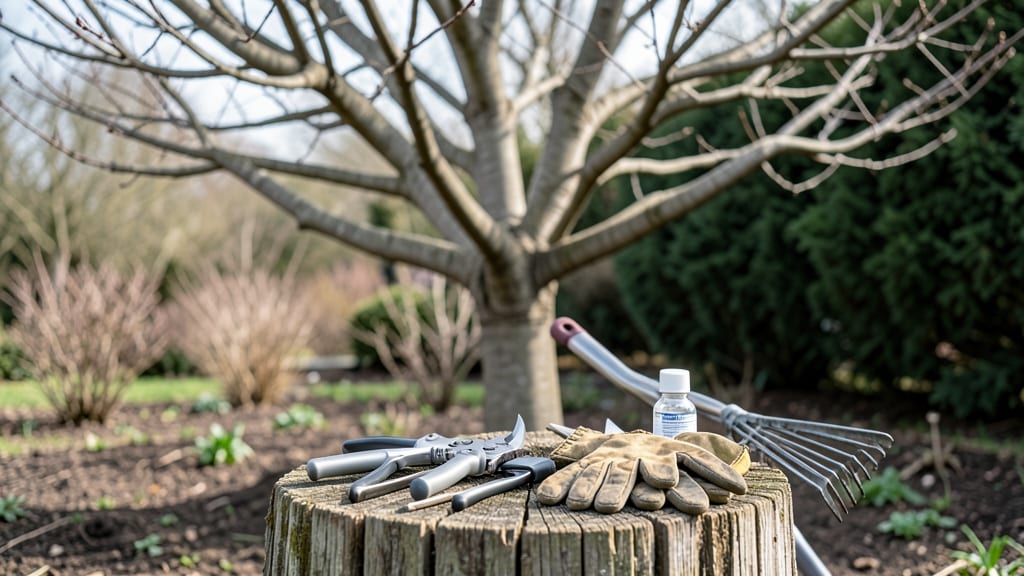
Late-winter pruning transforms Korean dogwoods into powerhouses of blooms and sturdy canes. ✂️ I’ve watched my own Cornus kousa go from scraggly to showstopping in just one season—all by cutting at the right time and with the right technique. The secret isn’t aggressive trimming; it’s strategic.
You’ll focus on removing dead wood, thinning crowded branches, and shaping to encourage airflow. Most gardeners overdo it, but Korean dogwoods reward patience with bold pink buds and glossy foliage all summer.
After pruning, your tree will send out fresh growth by early spring, setting the stage for heavier blooms next year. The key is timing—too early, and you risk frost damage; too late, and you cut off next season’s flowers. Works for both young trees and mature specimens.
Here’s how to do it without stressing your plant.
📚 In This Guide
- What you need
- Instructions
- Tips and common mistakes
- Wrapping up and next steps
What you need
- ● Pruning shears (bypass or anvil type) – Sharp, clean blades (test by snipping a small branch; if it crushes, sharpen it!). Size: 6–8 inches for small branches.
- ● Loppers – For thicker stems (up to 2 inches in diameter). Look for: Bypass blades and a comfortable grip.
- ● Pruning saw – For branches thicker than 2 inches. Recommended: Curved blade for precision cuts.
- ● Gloves (cut-resistant) – Protect your hands from thorns and rough bark. Material: Leather or heavy-duty synthetic.
- ● Disinfectant (rubbing alcohol or 10% bleach solution) – Clean tools between cuts to prevent disease spread.
- ● Extension pole with pruning shears – For high branches (saves time and effort!).
- ● Rope or branch spreaders – If your dogwood has crossing limbs that need separation.
- ● Marking spray (white or yellow) – Highlight branches to remove for better visibility.
- ● Compost bin or bag – For collecting pruned branches (great for mulch or disposal).
- ● Safety glasses – Protect your eyes from debris, especially when using a saw.
- ● Timing: Prune in late winter (February–early March) before new growth begins.
- ● Weather: Choose a dry, calm day to avoid slipping or spreading disease.
- ● Safety first: Wear closed-toe shoes and avoid pruning near power lines.
Step-by-step instructions for Korean dogwood pruning
Here's the precise late-winter method I use to revitalize Korean dogwoods—timed perfectly to maximize next year's blooms.
⏰ Step 1: Time Your Pruning for Dormant Season
Prune Korean dogwoods (Cornus kousa) during their dormant period, ideally between late February and early March when temperatures consistently stay above 32°F but before buds begin swelling. This timing ensures you remove dead wood without sacrificing next season's flower buds, which form on one-year-old wood.
Check the buds closely—if you see any green swelling or sticky sap, you've waited too long. I always mark my calendar the year before, since Korean dogwoods bloom on old wood and need precise timing. Avoid pruning in extreme cold or during active growth periods, as this stresses the tree and invites disease.
✂️ Step 2: Remove Dead, Diseased, or Weak Wood First
Start by eliminating any dead, broken, or crossing branches using clean, sharp pruners. Make your cuts at a 45-degree angle, about ¼ inch above an outward-facing bud or lateral branch. This angled cut prevents water from pooling on the wound, which can lead to rot.
Look for branches that rub against others or grow inward—they'll compete for resources and weaken the tree. Korean dogwoods have a naturally graceful form, so I always aim to maintain that elegant shape. If a branch is larger than ½ inch in diameter, use loppers instead of pruners to make cleaner cuts.
🌿 Step 3: Thin the Canopy for Better Airflow
Step back and assess the tree's overall structure. Korean dogwoods benefit from selective thinning to improve airflow and sunlight penetration. Remove up to 25% of the total canopy by targeting branches that are too dense or growing straight upward. These vertical "water sprouts" drain energy from the tree.
Focus on the outer canopy first, opening it up to encourage stronger growth on the interior branches. You'll notice the tree's natural layers more clearly once you start thinning—Korean dogwoods have a beautiful tiered habit. Never remove more than one-third of the canopy in a single year, as this can shock the tree.
☀️ Step 4: Shape for Optimal Bloom Display
Korean dogwoods produce their stunning blooms on one-year-old wood, so avoid cutting back into old wood unless it's absolutely necessary. Instead, focus on light structural pruning to enhance the tree's natural form. Remove any branches that spoil the tree's symmetry or grow in awkward directions.
For a more open, airy look, I often shorten the longest branches by one-third to encourage bushier growth. This also helps prevent the tree from becoming top-heavy. After pruning, step back and visualize how the tree will look in full bloom—this ensures your cuts enhance rather than detract from its beauty.
🪴 Step 5: Clean Up and Apply Preventative Care
After pruning, dispose of all clippings immediately to prevent disease spread. Sterilize your tools with 70% isopropyl alcohol or a 10% bleach solution to kill any lingering pathogens. Korean dogwoods are susceptible to powdery mildew and anthracnose, so this step is critical.
Apply a balanced, slow-release fertilizer around the tree's drip line in early spring to replenish nutrients lost during pruning. Water deeply to help the tree recover, and mulch with 2-3 inches of organic mulch to retain moisture and regulate soil temperature. This final step sets the stage for vibrant new growth and spectacular blooms next season.
Tips & tricks for perfect Korean dogwood pruning
These essential insights will help you transform your pruning session from good to exceptional—keeping your Korean dogwood thriving for years to come.
Timing is Everything: The late February to early March window is non-negotiable for Korean dogwoods. I've learned this the hard way—pruning too early in cold snaps can stress the tree, while waiting too long risks cutting off next year's flower buds. Check your local hardiness zone and set a reminder for exactly 2-3 weeks before buds begin swelling. That 32°F minimum temperature isn't just a suggestion—it's the threshold where the tree's natural defenses are most resilient.
Tool Precision Matters: Your pruners and loppers should be sharper than a chef's knife. Dull tools crush branches instead of making clean cuts, which creates larger wounds that heal poorly. I always test my tools by making a clean cut through a small twig—if it tears rather than slices, it's time to sharpen. For branches larger than ½ inch, use loppers to avoid crushing the branch collar, which is crucial for proper healing. The 45-degree angle cut isn't just aesthetic—it directs water away from the wound and promotes faster healing.
Visual Assessment Technique: Before making any cuts, step back 10 feet and study the tree's overall shape. Korean dogwoods have a natural tiered growth pattern that you should preserve. Look for branches that create triangles within the canopy—these are your structural support branches. When thinning, prioritize removing branches that grow straight up ("water sprouts") or cross others. These compete for sunlight and nutrients, weakening the tree's overall health. Remember: you're sculpting, not hacking—every cut should serve a purpose in maintaining that elegant, layered form.
Post-Pruning Care Strategy: The work doesn't end when you put down your tools. Immediately dispose of all clippings to prevent disease spread, especially powdery mildew and anthracnose which love damp, organic material. I've found that sterilizing tools between cuts with 70% isopropyl alcohol makes a noticeable difference in keeping my trees healthy. After pruning, apply that 2-3 inches of organic mulch right away—the cooler soil temperature helps prevent root shock while the mulch retains moisture critical for recovery. This final step is what transforms a good pruning job into a great one that sets up your tree for spectacular blooms next season.
Pro Tips for Korean Dogwood Pruning
- These essential insights will help you transform your pruning session from good to exceptional—keeping your Korean dogwood thriving for years to come.
- Timing is Everything: The late February to early March window is non-negotiable for Korean dogwoods.
- Tool Precision Matters: Your pruners and loppers should be sharper than a chef's knife.
Frequently asked questions
Got questions about Korean dogwood pruning? You’re not alone!
Here are answers to the most common concerns—so you can prune with confidence and keep your tree thriving.
When is the exact best time to prune Korean dogwood?
The ideal window is late winter (February–early March), just as buds swell but before new growth starts. This timing minimizes stress and disease risk. Avoid pruning in fall or early spring—waiting too long can reduce next year’s bloom potential.
What if I miss the late-winter pruning window? Can I still prune?
Yes, but with caution! If you skip late winter, prune in early spring (April) or late summer (August). Avoid heavy pruning in summer—it stresses the tree and attracts pests. Light shaping is fine, but prioritize dead/diseased wood removal over aesthetics.
How much can I cut back without harming my Korean dogwood?
Limit pruning to 20–30% of the canopy per year for healthy growth. For rejuvenation, you can remove up to 50% of older canes (focus on thick, woody stems) but spread it over 2–3 years. Never remove more than one-third in a single session—this can shock the tree.
Why are my Korean dogwood branches dying after pruning?
Dead branches often signal over-pruning, disease (like powdery mildew), or pest damage. Check for:
- Thinning canes (look for hollow centers or oozing sap).
- Fungal spots on leaves or bark.
- Borer holes (tiny exit holes in bark).
Will pruning reduce next year’s flowers?
Not if done correctly! Korean dogwood blooms on old wood, so pruning after flowering (late spring) won’t hurt blooms. Late-winter cuts encourage stronger canes for bigger flowers. Just avoid heavy pruning near flowering buds—aim for 3–4 inches below damaged or crossing branches.
Wrapping up and next steps
Pruning your Korean dogwood in late winter isn’t just about shaping—it’s about setting the stage for vibrant blooms and sturdy canes all season long. By following the right techniques, timing, and tools, you’ll encourage healthier growth and even more spectacular spring displays. 🌸
Now that you’re armed with the knowledge, grab those pruners and get hands-on! Start small if you’re new, and soon, your dogwood will reward you with lush foliage and breathtaking flowers. Happy pruning—your garden will thank you! 🌿
Next step: Mark your calendar for late winter (just before buds swell) and make pruning a regular part of your seasonal routine.