
Pruning
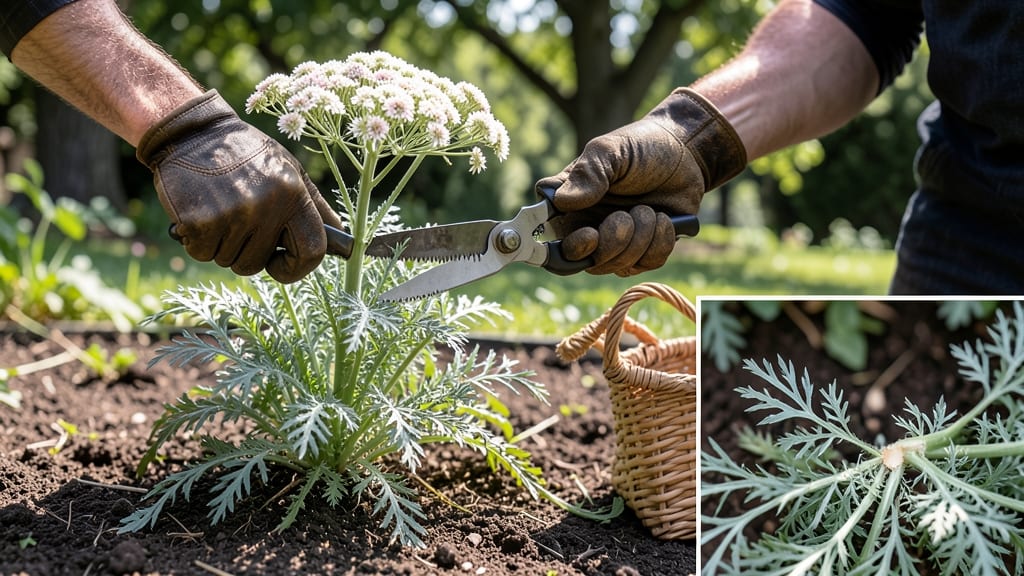
Pruning yarrow in late winter reveals its hidden potential—thicker stems, more blooms, and a plant that looks like it just got a spa day. ✂️ I’ve turned my ragged yarrow patches into lush, bushy clumps by cutting back the old growth at the right time, and the difference is shocking.
The key? Timing and technique matter more than you’d think, especially if your yarrow has gone wild or looks tired after summer.
You’ll need just three things: sharp pruners (or clean shears), gloves (yarrow can be prickly), and a sunny day when the ground isn’t frozen. The goal is to remove 60-70% of the old stems down to about 2-3 inches above the soil—this forces new growth from the base.
For overgrown plants, you might need to cut back even more, but don’t panic; yarrow bounces back like a champ.
By early spring, you’ll see fresh green shoots pushing through the soil, and by summer, those stems will be packed with more flowers than ever—and they’ll last longer too.
The secret is letting the plant focus its energy on new growth instead of supporting last year’s tired stems. Plus, it looks tidier, which is a nice bonus.
Works for all yarrow varieties, whether you’re dealing with a single plant or a whole border. The same method revives tired patches and keeps them productive for years. Ready to give it a try?
📚 In This Guide
- What you need
- Instructions
- Tips and common mistakes
- Wrapping up and next steps
What you need
- ● Pruning shears or bypass pruners: Sharp, clean, and sterilized (7-inch blades work well for most yarrow varieties). Must be able to cut through woody stems effortlessly.
- ● Garden gloves: Heavy-duty, cut-resistant gloves (e.g., leather or reinforced fabric) to protect your hands from thorns and sharp stems.
- ● Disinfectant (70% isopropyl alcohol or bleach solution): 1 part bleach to 9 parts water—use to wipe down tools before and after pruning to prevent disease spread.
- ○ Garden twine or burlap sacks: Optional but helpful for bundling pruned stems for composting or disposal.
- ● Compost bin or yard waste bag: For disposing of pruned material (yarrow stems decompose quickly!).
- ● Watering can or hose: To hydrate plants before pruning (especially in dry conditions).
- ● Loppers: For larger, established yarrow clumps with thick stems (10-12 inch blades).
- ● Hand pruners (felco or similar): For precision trimming of smaller stems.
- ● Knee pads or a small stool: If your yarrow is ground-level or you have mobility needs.
- ● Plant marker or label: To tag pruned sections if you’re experimenting with propagation.
- ● Rake or leaf blower: To clear away debris after pruning for a tidy workspace.
Step-by-Step instructions for pruning yarrow
Here's the method I use to revive yarrow's vigor and keep it blooming like crazy every season.
✂️ Step 1: Time Your Pruning for Dormancy
Prune yarrow in late fall or early spring, just as new growth begins. I always wait until the first hard frost has passed but before any new shoots appear. This timing ensures you remove old growth while leaving the plant's energy reserves intact for the next season. Avoid pruning in summer—it stresses the plant and can invite disease.
Look for brown, crispy stems and faded foliage as your visual cue. If your climate stays mild through winter, wait until early spring when you see fresh green buds pushing through the soil. This is the moment that matters: prune too early and you'll cut back new growth; too late and you'll miss the full dormancy cycle.
✂️ Step 2: Cut Back to the Ground
Use clean, sharp pruners to cut all stems back to within ½ inch of the soil line. I like to make a slight upward angle on the cut to prevent water from pooling on the stem. This aggressive pruning might look drastic, but yarrow is incredibly resilient and will bounce back with fresh, bushy growth.
Don't worry if the plant looks completely bare afterward. Yarrow stores energy in its roots, and cutting back to the ground encourages it to redirect that energy into producing more stems and flowers. If you're pruning multiple plants, sterilize your pruners between each with rubbing alcohol to prevent spreading any potential pathogens.
🌱 Step 3: Remove Dead or Diseased Foliage
After the main pruning, inspect each plant for any remaining dead or diseased stems. These will appear brown, mushy, or covered in spots. Cut these out completely, being careful not to leave any stubs. Healthy stems should snap cleanly when bent, while diseased ones will feel soft or crumbly.
This is also the time to check for any signs of pests like aphids or spider mites. If you spot any, give the plant a good spray with water to dislodge them. I've found that a thorough inspection now prevents bigger problems later in the season. Once you've removed all the debris, gather it up and dispose of it in the trash—not the compost—since diseased material can spread pathogens.
☀️ Step 4: Encourage New Growth with Light and Air
After pruning, yarrow needs plenty of airflow to dry out quickly and prevent fungal issues. Space your plants 12-18 inches apart if they were crowded, and avoid overcrowding in future plantings. This airflow is key to preventing mildew and other fungal diseases that love damp, stagnant conditions.
Once new growth appears in spring, you'll know your pruning was successful. Watch for fresh green shoots emerging from the base of the plant. At this stage, you can start fertilizing lightly with a balanced, slow-release fertilizer to support the new growth. I like to use a 10-10-10 formula, applying it according to the package instructions.
⏰ Step 5: Monitor and Maintain Through the Season
Throughout the growing season, keep an eye out for any spent flower heads. Deadheading these regularly—cutting them back to just above a set of healthy leaves—encourages the plant to produce more blooms. This is especially important if you're growing yarrow for its flowers, as it will keep blooming longer and look neater.
Water deeply but infrequently, allowing the soil to dry out between waterings. Yarrow is drought-tolerant once established, so don't overwater. If a stem looks leggy or sparse, you can give it a light trim mid-season to encourage bushier growth. Just avoid heavy pruning during the growing season—save that for dormancy time.
Tips & tricks for perfect yarrow pruning
Here's what I've learned after years of working with yarrow—these little details make all the difference between a plant that just survives and one that thrives.
Timing is Everything: In Step 1, I can't stress enough how critical that window between frost and new growth is. If you're unsure, do the "finger test"—press a stem gently. If it snaps crisply, it's ready. If it bends like a noodle, wait a few more days. The goal is to catch yarrow in its dormant state, not wake it up prematurely. I've ruined spring blooms by pruning too early, and trust me, you don't want that experience.
Pruner Care Matters: For Step 2, your pruners are your most important tool. I keep a dedicated pair for yarrow, and I always sterilize them between plants with rubbing alcohol. This prevents cross-contamination that could spread fungal diseases. After pruning, I run a damp cloth through the blades to remove sap—it dries sticky and makes cleanup a nightmare. A clean cut at that ½-inch mark also helps prevent water from pooling, which is crucial for preventing rot.
Disease Prevention Strategy: During Step 3, I make it a habit to inspect every single stem—even the ones that look fine. That's where I've caught early signs of powdery mildew or rust before they became major problems. If you find diseased stems, don't just trim them back—cut them out completely and dispose of them in the trash. I've seen yarrow plants recover from heavy pruning but never from neglected disease. That said, a good spray with water to dislodge pests is always worth the few minutes it takes.
Seasonal Maintenance Hack: For Step 5, instead of waiting until flowers are completely spent, I deadhead yarrow every 1-2 weeks during peak bloom. This simple habit extends the flowering season by several weeks. I use clean pruners and cut just above a set of healthy leaves, which encourages the plant to put energy into new blooms rather than seed production. The key is consistency—don't let those seed heads form if you want continuous color.
Pro Tips for Prune Yarrow
- Here's what I've learned after years of working with yarrow—these little details make all the difference between a plant that just survives and one that thrives.
- Timing is Everything: In Step 1, I can't stress enough how critical that window between frost and new growth is.
- Pruner Care Matters: For Step 2, your pruners are your most important tool.
Frequently asked questions
When is the best time to prune yarrow?
Prune yarrow in late winter or early spring (before new growth starts) or after flowering (late summer/fall). Avoid pruning in extreme heat—this can stress the plant. For a neat, tidy look, late winter is ideal. If you want to encourage more blooms, prune after flowering to redirect energy to next year’s growth.
How much should I cut back yarrow?
Cut back yarrow by ⅓ to ½ of its height to maintain shape and encourage bushiness. For established plants, you can trim down to 2–4 inches above the ground. Avoid over-pruning—yarrow is hardy and can bounce back, but never cut into woody stems (they won’t regrow).
What if I prune yarrow at the wrong time?
Pruning yarrow in mid-summer or fall can stunt growth or leave it vulnerable to frost damage. If you accidentally prune too late, don’t panic—yarrow is resilient! Just avoid heavy cuts and focus on removing dead or leggy stems. Next year, adjust your timing for better results.
Does pruning yarrow encourage more flowers?
Yes! Pruning after flowering (late summer) removes spent blooms and redirects energy to new growth and next year’s flowers. For continuous blooms, you can also deadhead (trim faded flowers) throughout the season. Just avoid pruning too aggressively—yarrow thrives on a balance of structure and airflow.
Can I prune yarrow in containers?
Container-grown yarrow follows the same rules as in-ground plants, but with one key difference: prune more frequently (every 4–6 weeks) to control size and prevent root-bound stress. Use sharp, clean shears and water well after pruning to help recovery. Dwarf varieties (like ‘Moonshine’) may need lighter trims.
Wrapping up and next steps
Pruning yarrow in late winter or early spring is your secret weapon for vibrant, bushier blooms and a healthier plant! 🌿 By removing dead foliage, thinning overcrowded stems, and shaping strategically, you’re not just tidying up—you’re setting the stage for a stunning summer display.
Remember, consistency is key, so check your yarrow regularly and adjust as it grows.
Ready to see the results? Grab your pruners and give your yarrow the care it deserves—your garden will thank you! For even more tips, explore our guide to yarrow care year-round to keep those flowers thriving all season.