
Pruning
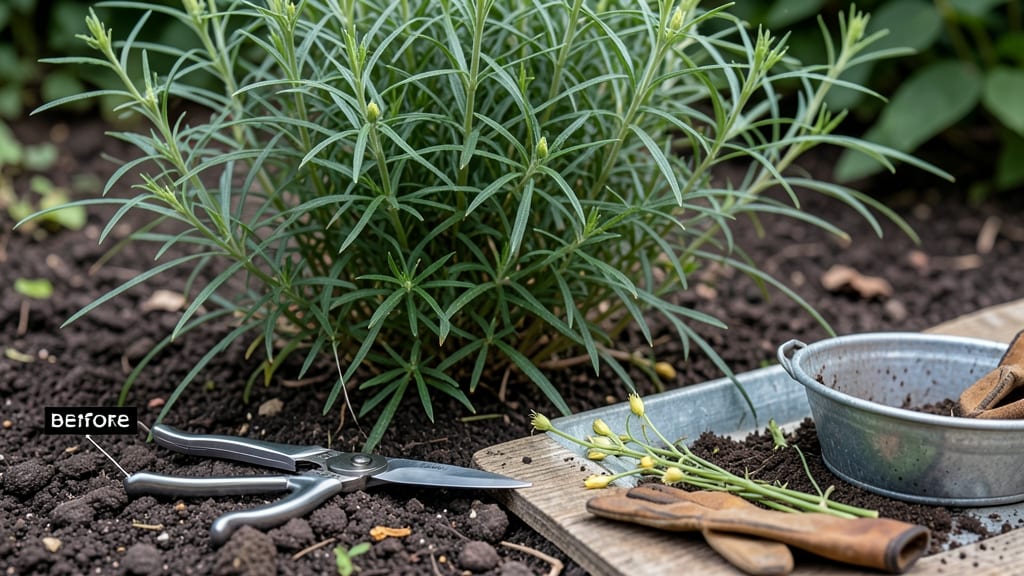
Pruning tarragon isn't just about shaping—it's about unlocking that signature anise scent and keeping your plant thriving for years. 🌿 I've learned the hard way that skipping pruning turns this hardy perennial into a leggy, woody mess, but with the right timing and technique, you'll have a bushy, fragrant plant that multiplies effortlessly.
The secret lies in understanding when to cut (and when to leave it alone), because tarragon hates being handled wrong.
You'll need just three things: sharp pruning shears, a clean bucket for cuttings, and a sunny spot where your tarragon gets at least six hours of light daily.
The best time to prune is right after it finishes flowering in late summer, but you can also give it a light trim in early spring to encourage new growth. Avoid pruning in fall—tarragon needs that energy to store for winter.
Most people overlook the spring trim, which is where the magic happens for bushier plants.
Start by removing any dead or yellowing stems at the base, then cut back about one-third of the plant's height to encourage branching. Save those cuttings—they root easily in water, giving you free plants for friends or your next garden spot.
What you're left with is a denser, more aromatic tarragon that keeps producing those signature leaves all season long. The smell alone makes the effort worthwhile.
Here's the kicker: tarragon responds best to regular, gentle pruning rather than drastic cuts. Over-pruning stresses the plant, while too little pruning leads to woody stems and fewer leaves. Think of it like giving your tarragon a haircut—just enough to keep it looking its best without going too short.
With this approach, your tarragon will reward you with years of fragrant, flavorful growth.
📚 In This Guide
- What you need
- Instructions
- Tips and common mistakes
- Wrapping up and next steps
What you need
- ● Pruning shears or sharp bypass pruners – Look for clean, sharp blades (avoid dull tools to prevent tearing stems). A pair with a 5-7 inch blade works best for tarragon’s woody stems.
- ○ Garden gloves – Heavy-duty or cut-resistant gloves (optional but recommended to protect against thorns or rough stems).
- ● Disinfectant (rubbing alcohol or hydrogen peroxide) – A small bottle (4 oz) to wipe down tools before and after pruning to prevent disease spread.
- ● Compost bin or bag – For clippings (tarragon is non-toxic, but composting keeps your garden tidy!).
- ● Watering can or hose – A gentle spray to hydrate the plant post-pruning (1-2 gallons of water should suffice).
- ● Hand pruners (for smaller cuts) – Great for trimming delicate new growth or shaping.
- ● Garden twine or plant ties – If your tarragon is leggy, secure it to a stake for support after pruning.
- ○ Pruning sealant (optional) – A small tube for sealing large cuts (only needed if pruning woody stems in late fall/winter).
- ● Notebook or marker – To label pruning dates or track growth patterns (helpful for long-term care!).
Step-by-Step instructions for pruning tarragon
Here’s how to keep your tarragon thriving year-round with simple, effective pruning techniques.
🌿 Step 1: Prune for Bushier Growth in Spring
Start by cutting back any dead or yellowed stems at the base with clean, sharp pruners. Tarragon grows best when pruned just above a leaf node—this encourages new side shoots to form, creating a fuller, bushier plant. I like to trim about one-third of the plant’s height in early spring, right as new growth begins. This is the moment that matters: timing it too late means you miss the flush of fresh shoots.
Watch for fresh green buds along the stems—these are your signal to stop cutting. If you see leggy growth, that’s your cue to prune even more aggressively. Tarragon responds well to regular trimming, so don’t be afraid to shape it into a compact form. Just avoid cutting into woody stems, as these won’t regrow.
✂️ Step 2: Harvest and Prune Throughout the Growing Season
As your tarragon grows, regularly snip individual stems just above a leaf node to encourage branching. This is where the magic happens: every time you harvest, you’re stimulating the plant to produce more side shoots. I harvest stems about 6-8 inches tall for culinary use, but you can trim shorter if you prefer. Just leave at least 2-3 sets of leaves on each stem to keep the plant healthy.
Real talk: if you let tarragon grow too tall, it becomes woody and less flavorful. I prune mine every 2-3 weeks during the growing season to maintain tender, fragrant foliage. Always use sharp pruners—dull blades crush stems and invite disease.
🌱 Step 3: Light Pruning in Late Summer for Winter Hardiness
In late summer, reduce pruning to allow the plant to harden off for winter. Cut back any overly leggy growth but avoid heavy pruning—you want the plant to store energy in its roots. Focus on removing only the topmost growth, leaving the lower stems intact. This ensures the plant has enough foliage to photosynthesize and build reserves before dormancy.
You’ll notice the growth slow down as temperatures drop. That’s your sign to taper off pruning entirely by mid-to-late fall. Tarragon is hardy in many climates, but a light layer of mulch (like straw or shredded leaves) helps protect the roots during cold snaps.
⏰ Step 4: Post-Winter Pruning to Revive Growth
In early spring, inspect your tarragon for any dead or damaged stems and trim them away at the base. Even if the plant looks dormant, it’s often still alive beneath the surface. I wait until I see fresh green shoots emerging before pruning—this ensures I’m not cutting back healthy growth by mistake.
Once new growth appears, give the plant a light trim to shape it and encourage bushiness. Tarragon is surprisingly resilient, so even if you’ve neglected it over winter, it often bounces back with minimal intervention. Just avoid heavy pruning until you’re certain the plant is actively growing again.
Tips & tricks for perfect tarragon pruning
Here’s what nobody tells you about keeping your tarragon lush and fragrant—these tricks make all the difference!
Tool Selection: Invest in a pair of high-quality, sharp pruners—dull blades tear stems and create entry points for disease. I use bypass pruners because they make clean cuts that heal faster. Sterilize your tools with rubbing alcohol between cuts to prevent spreading any potential pathogens. This might seem like overkill, but trust me, it keeps your tarragon thriving for years!
Seasonal Timing Secret: The early spring pruning in Step 1 is your golden opportunity to shape the plant’s future growth. Aim for late March to early April when you see those first fresh green buds appear. If you miss this window, you might have to wait until next year for that bushy, fragrant plant you’re dreaming of. I’ve learned this the hard way after skipping a season and ending up with a leggy, woody mess.
Visual Cues for Pruning: When harvesting in Step 2, look for stems that are about 6-8 inches tall but still have that vibrant green color. The key is leaving those 2-3 sets of leaves—this ensures the plant has enough energy to keep growing. If you’re unsure, think of it like giving your tarragon a haircut: you want to leave enough length to keep it looking full and healthy, not like a buzz cut!
Winter Prep Strategy: That mid-to-late fall taper-off in Step 3 is crucial for winter hardiness. I like to add a 2-inch layer of straw mulch after my final pruning—it acts like a cozy blanket for the roots. This simple step can make the difference between a plant that survives winter and one that struggles to bounce back in spring.
Pro Tips for Prune Tarragon
- Here’s what nobody tells you about keeping your tarragon lush and fragrant—these tricks make all the difference!
- Tool Selection: Invest in a pair of high-quality, sharp pruners—dull blades tear stems and create entry points for disease.
- Seasonal Timing Secret: The early spring pruning in Step 1 is your golden opportunity to shape the plant’s future growth.
Frequently asked questions
Got questions about pruning tarragon? You’re not alone! Here are some of the most common concerns—plus quick, actionable answers to keep your herb thriving.
When is the best time to prune tarragon?
Prune tarragon in early spring (just as new growth begins) and again after harvests to encourage bushiness. Avoid heavy pruning in fall or winter—tarragon is semi-hardy but can struggle with cold stress. If you live in a mild climate, a light trim in late summer (before flowering) also helps maintain vigor.
How much should I cut back when pruning?
Remove one-third of the plant’s height during spring pruning, focusing on leggy or overgrown stems. For ongoing maintenance, snip just above a leaf node (where leaves meet the stem) to promote branching. Avoid cutting into woody stems—tarragon struggles to regrow from old wood.
Can I prune tarragon too much?
Yes! Over-pruning (especially in winter) can stress the plant or even kill it. Stick to 2-3 pruning sessions per year and never trim more than 30% of the foliage at once. If your tarragon looks sparse, it might be over-pruned—give it time to recover with light trims and consistent watering.
What should I do if my tarragon turns woody or stops growing?
Woody tarragon is a sign of age or neglect. If the stems are thick and bare, replace the plant—tarragon rarely revives once fully woody. To prevent this, prune regularly, divide clumps every 3-4 years, and grow it in well-draining soil with full sun.
Can I use pruned tarragon stems for anything besides cooking?
Use fresh sprigs in homemade vinegars, infused oils, or herbal teas. Dried tarragon (hang stems upside down in a dark, dry place) works for potpourri or long-term storage. Just avoid drying the roots—they lose flavor quickly. Pro tip: Freeze sprigs in ice cubes for easy culinary use!
Wrapping up and next steps
Pruning tarragon doesn’t have to be intimidating—just a few simple steps can transform your herb into a lush, fragrant powerhouse! Remember to prune in early spring and after harvests, use clean tools, and avoid over-trimming to keep your plant thriving.
With patience and care, your tarragon will reward you with abundant, flavorful leaves year after year.
Now that you’re ready to prune like a pro, why not share your progress with fellow gardeners or explore more herb-care tips? Happy pruning—your kitchen (and taste buds) will thank you! 🌿✨