
Pruning
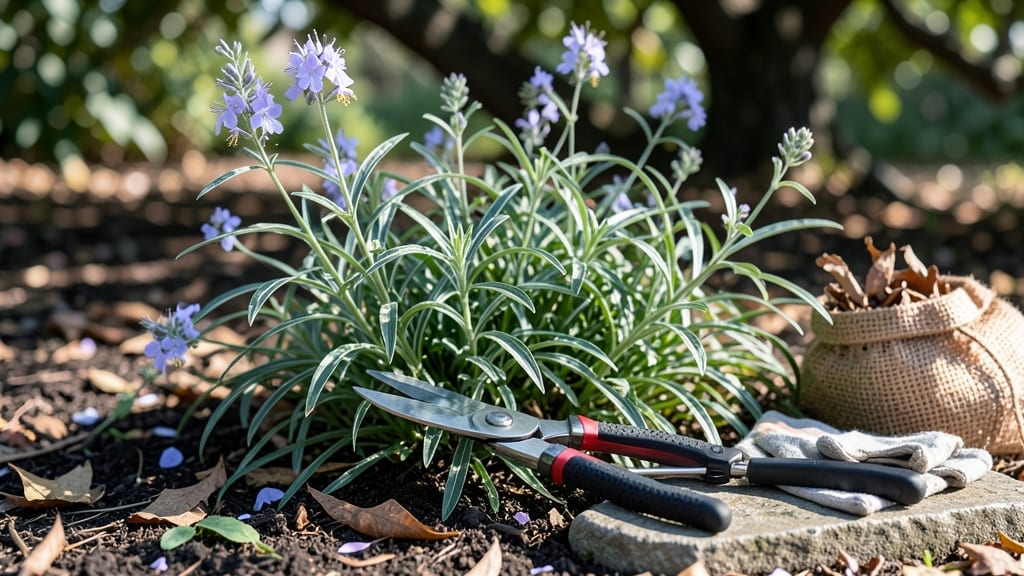
Pruning spiderwort isn’t just about cleaning up—it’s the secret to longer blooms and bushier plants all season. ✂️ I’ve watched my spiderwort go from leggy and sparse to a vibrant, flowering powerhouse just by following these three simple cuts, and you can too.
The best time to prune is right after the first flush of flowers fades in early summer, or in late winter before new growth starts. Grab your shears and look for stems that have finished blooming or are growing too tall and bare—those are your targets.
A sharp cut just above a leaf node (where new growth emerges) is all it takes. You’ll see fresh, compact growth within weeks, with more blooms appearing along the new stems.
The plant focuses its energy on producing flowers instead of stretching for light, and your garden gets a second wave of color by midsummer. For those who love spiderwort’s foliage as much as its flowers, a light trim in spring keeps the plant dense and healthy.
Just avoid cutting back more than one-third of the plant at once—less is more with spiderwort.
📚 In This Guide
- What you need
- Instructions
- Tips and common mistakes
- Wrapping up and next steps
What you need
- ● Bypass pruners – Sharp, clean bypass pruners (4–6 inches) for precise cuts. Sterilize with rubbing alcohol before use!
- ○ Hand pruners (optional) – For smaller stems or tight spaces (3–4 inches).
- ● Gloves – Garden gloves (nitrile or leather) to protect hands from thorns or sap.
- ● Disinfectant spray – 70% isopropyl alcohol or a bleach-water mix (1:9 ratio) to sterilize tools between cuts.
- ○ Garden shears (optional) – For bulkier foliage or deadheading spent blooms.
- ● Compost bin or bag – To collect pruned stems and debris.
- ● Best time to prune – Early spring (before new growth) or right after flowering (late spring/early summer).
- ● Weather conditions – Prune on a dry, overcast day to reduce stress on the plant.
- ● Healthy plant check – Ensure spiderwort is free of pests/disease before pruning.
- ○ Water source – A hose or watering can to hydrate the plant post-pruning (optional but helpful).
Step-by-step instructions for pruning spiderwort
Here's the simple method I use to keep spiderwort blooming all season—no fancy tools or complicated steps.
✂️ Step 1: Time Your Pruning for Best Results
Prune spiderwort right after it finishes blooming in early summer. This gives the plant time to regrow before winter. Look for spent flower stalks that turn brown or wilt—they’re your signal it’s time to cut. Avoid pruning in late summer or fall, as new growth won’t have time to harden off before cold weather.
If you miss the early summer window, you can still prune lightly in early fall to tidy the plant, but avoid cutting back more than ⅓ of the foliage. This prevents shock and keeps the plant healthy for next year. I usually grab my pruners on a warm, dry morning when the dew has evaporated—this makes clean cuts and reduces disease risk.
✂️ Step 2: Cut Back Properly to Encourage New Growth
Use sharp pruners or clean scissors to cut the entire spent flower stalk back to the base. For leggy stems, trim just above a set of healthy leaves or a leaf node. Never leave stubs—this invites rot and weakens the plant. Spiderwort is tough, so you can be bold with your cuts.
If the plant looks overgrown after flowering, you can also trim back some of the older foliage to open up the center for airflow. Focus on removing yellowed or damaged leaves first. I like to step back and look at the plant from a few feet away—this helps me see what’s truly necessary. After pruning, the plant should look balanced, not stripped down.
✂️ Step 3: Clean Up and Support Healthy Regrowth
Remove all cut stems and debris from the planting area immediately. Leaving old plant material can harbor pests or diseases. If your spiderwort is in a garden bed, rake up the clippings and dispose of them in the trash or compost bin (not in your compost pile—this can spread disease). For potted plants, toss the trimmings in the yard waste.
After pruning, water the plant deeply to help it recover. Spiderwort is drought-tolerant once established, but a good soak after cutting back encourages strong new growth. Watch for fresh shoots emerging from the base within 2-3 weeks. If you don’t see new growth by then, check the soil moisture—dry conditions can delay regrowth.
Finally, add a light layer of 2-3 inches of mulch around the base to retain moisture and protect the roots. I use shredded bark or compost, but avoid piling mulch directly against the stems. This keeps the plant healthy and ready to bloom again next season.
Tips & tricks for pruning spiderwort
A few simple tricks can make all the difference in keeping your spiderwort thriving after pruning.
Timing is Everything: The early summer window after blooming is your best bet for pruning—this gives spiderwort plenty of time to regrow before winter. If you miss that, early fall is your second chance, but keep cuts light to avoid shocking the plant. I’ve learned the hard way that fall pruning beyond ⅓ of the foliage can weaken roots before cold weather sets in.
Clean Cuts Prevent Problems: Always use sharp pruners or clean scissors to make clean cuts at the base of spent flower stalks. Leaving stubs invites rot, and dull blades can crush stems, making recovery harder. For leggy stems, trim just above a leaf node—this encourages new growth from that point. Think of it like giving your plant a fresh haircut!
Post-Pruning Care Makes the Difference: After cutting, remove all debris immediately to prevent pests and diseases from taking hold. A deep watering helps the plant recover, and watching for new shoots in 2-3 weeks tells you everything’s on track. If you don’t see regrowth, check soil moisture—dry conditions can delay sprouting. Mulch lightly (2-3 inches) to keep roots happy without smothering the plant.
Pro Tips for Prune Spiderwort
- A few simple tricks can make all the difference in keeping your spiderwort thriving after pruning.
- Timing is Everything: The early summer window after blooming is your best bet for pruning—this gives spiderwort plenty of time to regrow before winter.
- Clean Cuts Prevent Problems: Always use sharp pruners or clean scissors to make clean cuts at the base of spent flower stalks.
Frequently asked questions
Got questions about pruning spiderwort? You’re not alone! Here are some of the most common concerns—and their simple solutions—to keep your plants thriving.
When is the best time to prune spiderwort for maximum blooms?
Prune spiderwort after it finishes blooming in early summer or late spring, but never during its active growing season (spring to early summer). This timing encourages fresh growth and prevents cutting off next year’s flowers. For deadheading (removing spent blooms), do it weekly to redirect energy into new flowers!
How much of the plant can I safely cut back without harming it?
You can trim up to one-third of the plant’s height, focusing on leggy stems or overcrowded foliage. Avoid cutting into the basal rosette (the circular cluster of leaves at the base)—this is where new growth emerges. For aggressive varieties, a light prune every 4–6 weeks keeps them compact and bushy.
What if I prune at the wrong time? Will my spiderwort die?
Pruning at the wrong time (like mid-summer) can stress the plant, but it won’t kill it. Spiderwort is hardy and often rebounds with minimal damage. If you notice yellowing leaves or stunted growth, pause pruning and focus on watering and fertilizer until the plant recovers. Pro tip: Always use clean, sharp shears to avoid disease!
Can I propagate spiderwort from pruned cuttings?
After pruning, place healthy stem cuttings (4–6 inches long) in water or moist potting mix. Roots usually form in 2–3 weeks. This is a great way to multiply your plants or share them with fellow gardeners. Just avoid taking cuttings from diseased or overly woody stems.
Does spiderwort need special care after pruning?
Post-pruning, give your spiderwort a little TLC: water deeply to help recovery, and apply a balanced fertilizer (like 10-10-10) to support new growth. Mulch around the base to retain moisture and protect roots. With proper care, your plant should bounce back stronger—and often blooms more prolifically the following season!
Wrapping up and next steps
Pruning spiderwort may seem daunting, but with the right tools and timing, you’ll unlock vibrant blooms and lush foliage for seasons to come! 🌸 Remember to trim in early spring or after flowering, remove dead stems, and maintain a clean workspace for healthier growth.
Your garden will thank you with bold, cheerful flowers that keep coming back stronger.
Ready to give your spiderwort the TLC it deserves? Grab your pruners and start snipping—your garden’s renewal begins now! For extra tips, check out our FAQ section or share your progress with fellow gardeners. Happy pruning! ✂️🌿