
Pruning
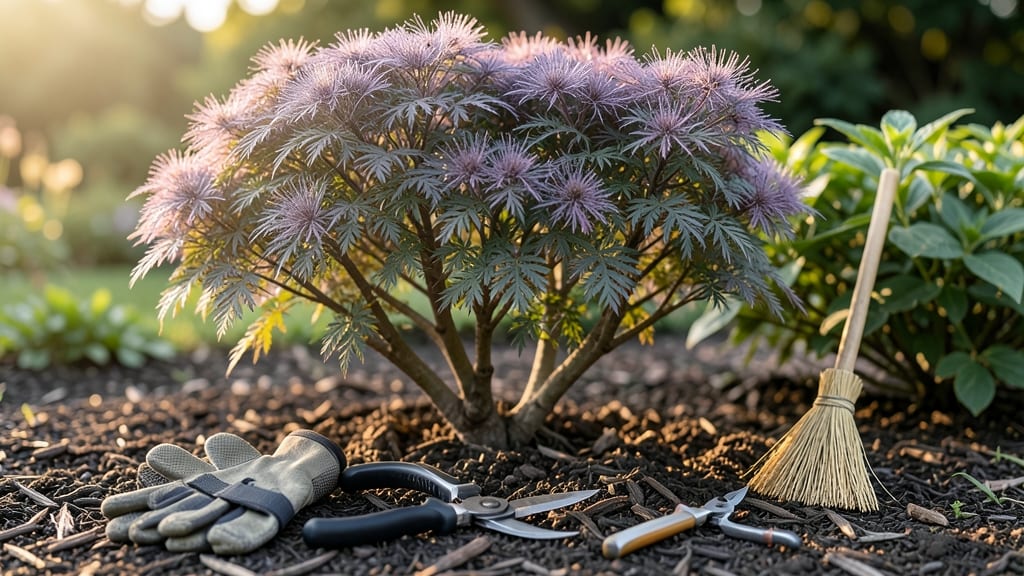
Pruning smokebush in late winter unlocks its signature puffed foliage and fragrant blooms all season. ✂️ I’ve learned the hard way—skipping this step means leggy growth and fewer flowers.
The key is timing: cut back 1/3 of the oldest stems right before new growth starts, and you’ll trigger bushier, more vibrant plants.
You’ll need sharp pruners, gloves, and a clear day to see the plant’s structure. Focus on removing dead or crossing branches first, then shape by cutting just above a leaf node—this encourages new shoots. For older bushes, rejuvenate by thinning out 20% of the oldest wood to refresh the center.
By spring, you’ll see fresh green shoots pushing from the base, and those signature smoky plumes will return bigger and fuller than ever. The plant rewards precision: too much pruning stresses it, but the right cuts make it thrive for decades.
Works for both standard and dwarf varieties, and the same technique applies whether you’re shaping a hedge or a standalone specimen. Here’s how to do it without mistakes—and why waiting until summer ruins the effect.
📚 In This Guide
- What you need
- Instructions
- Tips and common mistakes
- Wrapping up and next steps
What you need
- ● Pruning shears: Bypass pruners (for clean cuts on small branches, 4–6 inches long with sharp, stainless steel blades).
- ● Loppers: Bypass or anvil-style (for thicker branches, 8–12 inches long, with a comfortable grip).
- ● Pruning saw: Curved or folding saw (for branches thicker than 1.5 inches; opt for a fine-toothed blade for precision).
- ● Gloves: Heavy-duty, cut-resistant (to protect hands from thorns and rough bark).
- ● Disinfectant: Rubbing alcohol (70%+) or bleach solution (1 part bleach to 9 parts water) (to sterilize tools between cuts and prevent disease spread).
- ● Trash bags or bucket: (for collecting pruned branches; a 5-gallon bucket works well for small jobs).
- ● Ladder or stool: (if your smokebush is taller than 6 feet; ensure it’s stable and non-slip).
- ● Hand pruners: (for delicate trimming of small growth, 5–7 inches long).
- ● Safety glasses: (to shield eyes from debris).
- ● Pole pruner: (for high branches, extending up to 10+ feet).
- ● Marking spray: (to highlight branches to remove before cutting).
- ● Sharpener: (a file or honing tool to keep blades razor-sharp mid-job).
- ○ Pruning sealant: (optional for large cuts to prevent disease, but not always necessary for smokebush).
Step-by-Step guide to pruning smokebush for vibrant growth
Late winter is the perfect time to shape this hardy shrub—here's how to do it right.
✂️ Step 1: Identify Dead, Diseased, or Weak Wood
Start by examining your smokebush for any branches that are clearly dead, diseased, or structurally weak. Dead wood will be brittle and snap easily when bent, while diseased branches may show discoloration, fungal growth, or unusual lesions. Weak wood often appears thin or lacks leaf buds along its length.
Use clean, sharp pruning shears to remove these branches at their point of origin. Cut at a 45-degree angle just outside the branch collar—the swollen area where the branch meets the trunk. This angle helps water run off the cut and prevents rot. I always sanitize my shears with rubbing alcohol between cuts to avoid spreading any potential pathogens.
✂️ Step 2: Thin Out Crowded Branches for Airflow
Smokebush thrives when it receives good airflow, which you encourage by thinning out overly dense areas. Look for branches that cross or rub against each other—these are prime candidates for removal. Aim to create an open, vase-like shape that allows sunlight to penetrate the center of the shrub.
When thinning, never remove more than one-third of the plant's total volume in a single season. Focus on branches that are one-third the diameter of your thumb or smaller—these are easier to remove and less likely to leave unsightly stubs. Cut back to a strong lateral branch or bud, making sure your cut is just above it.
✂️ Step 3: Shape the Shrub for Optimal Form
Smokebush responds well to light pruning, so avoid heavy cuts that can stress the plant. Instead, focus on refining its natural shape. Step back frequently to visualize how your cuts will affect the overall silhouette—aim for a balanced, rounded form that showcases the plant's signature foliage and fragrant blooms.
For mature shrubs, you can also lightly prune to encourage new growth. Cut back some of the oldest branches to the ground, as these often produce vigorous new shoots. Just be sure to leave at least one-third of the plant's oldest wood—this helps maintain the shrub's structural integrity and ensures it continues to flower reliably.
✂️ Step 4: Clean Up and Prepare for New Growth
After pruning, remove all debris from the area around the shrub. This includes not just the cut branches but also any fallen leaves or twigs that could harbor pests or diseases. Dispose of these materials in the trash—not the compost—since diseased plant matter can spread pathogens.
Apply a 2-3 inch layer of mulch around the base of the shrub, keeping it a few inches away from the trunk to prevent rot. This helps retain moisture, regulate soil temperature, and suppress weeds. Water the shrub deeply right after pruning to help it recover and encourage strong new growth in spring.
⏰ Step 5: Monitor and Adjust as Needed
Over the next few weeks, keep an eye on your smokebush for any signs of stress, such as wilting leaves or unusual discoloration. If you notice new growth emerging unevenly, you may need to make minor adjustments to your pruning approach next year. Smokebush is forgiving, but it does reward consistent care.
I like to revisit my pruning plan in early summer, if needed, to tidy up any stray branches or encourage a fuller shape. Just avoid heavy pruning after mid-summer, as this can reduce next year's flowering. With the right cuts now, you'll enjoy lush, fragrant blooms and vibrant foliage for seasons to come.
Tips & tricks for pruning smokebush like a pro
Late winter pruning transforms your smokebush into a showstopper—here's how to avoid common pitfalls and elevate your results.
Branch Collar Precision: In Step 1, when removing dead wood, focus on cutting just outside the branch collar at a 45-degree angle. This isn't just about aesthetics—it's about preventing water from pooling on the cut, which could lead to rot. I've seen too many pruning jobs where cuts were made too close to the trunk, leaving ugly stubs. Use a small mirror to check your angle if needed. The goal is to make the cut look intentional, not rushed.
The One-Third Rule: Step 2 emphasizes never removing more than one-third of the plant's volume in a single season, but here's why it matters: smokebush produces flowers on both old and new wood. Heavy pruning can reduce next year's blooms dramatically. Think of it like a haircut—you wouldn't shave off all your hair at once, would you? Instead, make small improvements each season. For mature shrubs, I often remove just 10-15% of the oldest wood to stimulate new growth while maintaining that floral display.
Visual Pruning Check: Before making any cuts in Step 3, step back and visualize your shrub's final form. Hold a string line at the height you want the top of the shrub to be—this creates an instant reference point. Smokebush naturally grows in a rounded shape, so aim for that natural silhouette. I like to imagine the shrub as a vase, with the widest part near the base tapering slightly toward the top. This not only looks beautiful but also improves airflow throughout the plant.
Post-Prune Recovery: After completing Step 4, give your smokebush a little extra care during the first few weeks of spring. The 2-3 inch layer of mulch should be kept slightly moist but not soggy—think of it like a spa treatment for your plant. I've found that adding a slow-release fertilizer at this time gives the shrub a nice boost without overwhelming it. The key is to support the new growth you've encouraged with your pruning cuts.
Pro Tips for Prune Smokebush
- Late winter pruning transforms your smokebush into a showstopper—here's how to avoid common pitfalls and elevate your results.
- Branch Collar Precision: In Step 1, when removing dead wood, focus on cutting just outside the branch collar at a 45-degree angle.
- The One-Third Rule: Step 2 emphasizes never removing more than one-third of the plant's volume in a single season, but here's why it matters: smokebush produces flowers on both old and new wood.
Frequently asked questions
When is the absolute best time to prune smokebush?
The ideal window is late winter to early spring (February–March), before new growth starts. This timing ensures you remove dead wood while stimulating fresh, fragrant blooms. Avoid pruning in fall—it can leave stems vulnerable to winter damage. Pro tip: If you miss late winter, wait until early spring, but never prune after summer!
Can I prune smokebush in winter if it’s still snowing?
Not ideal! Prune only when the ground isn’t frozen (thawed but no active growth). Cold, snowy conditions stress the plant. Wait for a dry, above-freezing day (even if temps dip at night). If you’re in a harsh climate, cover cuts with pruning sealant to prevent frost damage.
What if I accidentally prune too much—will my smokebush die?
Smokebush is hardy and bounces back! You can safely remove up to ⅓ of the plant in one season. If you over-prune, focus on rejuvenation cuts (cutting back to 6–12 inches from the ground) in the following year. Water deeply post-prune to support recovery.
Do I need to sterilize my pruners between cuts?
Yes!
Sterilizing prevents disease spread (like bacterial blight). Wipe blades with 70% isopropyl alcohol or a 10% bleach-water mix between cuts. For heavy pruning sessions, carry a small spray bottle of the solution. Pro tip: A sharp, clean blade also reduces tearing—always sharpen pruners before starting.
My smokebush isn’t blooming—did I prune wrong?
Bloom issues often stem from pruning at the wrong time (e.g., after summer) or removing too many flower buds. Smokebush blooms on old wood, so avoid heavy cuts in spring. If it’s not blooming, check for over-fertilization (too much nitrogen = leafy growth, no flowers) or pests like spider mites.
Wrapping up and next steps
Pruning your smokebush in late winter isn’t just about tidying up—it’s your secret to vibrant blooms, lush foliage, and healthier growth all season long! 🌿 With the right tools, timing, and technique, you’ll keep your shrub thriving for years to come.
Now that you’re armed with the know-how, grab those pruners and get to work—your smokebush will thank you with bursts of color and fragrance!
Ready to take it further? Experiment with shaping or even propagate cuttings to share with fellow gardeners. Happy pruning—and enjoy the rewards of your green thumb! 🌸