
How To
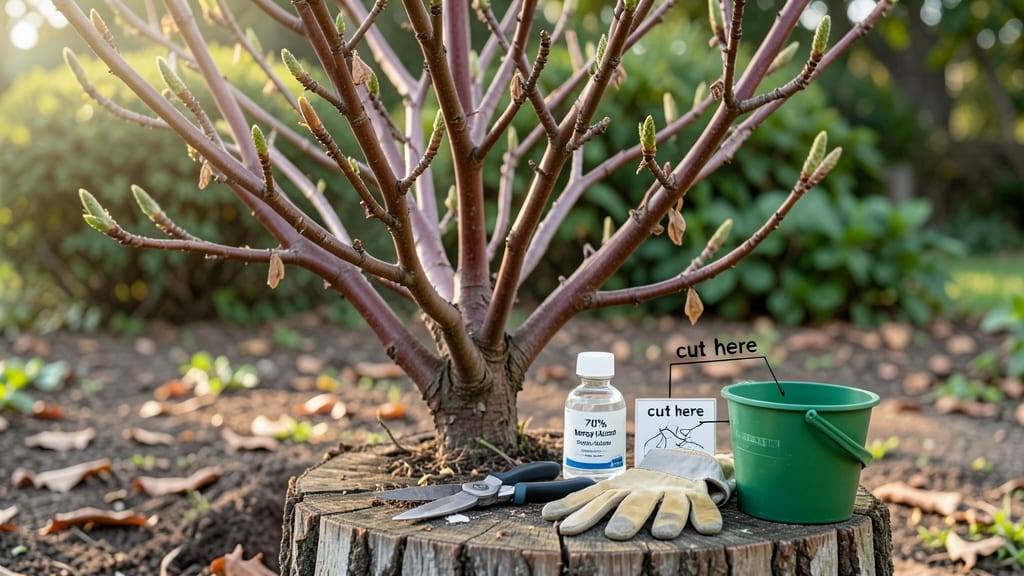
Pruning shrubs in late winter reveals their hidden potential—when you cut now, you're shaping next year's blooms and stronger growth. ✂️ I learned the hard way that timing matters: prune flowering shrubs after they bloom, but evergreens and non-flowering types thrive when dormant.
The key is removing dead wood first, then thinning to improve airflow.
Start with clean, sharp tools—bypass pruners for small branches, loppers for thicker stems, and a pruning saw for anything over an inch thick. Work from the bottom up, cutting just outside the branch collar, and never leave stubs.
For rejuvenation, remove up to a third of old wood to encourage fresh growth, but never take more than that in one season.
📚 In This Guide
- What you need
- Instructions
- Tips and common mistakes
- Wrapping up and next steps
What you need
- ○ Pruning shears: Bypass pruners (for clean cuts on small stems, ¼"–½" thick). Optional: Anvil pruners for thicker branches (½"–1"), but they can crush stems.
- ● Loppers: Long-handled bypass loppers (for branches ¾"–2" thick). Look for ratcheting or bypass types for precision.
- ● Pruning saw: Curved-tooth handsaw or folding pruning saw (for branches >2" thick). Sharpness is key!
- ○ Gloves: Heavy-duty gardening gloves (cut-resistant for thorns or rough canes). Optional: Nitrile-coated for extra grip.
- ● Disinfectant: Rubbing alcohol (70%+) or bleach solution (1 part bleach to 9 parts water) to sterilize tools between cuts and prevent disease spread.
- ● Extension pole: For hard-to-reach branches (attach loppers or pruners).
- ● Clean rags or paper towels: For wiping tools and hands.
- ● Marking twine or paint: To tag branches for removal (if pruning in stages).
- ● Safety goggles: If working with brittle or thorny shrubs (e.g., roses, pyracantha).
- ● Wheelbarrow or bucket: For collecting debris (especially if composting).
- ● Know your shrub: Research the specific pruning needs of your shrub (e.g., hydrangeas vs. boxwoods).
- ● Timing: Prune during dormant season (late winter/early spring) unless your shrub blooms on old wood (then wait until after flowering).
- ● Weather: Choose a dry, calm day to avoid spreading disease or making cuts in wet wood.
- ● Safety first: Wear closed-toe shoes and avoid pruning near power lines.
Step-by-step instructions for pruning shrubs in dormant season
Here's how I prune my shrubs every winter—clean cuts lead to fuller growth by spring.
✂️ Step 1: Gather the Right Tools and Safety Gear
Start with sharp, clean tools to avoid tearing bark or spreading disease. I use bypass pruners for small branches under ½ inch thick and a pruning saw for anything thicker. For larger shrubs, a loppers makes the job easier. Always wear thick gloves—thorns and rough branches don’t care about your hands.
Disinfect your tools with rubbing alcohol or a 10% bleach solution before and after pruning each shrub. This prevents spreading fungal spores from one plant to another. I keep a small spray bottle of diluted bleach (1 part bleach to 9 parts water) nearby for quick cleanups.
✂️ Step 2: Remove Dead, Diseased, or Weak Wood First
Scan the shrub for branches that are brown, mushy, or hollow—these are dead and need to go. Cut them back to the base of the shrub, making the cut at a 45-degree angle just outside the branch collar (the swollen area where the branch meets the trunk). This ensures the wound heals properly and water doesn’t pool inside.
Next, look for branches that cross or rub against each other. These often create wounds where disease can enter. Remove the smaller of the two branches at its point of origin. You’ll notice the shrub’s structure opens up, letting more light and air circulate—this is exactly what we want for healthier growth.
✂️ Step 3: Thin Out Overcrowded Branches for Better Airflow
Step back and assess the shrub’s overall shape. If branches are too dense, they block sunlight and air, inviting pests and disease. Select branches that grow inward or downward and cut them back to the branch collar. Aim to remove about 20-30% of the oldest wood—this rejuvenates the plant and encourages new growth from the base.
I focus on removing branches that are thinner than a pencil first, as these are often the oldest and least productive. For flowering shrubs, avoid cutting back more than ⅓ of the plant at once, or you might sacrifice next year’s blooms. Watch for the shrub’s natural shape—your goal is to enhance it, not drastically alter it.
✂️ Step 4: Shape and Maintain the Shrub’s Form
Now it’s time to refine the shrub’s shape. For formal hedges, use a hand pruner or hedge shears to trim the outer edges evenly. For natural-looking shrubs, step back frequently to check your progress. Cut just outside the branch collar to avoid leaving stubs, which can rot over time.
If the shrub has a central leader (a dominant upright branch), preserve it by removing competing branches that grow upward. For multi-stemmed shrubs, aim to create a balanced silhouette. I like to imagine the shrub as a vase—wide at the base, narrowing slightly toward the top, then flaring out again at the ends.
🌿 Step 5: Clean Up and Monitor for Recovery
After pruning, rake up all the debris and dispose of it in the trash—don’t compost diseased branches. This prevents reinfesting your garden. Water the shrub deeply if the dormant season has been particularly dry, as this helps the plant recover from the stress of pruning.
Over the next few weeks, keep an eye on the shrub for signs of new growth or stress. If you see excessive wilting or leaf drop, you may have pruned too aggressively. In that case, the shrub will bounce back slowly, but it’s a good reminder to take it easy next time. With proper pruning, you’ll see fuller, healthier growth by spring.
Tips & tricks for pruning shrubs like a pro
These simple yet game-changing tips will help you transform your dormant-season pruning from basic maintenance to a strategic boost for next year's growth.
Tool Sharpness is Non-Negotiable: I can't stress this enough—dull tools tear bark and damage plant tissue, making wounds more susceptible to disease. Before you start, test your bypass pruners by cutting a piece of paper; if it tears instead of cleanly slicing, sharpen them. A fine-toothed file works well for quick touch-ups. For larger branches, a pruning saw with a fine blade will give you cleaner cuts without crushing the wood.
The 45-Degree Angle Secret: When you make that critical cut just outside the branch collar in Step 2, the angle matters more than you might think. A proper 45-degree slope helps water run off the wound instead of pooling inside, which prevents rot. To practice, draw a line on paper at a 45-degree angle—this is your target. For branches thicker than your thumb, consider using a pruning saw to maintain this angle without tearing.
Visualize the Vase Shape: Step 4 becomes much easier when you think about shrub shape in terms of a vase. Start wide at the base with your thickest branches, narrow slightly in the middle, then flare out again toward the top. This natural taper allows light to penetrate all layers of the shrub. For flowering shrubs, focus on preserving the outermost branches—they'll produce next year's blooms, while inner branches can be thinned to improve air circulation.
Seasonal Timing Matters: While dormant-season pruning is ideal for most shrubs, timing within that window makes a difference. Prune on a dry day when temperatures are above freezing but below 50°F—this gives wounds time to heal before spring growth begins. Avoid pruning right before a hard freeze, as new growth can be damaged. I've learned this the hard way after seeing new shoots killed by late-season frosts!
Pro Tips for Prune Shrubs
- These simple yet game-changing tips will help you transform your dormant-season pruning from basic maintenance to a s...
- Tool Sharpness is Non-Negotiable: I can't stress this enough—dull tools tear bark and damage plant tissue, making wou...
- The 45-Degree Angle Secret: When you make that critical cut just outside the branch collar in Step 2, the angle matte...
Frequently asked questions
Got questions about pruning shrubs? You’re not alone! Here are some of the most common concerns—plus clear, actionable answers to keep your shrubs thriving.
When is the best time to prune shrubs?
For most shrubs, late winter or early spring—just before new growth starts—is ideal. This is called dormant-season pruning and helps avoid stressing the plant. Evergreens and flowering shrubs may have slightly different timings, so check your specific variety!
Can I prune shrubs in summer?
Summer pruning is possible, but it’s riskier. Heavy pruning during hot months can stress shrubs, leading to sunburn or pest issues. If you must prune, do it lightly and focus on shaping rather than major cuts. Wait until fall for a more aggressive trim.
What if I prune at the wrong time?
Don’t panic! Mistakes happen. If you prune too late (e.g., right before winter), protect cuts with a thin layer of pruning sealant. For early pruning (e.g., fall), avoid removing more than 25% of the shrub’s foliage. Most shrubs are resilient—just adjust your approach next season!
How do I prune flowering shrubs without killing the blooms?
Timing is everything! Prune after your shrub flowers (e.g., late spring for spring-bloomers like lilacs). For summer/fall bloomers (e.g., hydrangeas), prune in late winter. Always remove dead or weak stems first, then shape lightly. Avoid cutting back old wood—it’s where next year’s flowers form!
What if my shrub looks “hairy” after pruning?
Those fuzzy strands are likely stubborn stems or velvet mites. Trim them back to healthy wood with clean shears. If the issue persists, check for pests or disease. A light layer of mulch afterward can help the shrub recover faster and reduce stress.
| Quick Fixes | When to Use |
|---|---|
| Pruning sealant | Large cuts in late fall/winter |
| Light shaping | Summer maintenance |
| Deadheading spent blooms | Encouraging repeat flowering |
Wrapping up and next steps
Pruning shrubs in the dormant season is your secret weapon for healthier, bushier growth and stunning blooms—no green thumb required! 🌿 With the right tools, timing, and technique, you’ll transform your shrubs into thriving stars.
Remember: cut with confidence, clean up like a pro, and always reward yourself with a well-manicured yard that turns heads.
Ready to take the next step? Grab your pruners and schedule a pruning session—your shrubs (and future gardening adventures) will thank you! 🌟