
Pruning
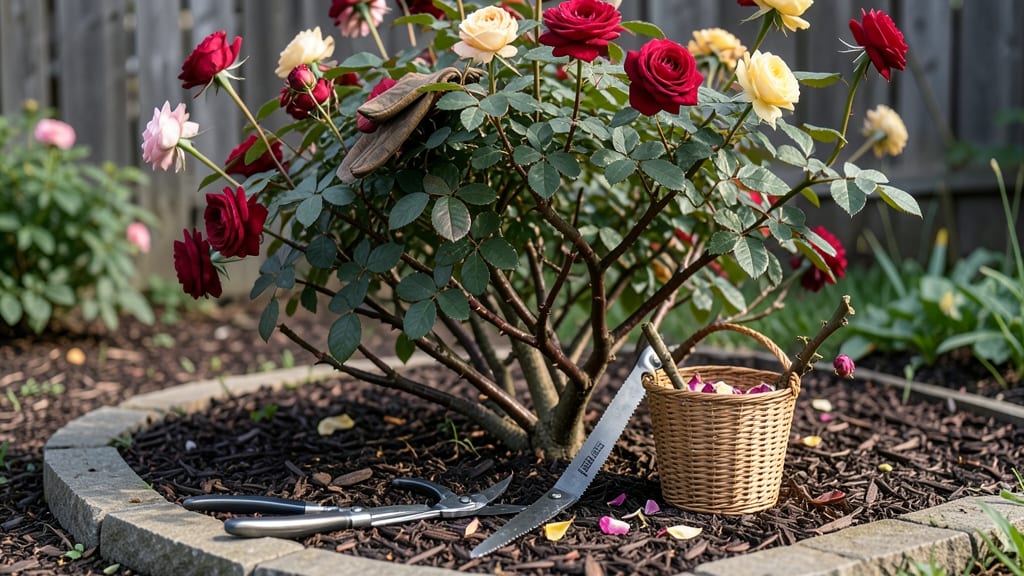
Summer pruning rose bushes isn’t just about cutting back—it’s about heat-resistant cuts that keep your roses blooming stronger through the hottest months. ✂️ I’ve learned the hard way that summer pruning demands a lighter touch than spring’s aggressive shaping.
Too much cutting stresses plants, while the right approach encourages fresh growth and prevents disease in humid heat. You’ll need sharp bypass pruners, rubbing alcohol for sterilizing cuts, and a clear morning to work when plants are hydrated. The goal?
Remove only spent blooms and crowded stems—never more than one-third of the bush at once. This keeps energy flowing to roots and remaining foliage, which is critical when temperatures climb above 85°F.
What you’ll end up with is a bush that stays compact, produces longer-lasting blooms, and recovers faster from summer pests. The secret is timing: prune right after a flush of flowers fades, and always cut just above an outward-facing leaf bud.
This encourages new growth that’s less prone to sunscald. For humid climates, avoid pruning in the afternoon to prevent fungal spores from settling on fresh cuts. And never prune during drought—wait until soil is moist. The payoff?
Roses that thrive through August and beyond, with fewer diseases and more vibrant color.
📚 In This Guide
- What you need
- Instructions
- Tips and common mistakes
- Wrapping up and next steps
What you need
- ● Bypass pruners: A sharp, high-quality pair (like Felco F-2 or Bypass Pruners by Corona) for clean cuts on smaller stems (1/4"–3/4" thick). Invest in a spare pair—rusty or dull blades can damage plants!
- ● Loppers: Heavy-duty loppers (e.g., Fiskars X7) for thicker branches (up to 2" diameter). Look for bypass or anvil styles with ergonomic grips for comfort.
- ● Pruning saw: A curved-tooth pruning saw (like Bahco) for stubborn, woody stems too thick for loppers. 10–12" blade length works best.
- ● Garden gloves: Thick, cut-resistant gloves (e.g., Southwest Seed Co.) to protect hands from thorns and debris.
- ● Disinfectant: 70% isopropyl alcohol or a pruning sealant (like Tanglefoot Pruning Seal) to sterilize tools between cuts and prevent disease spread.
- ● Rubbing alcohol wipes: For quick tool cleaning on the go.
- ● Tarp or bucket: To collect pruned branches and debris (bonus points for a compost bin nearby!).
- ● Plant tie or twine: For securing heavy stems after pruning (especially for climbing roses).
- ● Safety glasses: If your roses are extra thorny or you’re working in bright sunlight.
- ● Hose or water spray: To rinse tools and clean up sap/sticky residue.
- ● Timing: Prune on a cool, overcast morning or late afternoon to avoid stressing the plant in peak summer heat. Early July or August is ideal for most roses.
- ● Weather check: Avoid pruning if rain is forecasted within 24 hours—wet cuts can invite fungal issues.
- ● Plant health: Skip pruning if your rose bush shows signs of severe disease (e.g., black spot, powdery mildew) or pests like aphids. Treat first!
Step-by-Step instructions for pruning rose bushes in summer
Here's how I prune roses in summer to keep them blooming strong through the heat.
✂️ Step 1: Remove Dead, Diseased, or Damaged Wood
Start by inspecting your rose bush for any stems that are brown, mushy, or showing signs of disease like black spots or powdery mildew. These should be cut back to healthy green wood immediately—never leave dead wood on the plant, as it can harbor pests and diseases that spread during summer's warmth.
Use clean, sharp pruners to make your cuts at a 45-degree angle, about ¼ inch above a bud that faces outward. This ensures water runs off the cut and new growth heads away from the center of the bush. If you see any suckers (shoots growing from the base or roots), snip those off too—they drain energy from your main plant.
✂️ Step 2: Thin Out Crowded Canes
Next, focus on the bush's structure. Roses need good airflow to stay healthy, especially in summer's heat. Look for canes that are crossing or rubbing against each other—these create wounds where disease can enter. Remove any that are thinner than a pencil or growing inward, cutting them back to the base if needed.
For hybrid teas and floribundas, aim to leave 3-5 strong canes per bush. Grandifloras and shrub roses can handle more—up to 7-9 canes—but always prioritize healthy, outward-facing stems. You'll see the difference in just a few weeks as new blooms emerge stronger and more abundant.
✂️ Step 3: Trim Back Overly Long Stems
Now, look for stems that have grown too long or leggy. These often produce fewer blooms and can flop over in summer's heat. Cut back these stems by about one-third, making your cuts just above a strong outward-facing bud. This encourages bushier growth and more flowers.
If you see any stems with spent blooms (those that have already flowered), cut them back to the nearest 5-leaflet leaf or the first outward-facing bud below it. This redirects the plant's energy to new growth and future blooms. Avoid cutting into old wood—you'll know it's too old if it's woody and doesn't have any green growth.
✂️ Step 4: Lighten Up the Center
The heart of your rose bush is where most problems start—crowded centers trap moisture and block airflow, inviting disease. Use your pruners to open up the center by removing any inward-growing stems or weak, spindly growth. Focus on creating an open, vase-like shape that allows sunlight and air to circulate freely.
This step is especially important for climbers and ramblers. If your rose is climbing a trellis, prune to encourage strong lateral branches that will support more blooms. You'll notice the difference immediately—your rose will look fuller and healthier, with fewer bare spots in the center.
💧 Step 5: Clean Up and Protect Your Cuts
After pruning, take a moment to clean up any fallen leaves or debris from around the base of the bush. This reduces the risk of fungal diseases like black spot, which thrive in humid summer conditions. Dip your pruners in a 10% bleach solution (1 part bleach to 9 parts water) between cuts to prevent spreading disease.
Finally, apply a thin layer of mulch around the base of the bush (but not touching the stem) to retain moisture and keep roots cool. Water deeply right after pruning to help the plant recover. You'll see new growth within 2-3 weeks, and your rose will be better prepared to handle summer's heat and produce more beautiful blooms.
Tips & tricks for pruning rose bushes in summer
Summer pruning is where you'll see the biggest payoff for your roses—here's how to make every cut count.
Tool Prep is Everything: Before you even touch a stem, sterilize your pruners with rubbing alcohol or the 10% bleach solution mentioned in Step 5. I learned this the hard way after pruning healthy roses and accidentally spreading black spot to perfectly good stems. Sharp pruners also make all the difference—dull blades crush stems instead of cleanly cutting them, which stresses the plant. Test your pruners by cutting a piece of paper; if it tears, your blades need sharpening.
Bud Direction Matters: That ¼-inch cut above an outward-facing bud in Step 1 isn't just arbitrary—it's the secret to bushier growth. Think of your rose like a fountain: you want water (and air) to flow outward, not get trapped in the center. When making cuts, imagine drawing a line from the bud outward through the plant. If your cut faces inward, you'll end up with a dense, disease-prone center. For climbers, this principle is even more critical—always cut to encourage lateral branches that will support more blooms.
Visual Cues for Healthy Wood: When deciding what to cut, trust your eyes more than the calendar. Healthy green wood should snap when bent slightly, while dead wood will break with a dry, papery sound. For spent blooms in Step 3, look for the first outward-facing bud below the 5-leaflet leaf—this is your target. If you can't see any buds, cut back to a point where you can clearly see green growth emerging. The goal is to encourage new growth from the base outward, not from old, woody stems that won't produce many flowers.
Timing Your Post-Pruning Care: That 2-3 week window for new growth in Step 5 is your best friend—don't rush it! After pruning, wait at least 48 hours before applying fertilizer. The fresh cuts need time to heal, and fertilizer can burn tender new growth. Instead, focus on deep watering (1-2 inches per week) and keeping the mulch moist but not soggy. I've seen roses recover beautifully from even aggressive pruning when given this recovery time, while others struggle when pushed too hard too soon.
Pro Tips for Prune Rose Bushes In Summer
- Summer pruning is where you'll see the biggest payoff for your roses—here's how to make every cut count.
- Tool Prep is Everything: Before you even touch a stem, sterilize your pruners with rubbing alcohol or the 10% bleach solution mentioned in Step 5.
- Bud Direction Matters: That ¼-inch cut above an outward-facing bud in Step 1 isn't just arbitrary—it's the secret to bushier growth.
Frequently asked questions
Got questions about summer pruning? You’re not alone! Here are answers to the most common concerns—so you can prune with confidence and keep your roses thriving.
Can I prune roses in summer without hurting them?
Yes! Summer pruning is safe if done correctly. Focus on deadheading (removing spent blooms) and light trimming to encourage new growth. Avoid heavy cuts—stick to shaping and removing no more than 1/3 of the bush at a time. Hydrate your roses well before and after pruning to reduce stress.
What’s the best time of day to prune roses in summer?
Prune in the early morning or late afternoon when temperatures are cooler. This helps roses recover faster and reduces the risk of heat stress. Avoid midday pruning, especially on scorching days—your roses will thank you with fewer wilting leaves and stronger regrowth!
Should I sterilize my pruners between cuts?
Sterilizing your pruners with rubbing alcohol or a 10% bleach solution between cuts prevents the spread of rose diseases like black spot or powdery mildew. Wipe blades clean after each snip, especially if you’re working with multiple bushes or switching between healthy and diseased plants.
What do I do if my roses look stressed after summer pruning?
If your roses wilt or drop leaves post-pruning, don’t panic! Provide deep watering at the base (not overhead) and shade them from intense sun for a day or two. Avoid fertilizing immediately—let them recover for 2–3 weeks before feeding. Most roses bounce back within a week with proper care.
Can I use hedge trimmers instead of pruners for summer pruning?
While hedge trimmers work for light shaping, they’re not ideal for precise summer pruning. Pruners give you better control to remove specific blooms or stems without damaging the bush. If you must use trimmers, take it slow and avoid crushing stems—opt for clean, angled cuts instead.
Wrapping up and next steps
Pruning your rose bushes in summer isn’t just about trimming—it’s about boosting their health, encouraging lush blooms, and preparing them for the heat. By following the right techniques (like deadheading, thinning, and shaping), you’ll keep your roses thriving while minimizing stress. 🌸
Now that you’re armed with the know-how, grab those shears and get pruning! Start with just one bush to build confidence, then expand your skills. Before you know it, your garden will be a fragrant, vibrant paradise—all thanks to your summer pruning prowess. Happy gardening! 🌿