
Pruning
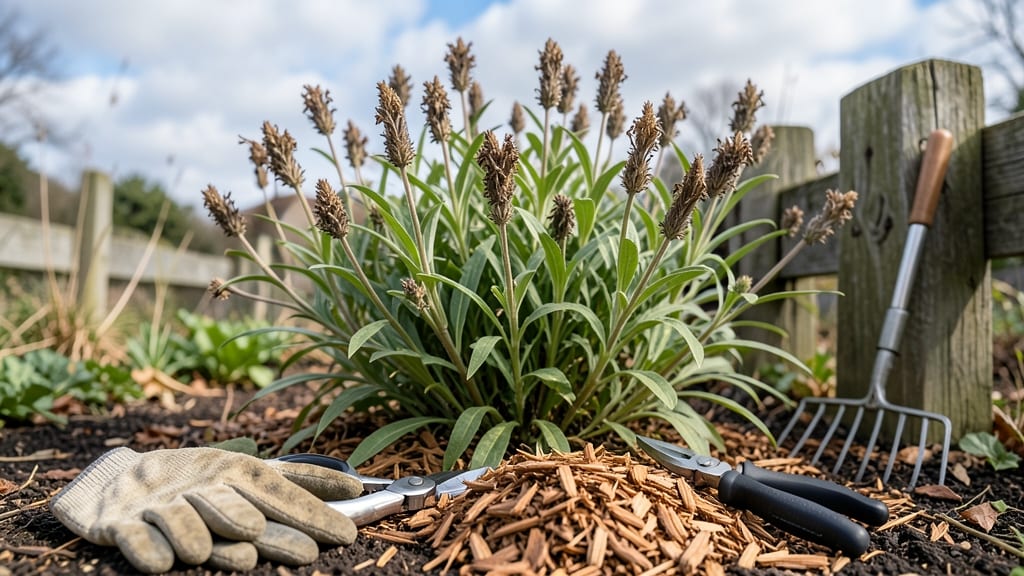
Pruning phlox for winter isn’t just about cleanup—it’s how you guarantee next year’s showstopping blooms before the first frost. ✂️ I’ve learned the hard way that skipping this step means leggy stems and half the flowers by midsummer, but doing it right transforms your garden from "pretty" to "wow."
The key is timing: prune after the first hard freeze but before the ground freezes solid—typically November through January in most zones. Grab clean, sharp pruners (dull blades crush stems) and cut back one-third of the plant’s height, removing dead or diseased stems completely.
This isn’t about drastic cuts; it’s about shaping for next season’s growth. You’ll wake up to neater clumps, fewer pests hiding in old growth, and stems that burst with fresh color by spring.
The mulch you add afterward seals the deal—protecting roots while keeping soil temps stable for those early shoots. Works for both garden phlox and creeping varieties, and the same principles apply whether you’re in Zone 5 or Zone 8. Let’s get those stems trimmed!
📚 In This Guide
- What you need
- Instructions
- Tips and common mistakes
- Wrapping up and next steps
What you need
- ● Pruning shears or bypass pruners – Sharp, clean, and sterilized (choose 5-inch blades for larger stems or 3-inch blades for finer cuts). Quantity: 1 pair.
- ● Garden gloves – Durable, cut-resistant (nitrile-coated for grip). Quantity: 1 pair.
- ● Disinfectant (70% isopropyl alcohol or bleach solution) – 1 part bleach to 9 parts water to sterilize tools between cuts and prevent disease spread.
- ○ Garden twine or burlap strips – For tying up stems (optional but helpful for heavy phlox varieties). Quantity: Small roll or pre-cut strips.
- ● Rake or leaf blower – To clear debris after pruning.
- ● Compost bin or bag – For disposing of pruned stems (avoid composting if stems show signs of disease).
- ● Loppers – For thicker stems (if your phlox has woody growth).
- ● Hand pruners with ergonomic grips – For comfort during long sessions.
- ● Knee pads – If you’re pruning large patches.
- ● Plant markers or labels – To identify varieties if you’re organizing your garden.
- ● Mulch (straw or shredded leaves) – To protect the base after pruning.
Step-by-step guide for pruning phlox before winter
Here's the straightforward method I use every fall to keep my phlox blooming bigger and healthier next spring.
✂️ Step 1: Wait for the Right Time to Prune
Never prune phlox until after the first hard frost has blackened the foliage. This signals the plant to stop growing for winter. If you prune too early, you'll encourage new growth that won't survive freezing temperatures. I wait until late fall when the leaves have turned brown and crispy—usually 4-6 weeks after your first frost date.
Check your local frost dates if you're unsure. Pruning too late in winter can expose tender new shoots to cold damage. The goal is to clean up the garden while protecting the crown from harsh winds and snow. You'll know it's time when the stems feel woody and the leaves crumble easily between your fingers.
✂️ Step 2: Cut Back to the Right Height
Use clean, sharp pruners to cut back the stems to 2-3 inches above the ground. This height protects the plant's crown from winterkill while allowing new growth to emerge quickly in spring. I like to make the cuts at a slight angle to prevent water from pooling on the stem.
Don't worry about being precise—phlox is forgiving. The key is removing all the dead foliage while leaving enough stem to shield the crown. If you're unsure where the crown starts, gently brush away the soil with your fingers until you see the woody base. This helps you judge exactly where to make your cut.
✂ Step 3: Remove Debris and Apply Mulch
After pruning, rake up and dispose of all the cuttings to prevent disease from overwintering in the garden. Phlox can be susceptible to powdery mildew, so removing debris is crucial. I like to compost the prunings if they're disease-free.
Spread a 2-3 inch layer of mulch around the base of the plant, keeping it 2-3 inches away from the stems to prevent rot. Use shredded leaves, straw, or pine needles. This mulch layer acts like a blanket, protecting the crown from extreme temperature fluctuations. In very cold climates, you might want to add an extra layer of mulch for added insulation.
🌱 Step 4: Water Before the Ground Freezes
Give your phlox a deep watering about 1-2 weeks before the ground freezes. This helps establish moisture in the soil that will slowly become available to the plant as it wakes up in spring. Water until the soil is moist 6-8 inches deep—you can check this by inserting a screwdriver into the ground.
Don't overwater, though. The goal is to moisten the soil, not create soggy conditions. If your area gets heavy snowfall, the weight of the snow will provide additional moisture. In drier climates, you might need to water again in early spring before new growth appears.
☀️ Step 5: Monitor and Adjust for Next Year
In early spring, when you see new growth emerging, it's time to assess your pruning job. Healthy phlox will have strong, upright stems with vibrant green leaves. If you notice any dead or diseased stems, remove them immediately to prevent the problem from spreading.
Here's the thing—if your phlox blooms are getting smaller each year, it might be time to divide and replant. I divide my phlox every 3-4 years in early spring to rejuvenate the plants. This simple step can make a huge difference in the size and vigor of next year's blooms.
Tips & tricks for pruning phlox before winter
These little details make all the difference between phlox that thrives and phlox that struggles next spring.
Timing is Everything: I can't stress this enough—wait until the foliage is completely brown and crispy, not just wilted. The 4-6 week window after your first frost is your sweet spot. If you prune too early, you risk encouraging tender new growth that won't survive winter. If you wait too late, you might accidentally cut off next year's buds hiding beneath the dead foliage. The perfect time is when you can easily crumble the leaves between your fingers and the stems feel woody to the touch.
Pruning Precision: When cutting back to 2-3 inches above ground, make your cuts at a slight angle—this prevents water from pooling on the stem, which could lead to rot. I like to use clean, sharp pruners and make one smooth cut rather than multiple snips. If you're unsure where the crown starts, gently brush away some soil with your fingers until you see the woody base. This helps you judge exactly where to make your cut without guessing.
Mulch Like a Pro: The 2-3 inch layer of mulch you spread around the base isn't just decoration—it's insulation. I use shredded leaves because they break down slowly, providing continuous protection. Keep the mulch 2-3 inches away from the stems to prevent rot. In particularly cold climates, consider adding an extra layer of mulch or even a light covering of evergreen boughs for added insulation. This extra step can make a huge difference in how well your phlox survives the winter.
Watering Wisdom: That final deep watering 1-2 weeks before freeze-up is crucial, but don't overdo it. The goal is to moisten the soil 6-8 inches deep—you can check this by inserting a screwdriver. If it goes in easily, you're good. If it meets resistance, water a bit more. This moisture will slowly become available to the plant as it wakes up in spring. In drier climates, you might need to water again in early spring before new growth appears, but this second watering is optional and depends on your local conditions.
Pro Tips for Prune Phlox For Winter
- These little details make all the difference between phlox that thrives and phlox that struggles next spring.
- Timing is Everything: I can't stress this enough—wait until the foliage is completely brown and crispy, not just wilted.
- Pruning Precision: When cutting back to 2-3 inches above ground, make your cuts at a slight angle—this prevents water from pooling on the stem, which could lead to rot.
Frequently asked questions
Got questions about pruning phlox for winter? You’re not alone! Here are some of the most common concerns—and straightforward answers—to help you tackle the task with confidence.
When is the exact best time to prune phlox for winter?
The ideal window is late fall to early winter, after the first hard frost (when foliage turns brown or dies back). For most regions, this means November through January. If you’re in a mild climate, wait until February to avoid encouraging new growth too early. Pro tip: Never prune in spring—it can harm the plant’s blooming cycle!
What if I miss the fall/winter pruning window? Can I still do it?
Yes! If you skip fall/winter, prune in early spring (March or April), just as new shoots emerge. Cut back stems to 2–3 inches above the ground, but avoid pruning too late in spring—this can delay or reduce flowering. Note: Perennial phlox (like Phlox paniculata) is more forgiving than annuals, so don’t stress if timing slips!
How short can I cut phlox stems? Will it survive?
For perennial phlox, cut stems down to 2–4 inches above the soil line. This encourages strong, bushy regrowth next year. Annual phlox (like Phlox drummondii) can be pruned to 1 inch above the ground. Never cut into woody stems—this can kill the plant. If you’re unsure, err on the side of leaving 1–2 inches of stem!
What if my phlox looks dead after pruning? Is it actually dead?
Don’t panic! Phlox often looks barely alive after winter pruning, but it’s just dormant. Look for green shoots or buds in early spring—if they appear, your plant is fine. If nothing sprouts by late spring, the phlox may have died from rot, pests (like Japanese beetles), or extreme cold. Replace it next year if needed!
Does pruning affect next year’s flower color or size?
Pruning doesn’t change flower color, but proper timing and technique can boost bloom size and abundance! Cutting back old stems removes last year’s spent blooms and redirects energy to new, healthier growth. For larger blooms, avoid over-fertilizing after pruning—focus on balanced soil health instead.
Can I reuse the pruned phlox stems for anything?
Dry the stems
and use them in winter arrangements or as natural mulch around other plants. You can also compost the clippings (unless diseased). For a creative touch, weave them into wreaths or use them as seed-starting markers in your garden!
Wrapping up and next steps
Pruning your phlox for winter is the secret to vibrant, healthy blooms next season—it’s all about timing, technique, and a little TLC. 🌸 By cutting back after the first frost and removing dead or diseased stems, you’re setting the stage for stronger growth and fewer pests.
Don’t let winter pruning feel overwhelming; think of it as a gift to your garden for the year ahead!
Now that you’re armed with the know-how, grab those shears and get pruning! 🌿 For extra confidence, snap a photo of your phlox before and after—you’ll love tracking the transformation.
Ready to make next year’s garden even more stunning? Check out our guide on fertilizing phlox for spring blooms to keep the momentum going!