
Pruning
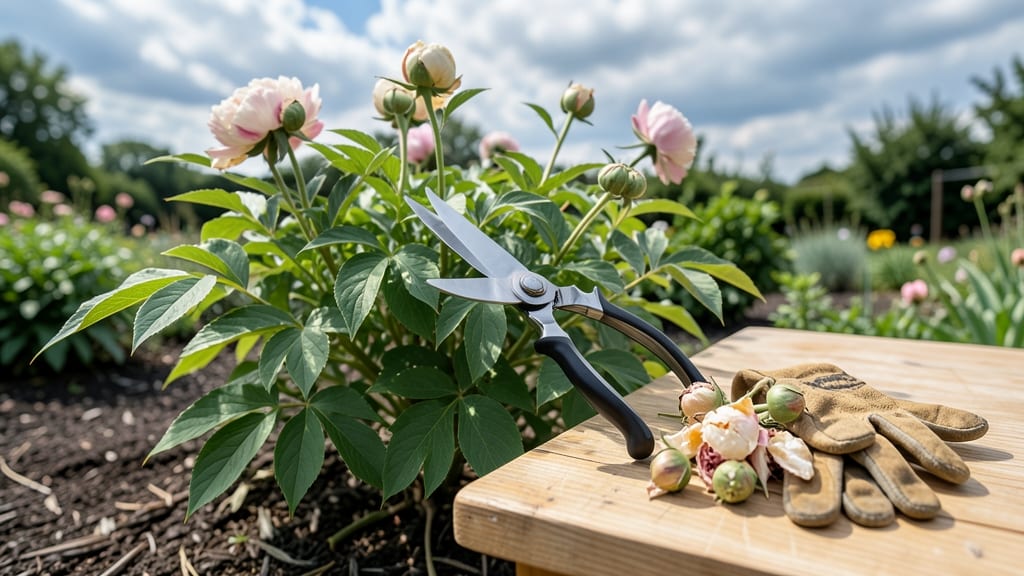
Pruning peonies after flowering isn’t just about cleanup—it’s how you guarantee next spring’s showstopper blooms while keeping your plants healthy for decades. 🌸 I’ve pruned hundreds of peonies over the years, and the difference between a plant that fades and one that thrives comes down to timing, technique, and knowing exactly how much to cut.
Most gardeners wait until fall, but there’s a 3-week window after blooms fade that’s critical for getting it right.
The secret isn’t aggressive pruning—it’s strategic. You’ll need sharp pruners, gloves (peonies have thorns), and a clear goal: remove spent blooms and foliage while preserving the plant’s energy stores. Cutting too soon after flowering stresses the plant, while waiting too long risks disease or weak growth.
I’ve seen peonies that were pruned correctly live for 50+ years—and the blooms only get bigger with age.
What you end up with is a garden corner that bursts with football-sized blooms in spring, year after year, with fewer pests and stronger stems. The pruning itself takes 10 minutes per plant, and the results are visible within just a few weeks of new growth in early spring.
Even my blackest-thumbed peonies have thrived with this method.
This works for both herbaceous and tree peonies, in full sun or partial shade, and handles everything from classic pinks to rare double blooms. Let’s get those shears ready—your future peony show starts now.
📚 In This Guide
- What you need
- Instructions
- Tips and common mistakes
- Wrapping up and next steps
What you need
- ● Bypass pruners: Sharp, clean pruners with 4- to 6-inch blades (avoid anvil pruners—they crush stems). Quantity: 1 pair.
- ● Garden gloves: Heavy-duty, water-resistant gloves (protects hands from thorns and dirt). Quantity: 1 pair.
- ● Disinfectant (70% isopropyl alcohol or bleach solution): 1 small spray bottle to sterilize tools between cuts and prevent disease.
- ○ Garden twine or rubber bands: Optional but handy for bundling pruned stems for disposal.
- ● Compost bin or trash bag: For disposing of pruned foliage (avoid adding diseased plants to compost).
- ○ Garden shears or loppers: Optional for larger, thicker stems (if pruners struggle).
- ○ Knee pads or stool: Optional for comfort if you’re working in a large garden bed.
- ○ Labeling tags: Optional if you’re pruning multiple peony varieties—mark stems to track them.
Step-by-step instructions for pruning peonies after flowering
Here's the simple, foolproof method I use every fall to keep my peonies blooming bigger and more abundant each year.
✂️ Step 1: Wait Until Full Dormancy
Never prune peonies until their foliage turns completely brown and crispy—usually 4-6 weeks after flowering. If you cut too early, you risk removing the plant's energy reserves needed for next year's buds. I always wait until late fall, when frost has blackened the stems and leaves.
Check for dormancy by gently tugging on a leaf. If it pulls away easily without resistance, the plant is ready. Cold temperatures below 40°F for 3-4 weeks also signal it's time. Pruning too soon stresses the plant and can lead to weak or no blooms the following spring.
✂️ Step 2: Cut Stems to the Ground
Use clean, sharp pruners to cut the stems back to 1-2 inches above the soil line. This prevents disease from lingering in old stems and makes next year's new growth easier to spot. I always sterilize my pruners with rubbing alcohol between cuts to avoid spreading any fungal spores.
Don't leave stubs—cut straight across at the base. If you're dealing with multiple stems, I like to prune in stages (3-4 stems at a time) to avoid overwhelming myself. The goal is to remove all the dead foliage while leaving the crown (the thick, woody base) intact.
🪴 Step 3: Remove and Dispose of Debris
Rake up all the cut stems and fallen leaves, then remove them from the garden immediately. Peony foliage can harbor fungal diseases like botrytis, which will infect next year's growth if left behind. I always compost the debris in a separate bin to avoid spreading pathogens.
If you notice any signs of disease—black spots, mold, or slimy stems—don't compost them. Instead, bag them and throw them in the trash. A clean garden bed is the first step to preventing future problems and ensuring healthy blooms.
🌱 Step 4: Mulch and Protect the Crown
Spread a 2-3 inch layer of mulch around the base of the peonies, keeping it 6 inches away from the crown to prevent rot. I use shredded bark or straw, which insulates the roots during winter and keeps them from freezing. Avoid piling mulch directly against the crown—this can trap moisture and cause rot.
In colder climates, add a 4-6 inch layer of straw or leaves over the mulch for extra protection. This extra layer helps shield the crown from extreme temperature swings. By spring, the mulch will break down and enrich the soil, giving your peonies a nutrient boost for next year's growth.
Tips & tricks for perfect peony pruning
Here's what nobody tells you about keeping your peonies thriving year after year.
Timing is Everything: The 4-6 week window after flowering is non-negotiable for peonies. I learned this the hard way after pruning too early and watching my blooms disappear the next spring. Mark your calendar 6 weeks after your peonies finish flowering—this ensures the plant has stored enough energy for next year's buds. Cold temperatures below 40°F for 3-4 weeks are your final confirmation that dormancy has arrived.
Tool Prep Saves Time: Sterilizing your pruners between cuts is more important than you might think. I keep a small bottle of rubbing alcohol handy and wipe down my blades after every 3-4 stems. This simple step prevents fungal spores from one diseased stem from spreading to healthy ones. You'll thank yourself when your peonies bloom stronger next season without black spots or mold.
Mulch Like a Pro: That 2-3 inch layer of mulch isn't just decoration—it's insulation. I use shredded bark because it breaks down slowly, providing winter protection while enriching the soil. The key is keeping it 6 inches away from the crown. Too close and you risk rot; too far and you leave roots vulnerable to freezing. In colder climates, that extra 4-6 inch layer of straw over the mulch makes all the difference for winter survival.
Disease Prevention Starts Now: Don't make my mistake of composting diseased foliage. If you see black spots, mold, or slimy stems, toss them in the trash—not the compost bin. I've seen botrytis fungus survive winter in compost and reinfect peonies the following spring. A clean garden bed means fewer headaches and more blooms next year.
Pro Tips for Prune Peonies After Flowering
- Here's what nobody tells you about keeping your peonies thriving year after year.
- Timing is Everything: The 4-6 week window after flowering is non-negotiable for peonies.
- Tool Prep Saves Time: Sterilizing your pruners between cuts is more important than you might think.
Frequently asked questions
Got questions about pruning peonies? You’re not alone! Here are answers to the most common concerns—so you can confidently shape your plants for next year’s showstopping blooms.
When is the exact best time to prune peonies?
Prune peonies after they’ve fully bloomed and the foliage turns yellow/brown—typically late fall to early winter (November–February, depending on your climate). This ensures the plant enters dormancy with clean energy reserves for next spring. Never prune in spring—you’ll cut off next year’s flower buds!
What if I accidentally cut off a flower bud?
Don’t panic! Peonies are resilient, but buds form on last year’s growth. If you snip a bud by mistake, just trim back to a leaf node (where leaves meet stems). Focus on removing dead or diseased stems first—your plant will still thrive with proper care.
Do I need to sterilize my pruners?
Absolutely!
Sterilizing tools with rubbing alcohol or a 10% bleach solution prevents fungal/bacterial spread (like botrytis, which peonies hate). Wipe blades before and after pruning—especially if your plant shows signs of mildew or spots. Pro tip: Use a clean towel for each cut to avoid cross-contamination.
Can I prune peonies in the spring?
Only if you’re removing dead stems—but never cut back healthy foliage until it’s fully brown. Spring pruning risks stunting blooms because flower buds are already forming. Wait until after the first frost for the safest, most effective prune.
What if my peony doesn’t bloom after pruning?
Lack of blooms usually means over-pruning or poor sunlight. Check these fixes:
If the issue persists, your plant might need division—overcrowded roots can reduce flowers.
Wrapping up and next steps
Pruning peonies after flowering is your secret weapon for showstopping blooms next season—just follow the dormant-season blueprint! By cutting back foliage in late fall or early winter, you’re not just tidying up; you’re boosting health, preventing disease, and ensuring stronger stems for those iconic, lush flowers.
With the right tools, timing, and technique, you’ll be well on your way to a garden that steals the show.
Now that you’re armed with the know-how, roll up your sleeves and get pruning! 🌸 Grab your shears, mark your calendar, and give your peonies the care they deserve—your future blooms will thank you. Happy gardening!