
Pruning
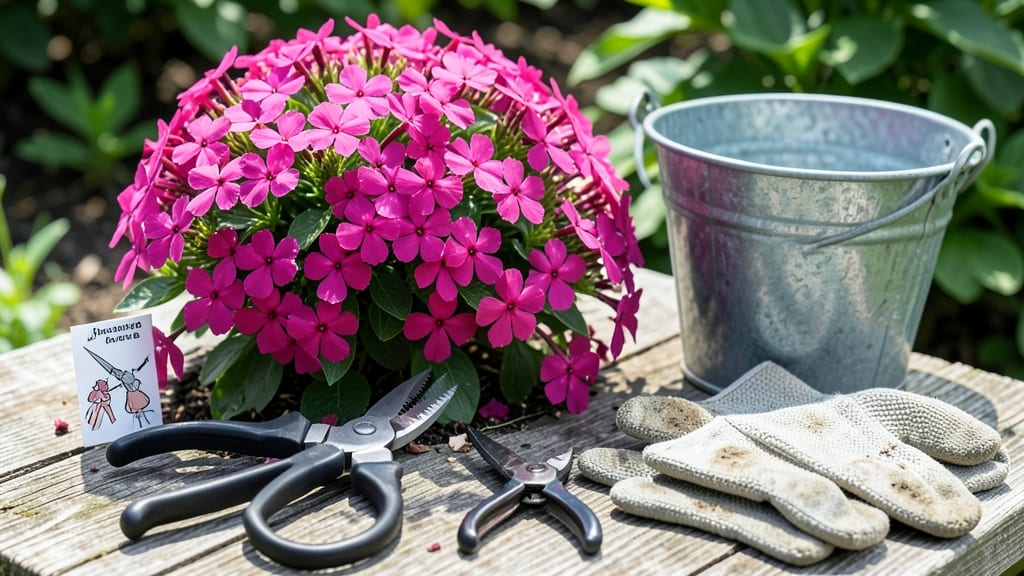
Pruning pentas isn’t just about keeping it tidy—it’s the secret to exploding summer blooms. 🌸 I’ve watched leggy, sparse plants transform into bushy, flower-covered powerhouses with just three strategic cuts, and the best part?
You don’t need a green thumb to do it right. The key is timing, technique, and knowing where to stop before you strip the plant bare.
Start your pruning in early spring (just as new growth appears) and again after the first flush of summer blooms fades. Grab sharp pruners and cut back one-third of the plant’s height, focusing on leggy stems and crossing branches.
This isn’t about perfection—it’s about encouraging the plant to branch out and fill in, so you end up with a fuller shape and more flowers than you’d expect from a single season.
After pruning, your pentas will bounce back faster than you think. Within 2-3 weeks, you’ll see fresh, vibrant green growth pushing from the center, and by mid-summer, those classic star-shaped flowers will cover the plant like confetti.
The trick is to avoid cutting into old wood (the woody stems) unless you’re rejuvenating a truly overgrown plant—stick to the softer, newer growth for the best results.
Common mistakes? Pruning too late in the season (after frost) or shearing instead of cutting selectively. Shearing turns pentas into a dense, unflowering mess, while late pruning gives the plant no time to recover before winter.
With these simple cuts, you’ll have a plant that looks neat, thrives, and blooms like crazy—all while avoiding the stress of over-pruning.
📚 In This Guide
- What you need
- Instructions
- Tips and common mistakes
- Wrapping up and next steps
What you need
- ● Sharp bypass pruners (1 pair) – Look for bypass pruners (not anvil-style) with a 5-6 inch blade for clean cuts.
- ● Hand pruners or small shears (1 pair) – For delicate trimming of smaller stems (1/4" to 1/2" thick).
- ● Disinfectant (rubbing alcohol or bleach solution) – 1 part bleach to 9 parts water to sterilize tools and prevent disease.
- ○ Gloves (optional but recommended) – Garden gloves (nitrile or leather) to protect hands from thorns or sap.
- ● Pruning saw (if needed) – Only for thick, woody stems (rare in Pentas but useful for mature plants).
- ● Bucket or trash bag – For collecting pruned debris (1-2 gallons capacity).
- ● Horticultural oil or beeswax – To condition blades and extend pruner life.
- ● Plant food or fertilizer – Balanced 10-10-10 or bloom booster (e.g., Miracle-Gro) to encourage regrowth.
- ● Spray bottle with water – To mist leaves and reduce stress during pruning.
- ○ Pruning sealant (optional) – For large cuts (e.g., wound dressing) to prevent infection.
- ● Notebook & pen – To sketch your plant’s shape before pruning for reference.
Step-by-step instructions for pruning pentas
Here's the straightforward method I use to keep my pentas blooming like crazy all season long.
✂️ Step 1: Time Your First Cut After Initial Blooms
Wait until your pentas finishes its first big flush of flowers and the stems begin looking tired. You'll notice the blooms slowing down and some stems turning woody. This is your signal to prune—usually about 6-8 weeks after planting or when you see 50% of stems with faded flowers. Never prune when flowers are still fresh; you'll sacrifice that season's display.
Grab your clean, sharp pruners and make your first cut just above a set of healthy leaves or a leaf node—this is where new growth will sprout. I like to cut back about one-third of the plant's height at this stage. This encourages bushier growth and more flowers later. If your plant is leggy, you can trim even more aggressively, but don't remove more than half the plant at once.
✂️ Step 2: Deadhead and Shape During the Growing Season
Once your pentas starts reblooming, get into the habit of deadheading regularly. Simply pinch or snip off the spent flower clusters just above the next set of leaves. This keeps the plant looking tidy and redirects energy into producing new blooms instead of seed pods. I do this every 3-4 days during peak bloom time—it takes about 5 minutes per plant and makes a huge difference.
While you're deadheading, take a moment to shape the plant. Pentas naturally grows bushy, but sometimes stems get uneven or leggy. Trim any stems that are growing too long or looking sparse. Cut at a 45-degree angle just above a leaf node to encourage branching. You'll see new growth filling in within 2-3 weeks—that's your reward for keeping up with maintenance.
✂️ Step 3: Give a Late-Season Haircut Before Winter
When fall arrives and your pentas starts winding down, give it one last prune about 4-6 weeks before your first expected frost. Cut back the entire plant by half its height, again just above leaf nodes. This helps the plant focus its energy on root development and prepares it for dormancy. If you're in a warm climate where pentas stays green year-round, you can skip this step entirely.
After pruning, give your plant a light fertilizer to help it recover. I use a balanced 10-10-10 formula at half strength. Water deeply to help the plant adjust to its new shape. In most climates, your pentas will come back stronger in spring, often blooming even more prolifically than the year before.
✂️ Step 4: Clean Up and Store (If Needed)
If you're in a cold climate where pentas dies back completely in winter, cut the stems back to 2-3 inches above the soil. Remove any dead or diseased foliage and dispose of it in the trash—not the compost—since pentas can carry fungal issues. If you're growing in containers, you can bring the pot indoors to a sunny windowsill or under grow lights during winter.
Here's the thing—if you live in a mild winter zone, you can leave your pentas in the ground year-round. Just give it a light trim in early spring to remove any dead growth. The plant will thank you with fresh new shoots and blooms within 4-6 weeks. Pentas is incredibly forgiving, so don't stress if you miss a pruning window—it'll bounce back.
Tips & tricks for pruning pentas
Here's what nobody tells you about keeping your pentas thriving—these small adjustments make all the difference.
Timing Secret: The 6-8 week window for your first cut is critical because it allows your pentas to complete its initial flowering cycle. I've seen gardeners rush this and end up with sparse regrowth. Watch for those woody stems and faded blooms—those are your visual cues. If your plant is in full bloom, wait it out. The patience here pays off with a second flush of flowers that often outshines the first.
Tool Technique: Your pruners should be as sharp as a chef's knife—dull blades crush stems instead of making clean cuts. I sterilize mine with rubbing alcohol between plants to prevent spreading any potential diseases. For those 45-degree angle cuts in Step 2, imagine you're slicing a slice of pizza—this angle helps water run off better and encourages new growth. A small investment in good pruners makes all the difference in how your plant responds.
Seasonal Strategy: That late-season haircut before winter is your plant's chance to reset. In colder climates, cutting back to 2-3 inches above soil mimics nature's winter pruning. For container plants, bringing them indoors gives you control over winter conditions. I've had pentas in pots bloom continuously through winter with just a sunny windowsill and occasional deadheading—it's like having a mini tropical paradise indoors.
Recovery Hack: After any major pruning, give your pentas a light fertilizer and deep watering. I use a 10-10-10 formula at half strength because pentas is a heavy feeder but doesn't need heavy chemicals. The key is to water until you see water running out the drainage holes—this helps the roots adjust to their new shape. You'll notice fresh new shoots appearing within 2-3 weeks, proving your pruning paid off.
Pro Tips for Prune Pentas
- Here's what nobody tells you about keeping your pentas thriving—these small adjustments make all the difference.
- Timing Secret: The 6-8 week window for your first cut is critical because it allows your pentas to complete its initial flowering cycle.
- Tool Technique: Your pruners should be as sharp as a chef's knife—dull blades crush stems instead of making clean cuts.
Frequently asked questions
Got questions about pruning your Pentas? You’re not alone! Whether you’re a first-time pruner or just want to keep your plant thriving, here are answers to the most common concerns—plus a few pro tips to avoid mistakes.
When is the best time to prune my Pentas?
Prune your Pentas in early spring (just as new growth begins) or after flowering in late summer. Avoid pruning in fall or winter, as the plant needs energy to survive dormancy. A light trim after blooms fade also encourages a second flush of flowers!
How much can I cut back my Pentas without harming it?
You can safely prune back up to ⅓ of the plant’s height. For woody stems, cut just above a leaf node or bud to promote branching. Avoid over-pruning—too much at once can stress the plant. Think of it like giving your Pentas a fresh haircut: less is more!
What if my Pentas looks leggy after pruning?
Leggy growth is normal after pruning! To fix it, pinch back new growth tips in early summer to encourage bushier growth. Increase sunlight (6+ hours daily) and use a balanced fertilizer (like 10-10-10) to boost vigor. Patience is key—your Pentas will bounce back with fuller foliage!
Can I prune Pentas in winter, or will it die?
Pruning in winter is a big no-no—it weakens the plant and may prevent spring regrowth. If your Pentas is dormant (no leaves, brown stems), wait until late winter (just before last frost) for a light cleanup. Deadheading spent blooms in winter is fine, but avoid heavy cuts.
What if my Pentas doesn’t bloom after pruning?
Lack of blooms often means too little sunlight or nutrients. Ensure your plant gets full sun (6+ hours/day) and fertilize with a phosphorus-rich formula (like 5-10-5) every 4–6 weeks during growing season. Prune again in early spring to stimulate new flower buds!
Pro Tip: Troubleshooting Yellow Leaves
If leaves turn yellow after pruning, it’s usually due to overwatering or root shock. Let the soil dry slightly between waterings and avoid fertilizing for 2–3 weeks post-prune. Yellow leaves on lower stems? It’s normal aging—trim them off to redirect energy upward.
Wrapping up and next steps
Pruning your pentas doesn’t have to be intimidating—just remember: timing, technique, and tools are your best friends! 🌿 With just three simple cuts, you’ll encourage vibrant blooms, a bushier shape, and a healthier plant.
Now that you’re armed with the know-how, grab those shears and give your pentas the fresh start it deserves.
Ready to transform your garden? Try pruning one section at a time, observe how your plant responds, and adjust as needed. Happy gardening—your pentas will thank you with a show-stopping display! 🌸