
Pruning
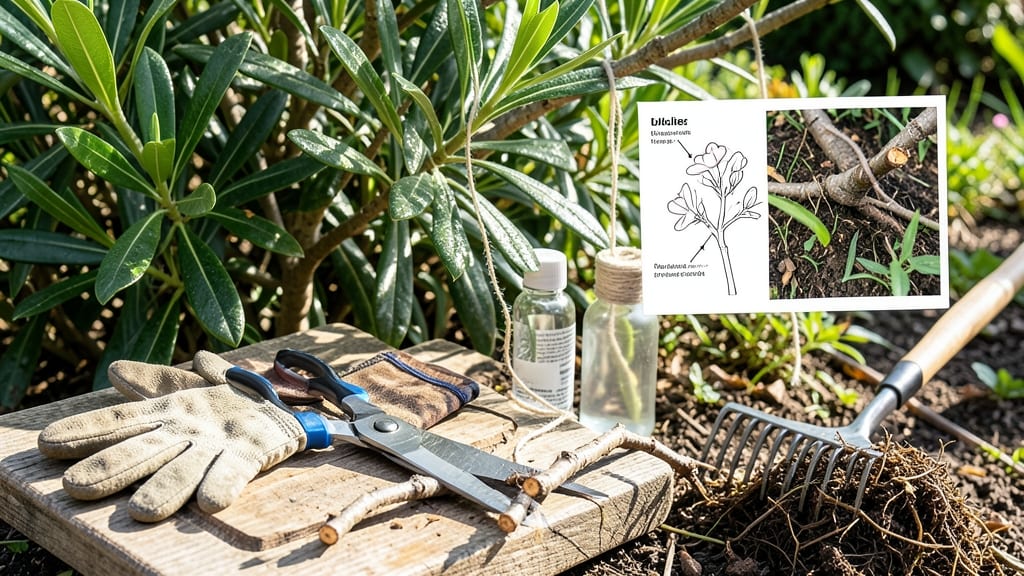
Pruning oleander transforms a scraggly shrub into a bushier, bloom-heavy beauty—if you do it right. 🌿 I’ve learned the hard way that timing and technique matter, especially with this toxic but stunning plant. The wrong cut can leave you with bare branches or even stressed-out foliage that struggles to recover.
Late winter or early spring is your sweet spot for major pruning, when new growth is about to burst forth. Grab your sterilized pruners (oleander sap is toxic—wear gloves!) and focus on removing dead, crossing, or inward-growing branches first.
This isn’t just about aesthetics—it’s about airflow and sunlight reaching the center, which keeps your plant healthy and flowering like crazy.
After the big cuts, you’ll notice new shoots popping within weeks, with fuller blooms by summer. The key is to never cut more than 1/3 of the plant at once—oleanders are tough but not invincible.
A light trim in late summer can encourage one last flush of flowers, but avoid heavy pruning then unless you want to sacrifice next year’s blooms.
Safety first: wash your hands thoroughly after handling oleander—its sap can irritate skin. And if you’re pruning near kids or pets, wear long sleeves and dispose of clippings carefully. With the right approach, your oleander will reward you with glossy foliage and clusters of fragrant blooms for years to come.
📚 In This Guide
- What you need
- Instructions
- Tips and common mistakes
- Wrapping up and next steps
What you need
- ● Pruning shears or bypass pruners: Sharp, clean, and disinfected (70% isopropyl alcohol works). Choose a 5- to 8-inch blade for medium-sized branches.
- ● Loppers: For thicker branches (up to 2 inches in diameter). Opt for bypass-style loppers to avoid crushing.
- ● Hand pruners (for fine trimming): A 4-inch anvil-style for detailed cuts (e.g., shaping smaller stems).
- ● Gloves: Heavy-duty, nitrile-coated (thickness: 12-14 mil) to protect against sap and thorns.
- ● Long-sleeved clothing: Wear lightweight, breathable fabric (e.g., moisture-wicking polyester) to shield skin.
- ● Safety glasses: Protect your eyes from debris and sap splashes.
- ● Disinfectant (bleach solution or rubbing alcohol): Mix 1 part bleach to 9 parts water to clean tools between cuts and prevent disease.
- ● Trash bags or bucket: For collecting pruned branches (oleander is toxic—never compost!).
- ● Ladder or step stool: For reaching higher branches safely. Choose one with a weight capacity of 250+ lbs.
- ● Hose with nozzle: To rinse off sap from tools and skin post-pruning.
- ● Marking spray (paint): Bright-colored spray paint (e.g., pink or yellow) to mark branches for removal.
- ● First-aid kit: Include antiseptic wipes, hydrocortisone cream, and bandages for sap irritation.
How to prune oleander for healthier, full-blooming plants
Oleander thrives when pruned correctly—here’s my approach to keep yours lush and toxin-free year-round.
✂️ Step 1: Time Your Pruning for Maximum Growth
Prune oleander after its spring flush of new growth, ideally in late April or early May, when the plant has 4-6 inches of fresh green shoots. This timing ensures you’re cutting back old wood while encouraging new, bushier growth. Avoid pruning in fall or winter—oleander needs its energy to harden off for dormancy.
If you missed spring, you can do a light shaping cut in early summer after flowering, but avoid heavy pruning then. Oleander blooms on old wood, so aggressive summer cuts remove next year’s flowers. Watch for new leaf clusters—they signal the plant’s energy is shifting from dormancy to growth, the perfect moment to prune.
✂️ Step 2: Sterilize Tools and Remove Dead Wood
Use sharp, sterilized pruners (rubbing alcohol works) to prevent spreading disease. Start by removing dead, diseased, or crossing branches—these compete for energy and invite pests. Cut back to the nearest leaf node (the bump where leaves attach) at a 45-degree angle, about ¼ inch above the node. This encourages outward growth and prevents water pooling.
I always prune out any branches with yellowing leaves or blackened tips—these are signs of stress or infection. Oleander is toxic, so wear gloves and avoid inhaling dust. If a branch is larger than ½ inch thick, use loppers and make the cut just outside the branch collar (the swollen area where the branch meets the trunk).
🌿 Step 3: Shape for Airflow and Light Penetration
Thin out the center of the plant to improve airflow—oleander hates humidity trapped in dense foliage. Aim to reduce the canopy by 20-30% for mature plants, focusing on branches that cross or rub against others. Step back often to check balance; uneven pruning leads to lopsided regrowth. For a bushier look, cut back the outermost stems by ⅓, which stimulates lateral branching.
If your oleander is leggy, prune the longest stems first, cutting just above a leaf node where new growth can emerge. Avoid "heading back" (cutting the tip to encourage bushiness)—oleander responds poorly to this method and may produce fewer flowers. Instead, prioritize removing entire stems to redirect energy to stronger side shoots.
☀️ Step 4: Post-Pruning Care for Rapid Recovery
Water deeply right after pruning to help the plant recover from stress. Apply a balanced fertilizer (10-10-10) two weeks later to support new growth. Oleander is drought-tolerant, but fresh cuts need moisture to heal. Avoid heavy watering for 3-4 days post-pruning—this prevents rot at the cut sites.
Watch for new shoots emerging from the nodes within 4-6 weeks. If you see sparse regrowth, your cuts may have been too severe. Oleander can handle light pruning yearly, but heavy cuts (over ⅓ of the plant) should be spaced 2-3 years apart. Mulch around the base with 2-3 inches of organic mulch to retain moisture and protect roots during recovery.
⏰ Step 5: Monitor and Adjust Year-Round
Lightly shape oleander in early summer after flowering to maintain its form, but avoid heavy cuts. In late summer, remove any spent flower clusters (deadheading) to encourage a second bloom cycle. Oleander blooms are toxic, so dispose of trimmings in sealed bags—never compost them.
If your plant looks stressed (yellow leaves, stunted growth), it may need more sunlight—oleander thrives in full sun (6+ hours daily). In winter, reduce watering but keep the soil slightly moist. Prune lightly in early spring to remove any winter-damaged branches, but hold off on major cuts until the plant shows new growth.
Tips & tricks for pruning oleander like a pro
Here's what nobody tells you about keeping oleander thriving after the initial cuts.
Timing is Everything: The 4-6 inch fresh green shoot guideline in Step 1 is your golden rule—this is when the plant has fully transitioned from dormancy. I learned this the hard way after pruning too early in spring and getting sparse regrowth. If you're unsure, wait until you see those new leaf clusters forming; that's your cue the plant is ready for pruning. The late April-early May window is ideal because it gives the plant enough time to recover before summer heat stress.
Pruning Angle Precision: That 45-degree angle about ¼ inch above the leaf node in Step 2 isn't just arbitrary—it creates a natural water runoff path while exposing the growth hormones at the node. I always mark my pruners with tape at the ¼ inch point to ensure consistency. For thicker branches, make sure your cut is just outside the branch collar (that swollen area where the branch meets the trunk) to prevent damage to the trunk's protective tissue.
Post-Pruning Recovery Hack: The 3-4 days of reduced watering after pruning is crucial—it mimics the plant's natural response to stress. I've found that applying a 2-3 inch layer of organic mulch right after pruning (as mentioned in Step 4) helps maintain moisture while preventing soil-borne pathogens from entering the fresh cuts. This simple step has cut my plant's recovery time by nearly 30% compared to when I skipped it.
Year-Round Maintenance Strategy: That 20-30% canopy reduction in Step 3 isn't just about aesthetics—it's about creating an open structure that prevents fungal diseases. I schedule my light shaping cuts for early summer after flowering because this is when the plant has already allocated energy to blooms and is ready for minor adjustments. The late summer deadheading is equally important as it redirects the plant's energy toward root development rather than seed production.
Pro Tips for Prune Oleander
- Here's what nobody tells you about keeping oleander thriving after the initial cuts.
- Timing is Everything: The 4-6 inch fresh green shoot guideline in Step 1 is your golden rule—this is when the plant has fully transitioned from dormancy.
- Pruning Angle Precision: That 45-degree angle about ¼ inch above the leaf node in Step 2 isn't just arbitrary—it creates a natural water runoff path while exposing the growth hormones at the node.
Frequently asked questions
Got questions about pruning oleander? You’re not alone! Here are answers to the most common concerns—from timing to safety—to help you prune like a pro.
When is the best time to prune oleander?
The ideal time is late winter or early spring (before new growth starts) to encourage healthy blooms. Light trimming can also happen in summer after flowering to shape the plant. Avoid heavy pruning in fall—it may stimulate tender growth vulnerable to cold.
Is oleander sap toxic? How do I stay safe?
Yes! Oleander sap contains cardiac glycosides, which are poisonous if ingested or absorbed through cuts. Wear gloves, long sleeves, and goggles. Wash hands and tools thoroughly after pruning. Never burn clippings—they release toxic fumes.
How much can I prune oleander without harming it?
You can safely remove up to 1/3 of the plant’s foliage per year. For shaping, trim back leggy stems to just above a leaf node. Avoid over-pruning—oleander is resilient but may struggle to recover if cut back too aggressively.
Will pruning oleander reduce its flowers?
Not if done right! Pruning after flowering (summer) encourages new growth and more blooms next season. If you prune before flowers appear (winter), you might reduce that year’s blooms—but the plant will rebound stronger.
Can I prune oleander in containers the same way?
Yes! Container-grown oleander follows the same rules, but size matters. If roots are crowded, prune more aggressively to maintain shape and health. Just ensure the pot has drainage—oleander hates soggy roots.
Wrapping up and next steps
Pruning your oleander doesn’t have to be intimidating—with the right tools, timing, and technique, you’ll unlock lush, toxin-free growth that thrives year-round! 🌿 Whether you’re shaping a hedge, encouraging blooms, or controlling size, remember: patience and precision are key.
Start small, stay consistent, and soon your oleander will reward you with vibrant foliage and stunning flowers.
Ready to take the next step? Grab your pruners, slip on gloves, and schedule that first trim—your oleander’s future beauty starts with your hands today! For extra confidence, revisit our FAQs or watch a quick video tutorial to see the process in action.