
Pruning
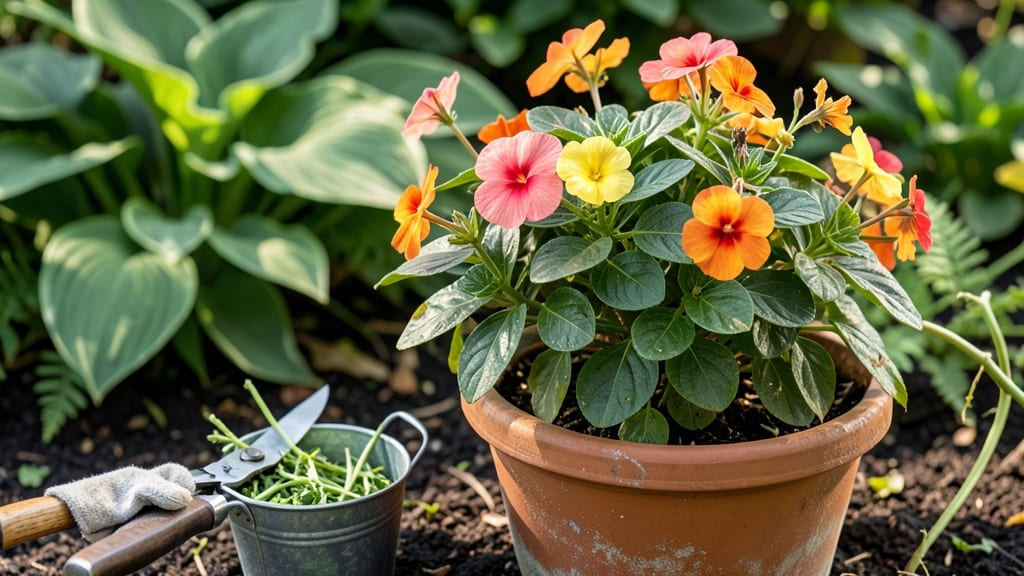
Pruning New Guinea impatiens turns floppy stems into a burst of bushy blooms—and it’s easier than you think. 🌿 The key is regular pinching (not just snipping) to encourage compact growth, which keeps those vibrant flowers coming all season long.
I’ve pruned mine every 4-6 weeks, and the difference is night-and-day: fuller plants with fewer gaps between blooms.
You’ll need just three things: sharp pruning shears (cleaned with rubbing alcohol), a small bucket for clippings, and about 10 minutes on a sunny morning. The real trick? Cut just above a leaf node—not the stem itself—to spark new side shoots.
Too many gardeners stop here, but the secret to year-round blooms is light pruning even in winter (if you’re in a frost-free zone).
After pruning, your plants will respond in 2-3 weeks with fresh growth and even more flowers. The foliage stays lush and glossy, and you’ll notice fewer leggy stems stretching for light.
Water deeply the day after pruning to help the plant recover, and watch as those bright blooms multiply like they’re on a mission.
This works for container gardens, hanging baskets, or in-ground beds—just adjust the timing based on your climate. If you’re in a cooler zone, hold off until spring.
For warm climates, prune lightly every 6 weeks. The goal? More flowers, less fuss—and a plant that looks like it’s been professionally groomed.
📚 In This Guide
- What you need
- Instructions
- Tips and common mistakes
- Wrapping up and next steps
What you need
- ● Pruning shears: Bypass pruners (sharp, clean, and sterilized—think 4-6 inch blades for precision). Avoid dull tools that crush stems!
- ○ Hand pruners or small scissors: For delicate trimming (optional but helpful for fine-tuning). Look for ergonomic grips to avoid hand fatigue.
- ● Gloves: Lightweight, nitrile-coated gloves (size medium/large) to protect against sap and thorns. Bonus: They keep your hands clean!
- ● Disinfectant: 70% isopropyl alcohol or a bleach solution (1 part bleach to 9 parts water) to sterilize tools between cuts.
- ● Garden twine or rubber bands: Thin, stretchy twine (¼ inch width) to secure stems if staking is needed post-prune.
- ● Compost bin or bag: A small biodegradable bag (5-gallon size) to collect pruned stems for composting.
- ● Horticultural oil or soap: For deep-cleaning tools if they’ve been storing in damp conditions.
- ● Plant tie clips: Soft, plastic clips (if staking is part of your post-prune plan).
- ● Magnifying glass: A 10x handheld loupe to inspect stems for pests or disease before cutting.
- ● Spray bottle with water: To mist stems and reduce stress on the plant during pruning.
- ● Notebook & pen: To jot down pruning dates or notes on plant response (great for tracking progress!)
Step-by-step guide to pruning new Guinea impatiens
Here's how I keep my New Guinea impatiens lush and blooming all season—no guesswork, just proven techniques.
✂️ Step 1: Time Your First Prune for Peak Growth
Prune 2-3 weeks after planting when plants have 4-6 sets of true leaves. This is when they've established strong roots but haven't yet become overcrowded. I always check for new growth at the base—that's your signal they're ready for their first haircut.
Use clean, sharp pruners to cut back the main stems by ⅓ of their height. This encourages branching and creates a fuller bush shape. The goal is to remove the topmost set of leaves, which forces energy downward into side shoots. You'll see new growth sprout from leaf nodes within 7-10 days.
🌿 Step 2: Deadhead Regularly for Nonstop Blooms
Pinch or snip off spent blooms daily during peak bloom season (spring through fall). I make it a habit to check plants first thing in the morning—wilted flowers are easiest to spot before they drop. Use your thumb and forefinger to pinch stems cleanly at the first set of leaves below the bloom.
This simple step tricks the plant into focusing energy on producing new flowers instead of setting seed. You'll notice 3-5 new buds forming within 2 weeks at each pruned stem. For large plants, I use small pruning shears to avoid crushing tender stems.
⏰ Step 3: Perform Mid-Season Renewal Pruning
When plants start looking leggy or blooms slow in late summer, give them a 50% height reduction. Cut back all stems to 4-6 inches above the ground, leaving only the strongest new growth. This dramatic prune might seem harsh, but it rejuvenates the plant completely.
Water deeply the day before and after pruning to help plants recover. You'll see new shoots emerge within 2 weeks, and by early fall, your impatiens will be bushier than ever. This is particularly important in hot climates where plants can become stressed.
✂️ Step 4: Prepare for Winter Dormancy
In colder climates, stop pruning 6 weeks before first frost to allow plants to harden off. For container-grown impatiens, cut back stems to 2-3 inches tall and move pots to a 50-60°F location with minimal light. Reduce watering to every 10-14 days once growth slows.
If you're overwintering plants indoors, remove all remaining blooms and yellowing leaves to redirect energy to root development. You'll know they're dormant when new growth stops entirely. In spring, resume regular pruning once you see new shoots emerge from the base.
☀️ Step 5: Adjust Techniques for Seasonal Light Changes
During short-day winter months, reduce pruning frequency to every 4-6 weeks. Impatiens grow more slowly in low light, so aggressive pruning can stress them. Focus on removing only dead or diseased foliage and any stems growing toward light sources.
In high-light summer conditions, increase pruning to weekly deadheading and biweekly shape pruning. The extra sunlight means faster growth, so you'll need to stay on top of maintenance. Watch for new growth color changes—healthy new leaves should be vibrant green, not pale or yellowed.
Tips & tricks for pruning new Guinea impatiens
Here's what nobody tells you about keeping your impatiens thriving all year—these tricks make all the difference.
Tool Selection: Never use dull scissors or your fingernails for pruning. Invest in a pair of bypass pruners for clean cuts that heal faster. For daily deadheading, your thumb and forefinger work perfectly, but always make cuts at a 45-degree angle just above a leaf node to prevent water pooling. I keep a small pair of pruners in my gardening tote for quick touch-ups during my morning rounds.
Seasonal Growth Signals: New Guinea impatiens communicate their needs through color and growth patterns. In spring, watch for vibrant new leaves emerging from the base—this is your cue for the first prune. In summer, if you notice pale yellowing leaves on lower stems, it's time for your mid-season renewal prune. The plants are telling you exactly when they need attention.
Pruning Timing: The 7-10 day window mentioned for new growth after pruning is critical—don't rush it! If you see new shoots appearing before 7 days, that's actually a sign your plant is thriving. Conversely, if no new growth appears after 14 days, you may have pruned too aggressively. Always leave at least 2-3 sets of leaves on any stem you cut back.
Container Care: For potted impatiens, rotate containers quarter-turn daily to ensure even light exposure. This prevents lopsided growth and makes pruning more effective. When doing your mid-season renewal prune, remove any stems growing toward the center of the pot—they'll compete with others for sunlight and nutrients. I find this especially important in small containers under 12 inches wide.
Pro Tips for Prune New Guinea Impatiens
- Here's what nobody tells you about keeping your impatiens thriving all year—these tricks make all the difference.
- Tool Selection: Never use dull scissors or your fingernails for pruning.
- Seasonal Growth Signals: New Guinea impatiens communicate their needs through color and growth patterns.
Frequently asked questions
Got questions about keeping your New Guinea Impatiens looking their best? Here are some of the most common concerns—plus straightforward answers to help you prune like a pro!
When is the best time to prune New Guinea Impatiens?
Prune your New Guinea Impatiens in early spring or after flowering to encourage new growth. Light trims can be done throughout the growing season (spring to fall) to maintain shape. Avoid heavy pruning in late summer or fall, as the plant needs time to harden off before winter.
How much should I cut back when pruning?
For a light trim, snip off just the spent blooms or leggy stems. For renewal pruning, cut back up to ⅓ of the plant’s height to stimulate bushier growth. Never remove more than ⅓ at once—this can stress the plant. Use clean, sharp shears for the cleanest cuts!
What if my New Guinea Impatiens doesn’t bloom after pruning?
If your plant skips blooming, it might need more sunlight (6+ hours daily) or balanced fertilizer (high in phosphorus). Prune in early spring to encourage new flower buds. Also, check for overcrowding—thinning out competing plants can improve air circulation and blooming.
Can I prune New Guinea Impatiens in hot or cold weather?
Avoid pruning during heatwaves (above 90°F) or freezing temps (below 50°F). These conditions stress the plant, slowing recovery. Instead, opt for mild spring or fall days for the best results. If you must prune in extreme heat, do it in the early morning or evening.
What can I do with the cuttings after pruning?
Don’t toss those clippings! New Guinea Impatiens root easily in water. Place cuttings in a jar with fresh water, keeping them in bright, indirect light until roots form (usually 2–4 weeks). Then, transplant to soil. Just avoid overwatering—they’re sensitive to root rot!
Why are my leaves turning yellow after pruning?
Yellowing leaves can signal over-pruning or stress. If only a few leaves yellow, the plant is likely adjusting. But if it’s widespread, cut back further trimming and ensure proper watering (keep soil evenly moist but not soggy). Boost care with a balanced fertilizer to help recovery.
Wrapping up and next steps
Pruning your New Guinea Impatiens doesn’t have to be intimidating—it’s all about timing, technique, and a little patience! 🌿 By following these year-round tips, you’ll encourage lush growth, vibrant blooms, and healthier plants that thrive in your garden.
Now that you’re armed with the know-how, grab those shears and give your impatiens the care they deserve.
Ready to see the difference? Start with a light trim this week and watch your plants transform into showstopping beauties. Happy pruning! 🌸