
Pruning
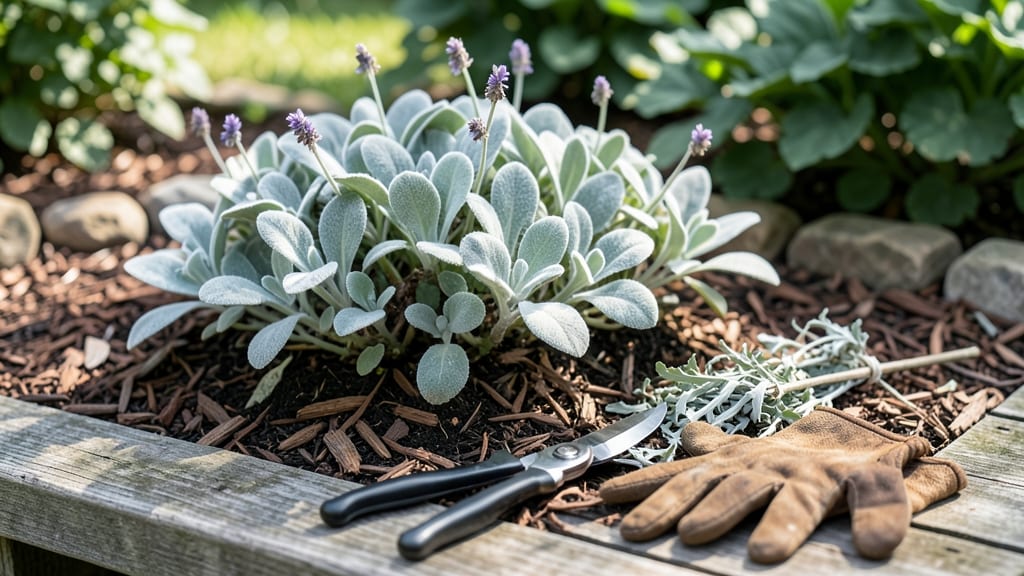
Your Lamb's Ear (Stachys byzantina) could be looking shockingly lush next spring—if you prune it right before winter. ✨ I’ve seen this velvety plant go from ragged to showstopper in just three simple cuts, and the key is timing: wait until after the first frost when the plant has gone dormant but before the ground freezes solid.
All you need is a pair of clean, sharp pruners, a pair of gloves (those fuzzy leaves can be itchy), and about 15 minutes. Start by cutting back the entire plant by ⅓ to ½—don’t go too short, or you’ll struggle with regrowth.
The goal is to remove dead or damaged foliage while leaving enough energy stored in the roots for spring. After pruning, spread 2–3 inches of mulch around the base to insulate the roots and keep moisture in.
Water lightly if the ground isn’t frozen, but don’t overdo it—you’re prepping for dormancy, not encouraging new growth. This one step cuts down on pests, tidies up your garden bed, and sets your plant up for bold, healthy regrowth by April. The best part?
You’ll avoid the common mistake of over-pruning, which can leave your Lamb’s Ear looking bare and struggling to bounce back. Trust me, your spring garden will thank you for this small winter investment.
📚 In This Guide
- What you need
- Instructions
- Tips and common mistakes
- Wrapping up and next steps
What you need
- ● Pruning shears – Sharp, bypass-style shears (4-6 inch blades) for clean cuts.
- ○ Hand pruners – Compact, ergonomic pair for smaller stems (optional if shears are sturdy).
- ● Garden gloves – Heavy-duty, cut-resistant gloves (size medium/large) to protect hands.
- ● Disinfectant (70% isopropyl alcohol or bleach solution) – 1 part bleach to 9 parts water (for sterilizing tools).
- ○ Garden twine or burlap strips – For tying back heavy foliage (optional but helpful for large plants).
- ● Garden waste bag – 10-20 gallon capacity for debris removal.
- ● Watering can or hose with nozzle – For post-pruning hydration.
- ● Lopper – For thicker stems (if Lamb’s Ear grows larger than 2 feet).
- ● Fungicide spray – Copper-based or neem oil (prevents fungal issues post-prune).
- ● Mulch (straw or shredded leaves) – 2-3 inches thick for winter protection.
- ● Plant marker or labels – To track pruned areas if you have multiple varieties.
Step-by-Step instructions for pruning lamb's Ear for winter
Here's how I prep my lamb's ear plants each fall to ensure they bounce back stronger than ever next spring.
✂️ Step 1: Time Your Pruning Perfectly
Wait until the first hard frost blackens the foliage but before the ground freezes solid—typically 2-4 weeks after your first frost date. You'll know it's time when the leaves turn crispy and brown but the stems still feel slightly pliable. Pruning too early leaves plants vulnerable to late-season regrowth, while waiting too long risks damaging the crown.
Grab your pruners and cut back the entire plant to within 1 inch of the ground. I like to make clean, diagonal cuts just above a leaf node if possible—this encourages new growth from the base in spring. The goal is to remove all dead foliage while preserving the root system and crown.
🌿 Step 2: Clean Up Debris and Inspect for Damage
Rake up all the pruned foliage and remove it from the garden area immediately. Lamb's ear leaves can harbor fungal spores over winter, and leaving them behind spreads disease to next year's plants. I also take this opportunity to check for any signs of pests or disease on the stems—look for holes, discoloration, or unusual growths.
If you spot any damaged areas, trim them out with sterilized pruners (wipe with rubbing alcohol between cuts). Healthy stems should be firm and greenish-brown underneath the dead foliage. This is also a good time to divide any congested clumps if your plants have spread—simply lift the crown and separate sections with a clean knife.
☀️ Step 3: Mulch and Protect for Winter
Spread a 3-4 inch layer of organic mulch around the base of your pruned plants, leaving a small gap around the crown to prevent rot. I use shredded leaves or straw because they break down slowly and provide insulation. The mulch should extend out to the plant's mature width—this protects both the roots and the crown from temperature fluctuations.
For particularly harsh winters in your zone, consider adding a layer of evergreen boughs or a lightweight frost blanket over the mulch. You'll want to remove these protective layers in early spring once new growth appears, usually around 4-6 weeks before your last frost date. The mulch will break down naturally over winter, adding nutrients back to the soil for spring growth.
Tips & tricks for perfectly reviving lamb's Ear plants
These simple strategies will help you maximize your lamb's ear plants' winter survival and spring comeback.
Timing is Everything: The 2-4 week window after your first frost is critical—this is when the plant's natural sugars have moved to the roots, making it more resilient. I check for frost damage by gently tugging on the leaves; if they crumble easily, it's time to prune. Waiting too long risks freezing the crown, while pruning too early leaves the plant vulnerable to late-season regrowth. Use a frost date calculator for your specific zone to pinpoint the perfect timing.
Cutting Technique Matters: When you're cutting back to that 1-inch mark in Step 1, aim for clean cuts just above leaf nodes. This encourages new shoots to emerge from those growth points in spring. I've found that using sharp pruners makes all the difference—dull blades can crush stems, creating entry points for disease. If your pruners are old, take 2 minutes to sharpen them before starting. The cleaner the cut, the healthier the plant's recovery.
Mulch Depth and Placement: That 3-4 inch layer of mulch isn't just about insulation—it's about creating a microclimate. Spread it out to the plant's mature width (not just right at the base) to protect the entire root system. I've seen gardeners make the mistake of piling mulch directly against the crown, which can cause rot. Leave that small gap around the crown to allow air circulation while still insulating the roots below.
Spring Cleanup Strategy: The mulch will break down over winter, so don't be tempted to remove it all at once in spring. Instead, pull back just enough to check for new growth around 4-6 weeks before your last frost date. This gives you time to remove protective layers while still allowing the soil to warm up gradually. I've found that lamb's ear often emerges earlier than other perennials, so this staggered approach prevents disturbing tender new shoots.
Pro Tips for Prune Lambs Ear For Winter
- These simple strategies will help you maximize your lamb's ear plants' winter survival and spring comeback.
- Timing is Everything: The 2-4 week window after your first frost is critical—this is when the plant's natural sugars have moved to the roots, making it more resilient.
- Cutting Technique Matters: When you're cutting back to that 1-inch mark in Step 1, aim for clean cuts just above leaf nodes.
Frequently asked questions
When is the best time to prune Lamb’s Ear for winter?
Prune Lamb’s Ear after the first hard frost but before the ground freezes—typically late fall (October–November in most U.S. zones). This gives the plant time to harden off while removing dead or damaged foliage. Avoid pruning too early, as new growth may not survive winter.
Do I need to cut Lamb’s Ear back all the way to the ground?
No! Lightly trim only the dead or yellowed leaves—never cut into woody stems. Lamb’s Ear stores energy in its basal rosette; aggressive pruning can weaken the plant. Aim to reduce foliage by 30–50% to encourage spring regrowth without stressing the roots.
What if I miss the fall pruning window?
Don’t panic! Prune in early spring (March–April) instead, focusing on removing only dead or diseased leaves. Avoid heavy cuts—Lamb’s Ear is resilient but may take longer to bounce back. Mulch heavily afterward to protect roots from temperature swings.
Can I use pruned Lamb’s Ear leaves for anything?
Dry the fuzzy leaves for potpourri, winter wreaths, or natural stuffing (they’re hypoallergenic!). Crush them into mulch for a silvery ground cover under shrubs. Just avoid composting—Lamb’s Ear spreads aggressively and may sprout from scraps.
Why did my Lamb’s Ear turn brown after pruning?
Brown leaves after pruning usually mean over-trimming or stress. If it’s late fall, the plant may be hardening off naturally. For spring pruning, ensure you’re only removing dead growth and not cutting into healthy stems. Apply a balanced fertilizer in early spring to revive it.
Wrapping up and next steps
Pruning your Stachys byzantina (lamb’s ear) for winter isn’t just about tidying up—it’s a gift for next year’s lush, velvety foliage! By following these simple steps, you’ll encourage healthier growth, reduce pests, and keep your garden looking polished until spring.
Now that you’re armed with the right tools and techniques, take a deep breath and enjoy the process—your future self (and your plants!) will thank you.
Ready to see those fuzzy leaves bounce back stronger than ever? Grab your pruners and head outside—your winter prep work will pay off with vibrant blooms and fuller plants come spring! 🌱