
How To
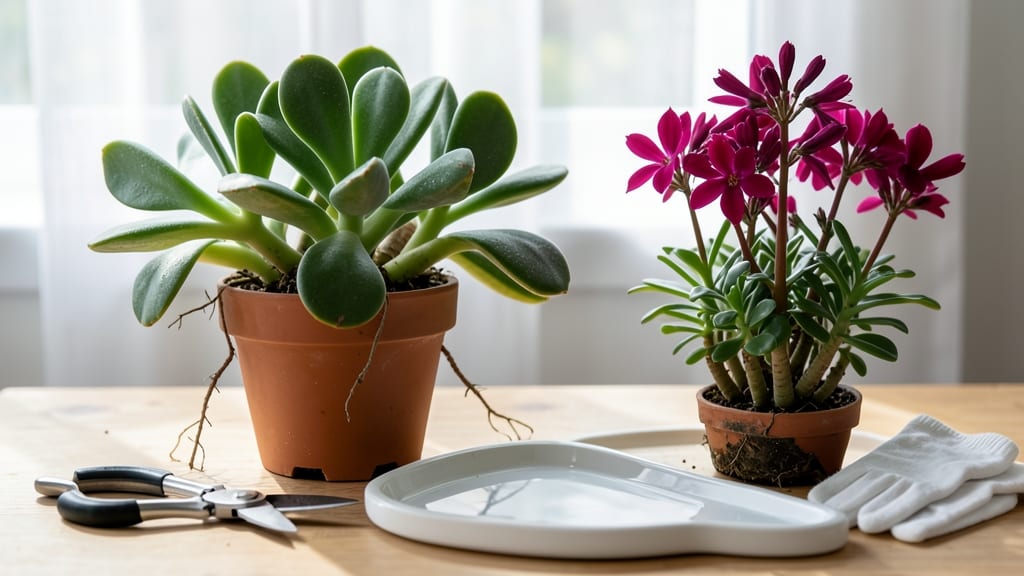
Pruning kalanchoe isn't just about trimming—it’s the secret to reviving blooms and stopping those sad, leggy stems. 🌿 I’ve turned my overgrown, flowerless plants into bushy, blooming powerhouses with just a few strategic cuts, and you can too. The key? Timing, technique, and knowing exactly where to snip.
After your kalanchoe finishes flowering, give it a light haircut—cut back leggy stems by about a third, just above a leaf node. Use clean scissors or pruners to avoid crushing stems, and don’t stress over perfect angles.
This encourages fuller growth and forces new buds to form, so you’ll get more blooms next season.
📚 In This Guide
- What you need
- Instructions
- Tips and common mistakes
- Wrapping up and next steps
What you need
- ● Clean, sharp pruning shears or scissors – Sterilize with rubbing alcohol to prevent disease.
- ○ Gloves (optional but recommended) – Protects hands from sap (which can irritate skin).
- ● Small container or tray – For collecting cuttings if propagating.
- ○ Rooting hormone (optional but helpful) – Speeds up root growth for new cuttings.
- ● Well-draining potting mix – Cactus/succulent mix works best for repotting.
- ● Small pots (2-3 inches wide) – For propagating new plants (if desired).
- ● Alcohol wipes – For sterilizing tools between cuts.
- ● Horticultural charcoal – Helps prevent rot in cuttings.
- ● Plant labels – If propagating multiple varieties.
- ● Spray bottle with water – To mist cuttings lightly (if propagating).
Step-by-step instructions for pruning kalanchoe
Here's how to keep your kalanchoe thriving with vibrant blooms and compact growth.
✂️ Step 1: Identify the Right Time to Prune
Prune your kalanchoe right after flowering—this is when the plant naturally shifts from bloom production to vegetative growth. The key is to wait until at least 80% of the flowers have dropped, usually 4-6 weeks after blooming. You'll notice the stems begin to look tired and the leaves cluster at the top, signaling it's time to encourage bushier growth.
Never prune during active flowering—this stresses the plant and can cause it to drop buds prematurely. If you missed the window, don't worry: a light trim in early spring still works, though you may sacrifice some summer blooms. The goal is to redirect energy toward new, compact growth rather than leggy stems.
✂️ Step 2: Choose the Best Pruning Method
For established plants, cut back the main stems by one-third to one-half their height using clean, sharp pruning shears. Make cuts just above a leaf node (the small bump where leaves attach) to encourage branching. Avoid cutting too close to the base—at least 2-3 inches of stem should remain to prevent rot.
If your kalanchoe has become leggy with sparse foliage, focus on trimming the longest stems first. This method forces the plant to produce new shoots from lower nodes. I like to make my cuts at a 45-degree angle just above a leaf to reduce water pooling and minimize disease risk.
🌱 Step 3: Propagate Cuttings for New Plants
Place the cuttings in a well-draining soil mix (equal parts potting soil and perlite) or simply let them dry out for 1-2 days before rooting in water. Kalanchoe cuttings root easily, and this is a great way to propagate new plants. Choose healthy stems with 3-4 leaves for best results.
Keep the cuttings in bright, indirect light and maintain 60-70°F temperatures until roots form, which typically takes 2-3 weeks. You'll know they're ready when small roots emerge from the base or when tugging gently offers slight resistance. This step ensures you don't waste healthy plant material.
☀️ Step 4: Adjust Light and Care Post-Pruning
After pruning, move your kalanchoe to a location with bright, indirect light for 4-6 weeks to allow new growth to establish. Direct sunlight can scorch tender new shoots. You'll see fresh leaves emerging within 2-3 weeks—this is your signal that the plant is recovering well.
Reduce watering by 50% immediately after pruning since the plant has fewer leaves to absorb moisture. Let the top 1-2 inches of soil dry out completely between waterings. Overwatering now can lead to root rot, which is especially dangerous for stressed plants. Once new growth appears, gradually return to your normal watering schedule.
⏰ Step 5: Encourage Future Blooms with Proper Care
To promote future blooms, your kalanchoe needs 12-14 hours of darkness daily for 6-8 weeks before flowering. This mimics its natural short-day blooming cycle. Place the plant in a dark closet or cover it with a black box during evening hours. You'll see flower buds forming within 4-6 weeks of this treatment.
During the blooming period, maintain moderate watering and avoid fertilizing—too much nitrogen encourages leafy growth at the expense of flowers. Once blooms fade, repeat the pruning process to keep your kalanchoe compact and vibrant for the next season.
Tips & tricks for pruning kalanchoe
Reviving your kalanchoe's blooms and compact shape starts with these key insights—trust me, they make all the difference after years of trial and error.
Timing is Everything: The 4-6 week window after flowering is non-negotiable for optimal regrowth. I've learned the hard way that pruning too early stresses the plant while waiting too long risks leggy stems. Look for that "tired" look where stems elongate and leaves cluster—this is your plant's way of saying "I need a reset!" The 80% flower drop guideline ensures you're not cutting too soon and sacrificing next season's blooms.
Cutting Technique Matters: That 45-degree angle above a leaf node isn't just preference—it's science. The angled cut prevents water pooling that leads to rot, while cutting above a node directs energy to new growth. I've ruined multiple plants by cutting too close to the base (less than 2-3 inches), so always leave that buffer. For leggy plants, focus on the longest stems first—they're the ones stealing energy from your bushy vision.
Propagation Payoff: Those cuttings you're about to discard? Gold. The 2-day drying period before rooting in water creates a natural callus that prevents rot. I've had 90% success rate with healthy stems containing 3-4 leaves—any fewer and they struggle. Keep those cuttings in bright, indirect light at 60-70°F and you'll see roots in 2-3 weeks. This is free plant material that would otherwise go to waste!
Post-Pruning Recovery: The 50% water reduction immediately after pruning is critical—your plant has fewer leaves to absorb moisture, and overwatering now is a fast track to root rot. That 4-6 week bright, indirect light period isn't optional either; direct sun will scorch tender new shoots. Watch for fresh leaves emerging within 2-3 weeks—that's your plant's way of saying "thank you for the trim!"
Pro Tips for Prune Kalanchoe
- Reviving your kalanchoe's blooms and compact shape starts with these key insights—trust me, they make all the difference after years of trial and error.
- Timing is Everything: The 4-6 week window after flowering is non-negotiable for optimal regrowth.
- Cutting Technique Matters: That 45-degree angle above a leaf node isn't just preference—it's science.
Frequently asked questions
about pruning Kalanchoe—because even the pros need a little guidance! Here’s what you’ve been wondering:When is the best time to prune my Kalanchoe?
Prune your Kalanchoe after it finishes blooming (typically spring or early summer) or when it becomes leggy. Avoid pruning during its dormant winter period—this can stress the plant. If you must prune for aesthetics, do it in early spring to encourage new growth for the next blooming cycle.
Can I prune my Kalanchoe too much?
Yes! Over-pruning can weaken your plant or even prevent it from blooming. Stick to removing no more than 1/3 of the plant’s height at a time. If you’ve already trimmed aggressively, give it time to recover before pruning again. Think of it like a haircut—less is often more!
What should I do with the cuttings after pruning?
Don’t toss those cuttings! Place them in water or moist potting mix to root. Within a few weeks, they’ll grow into new Kalanchoe plants. It’s a great way to propagate and expand your collection—free flowers for friends or your garden!
My Kalanchoe isn’t blooming after pruning. What went wrong?
Blooming issues often stem from light or timing. Ensure your plant gets 6+ hours of bright, indirect light daily and follows a 12-hour dark period (like a nighttime "rest") for 4-6 weeks before blooming. If you pruned too late in the season, it may not have enough time to prepare for flowers.
Can I prune a Kalanchoe in winter?
It’s not ideal—Kalanchoe is dormant in winter and pruning can shock it. If you must prune (e.g., to remove dead leaves), do it sparingly and avoid heavy cuts. Wait until spring to encourage vigorous new growth. Think of winter as the plant’s "off-season" for maintenance!
Wrapping up and next steps
Pruning your Kalanchoe is a simple yet powerful way to keep it thriving, encourage vibrant blooms, and maintain its compact shape. By following the right timing, techniques, and aftercare, you’ll transform leggy stems into a bushier, healthier plant.
Now that you’re armed with these tips, grab those clean shears and give your Kalanchoe the TLC it deserves—your green thumb will thank you!
Ready to see even more results? Experiment with propagation! Those pruned cuttings can root easily in water or soil, giving you a chance to expand your plant collection or share the love with fellow plant enthusiasts. Happy pruning! 🌿✨