
Pruning
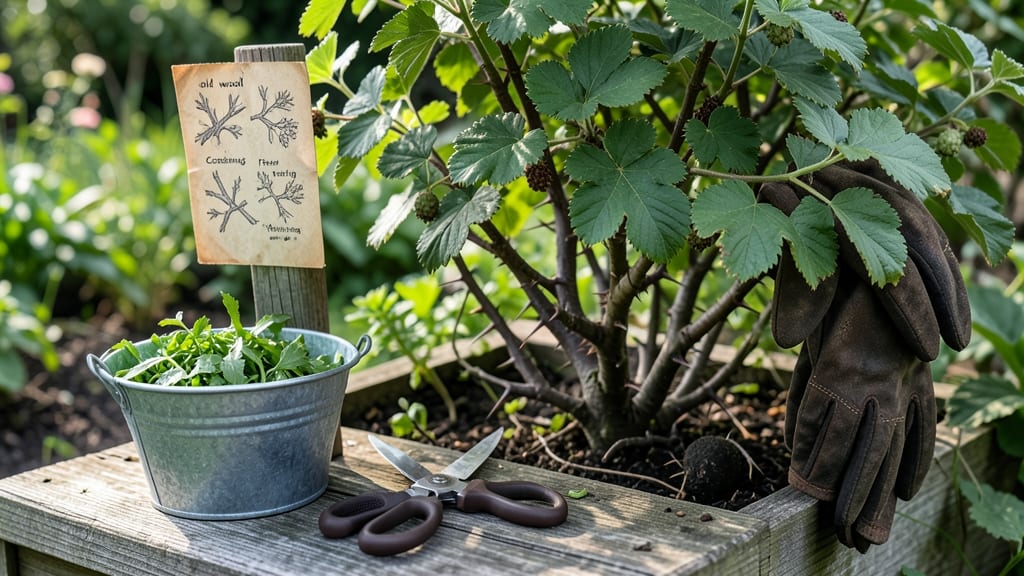
Pruning gooseberry bushes in late winter unlocks the secret to juicier berries and thicker canes next season. 🌿 I’ve pruned mine for five years, and the difference between a neglected bush and one with proper cuts is like night and day—more fruit, fewer pests, and easier maintenance.
The key is timing, sharp tools, and knowing which branches deserve to stay (or go).
You’ll need just three tools: hand pruners, loppers, and gloves—plus a bucket for trimmings. Start by removing dead, diseased, or crossing branches first; these compete for energy and invite rot.
Then shape the bush into an open center, letting light and air reach the core where berries form. Never prune more than 1/3 of the bush in one go, or you’ll shock the plant.
After pruning, your bush will look skeletal—but that’s temporary. Within weeks, new growth emerges from the base, and by summer, you’ll see plump, sweet berries where tangled branches once blocked sunlight. The best part? This method works for both thorny and thornless varieties, and it keeps bushes productive for decades.
Fair warning: Gooseberries bleed sap when cut in cold weather, but that’s normal. If you’re in a mild climate, you can prune in early spring instead. The goal is always the same—more light, more air, more berries. Here’s how to do it right the first time.
📚 In This Guide
- What you need
- Instructions
- Tips and common mistakes
- Wrapping up and next steps
What you need
- ● Pruning shears (secateurs): Sharp, bypass-pruning shears (5-7 inch blade) for clean cuts—1 pair is all you need.
- ● Loppers: For thicker branches (½ inch or larger)—1 pair with a 6-8 inch blade for leverage.
- ● Garden gloves: Heavy-duty, cut-resistant gloves (size medium/large) to protect hands from thorns.
- ● Disinfectant (70% isopropyl alcohol or bleach solution): 1 small spray bottle to sterilize tools between cuts and prevent disease spread.
- ● Pruning saw: For stubborn, woody stems—1 small hand saw (if branches exceed 2 inches in diameter).
- ● Garden twine or rubber bands: For temporary support if you’re training young branches.
- ● Trash bag or bucket: For collecting pruned debris—1 large bag or container to avoid spreading disease.
- ● Hand pruners with a bypass blade: For precision cuts on small branches—great if your loppers feel bulky.
- ● Rag or paper towels: For wiping tools between cuts to keep them sharp and clean.
- ● Plant tie or soft wire: For securing branches if you’re reshaping the bush.
- ● Organic mulch (straw or wood chips): 1-2 inches to protect the base after pruning and retain moisture.
- ● Labeling tags: If you’re propagating cuttings—5-10 tags to track varieties.
Step-by-Step guide to pruning gooseberry bushes
Here's how I keep my gooseberry bushes thriving—year after year—with simple, effective pruning techniques.
✂️ Step 1: Prune for Airflow and Light in Early Spring
Start your gooseberry pruning in late winter or early spring, just as buds begin to swell but before new growth appears. This timing ensures you remove old wood while leaving next year's fruit-bearing canes intact. Grab your pruning shears and gloves—gooseberries have thorns that pack a punch!
Remove any dead, diseased, or crossing branches first. Dead wood is easy to spot—it's brown, brittle, and won't bend. Diseased canes often have blackened spots or mold. Cut these back to the base of the bush. Next, thin out any branches that are rubbing against each other. I like to leave 3-5 strong, healthy canes per bush, as this encourages better airflow and reduces disease risk.
☀️ Step 2: Shape the Bush for Maximum Fruit Production
After removing the weak and crossing branches, focus on shaping the bush. Gooseberries produce fruit on one-year-old wood, so you want to maintain a balance of old and new growth. Look for last year's fruiting canes—they're thicker and often have old fruit scars. These should be pruned back by one-third to encourage new growth while keeping the bush compact.
For the remaining canes, cut back any side shoots that grew the previous year to 6-8 inches from the base. This ensures a strong framework for next year's fruit. Avoid heavy pruning now—you don't want to remove more than one-third of the bush's total growth in a single season. Watch for new shoots emerging at the base—these are your future fruiting canes, so leave them be for now.
⏰ Step 3: Summer Pruning to Encourage New Growth
About 6-8 weeks after flowering, do a light pruning to keep the bush in check. This is when you remove any suckers—those vigorous shoots that sprout from the base or along the stems. Suckers drain energy from the main plant, so pinch them off early. You'll also want to trim back any overly long or leggy branches to 12-18 inches to encourage bushier growth.
Keep an eye out for water sprouts—these are thin, vertical shoots that grow straight up. They rarely produce fruit and can make the bush look messy. Snip these off at the base. This summer pruning keeps the bush manageable and ensures energy goes toward fruit production rather than unnecessary growth. You'll notice the bush looking fuller and more balanced within a few weeks.
✂️ Step 4: Light Cleanup in Late Fall or Winter
In late fall or early winter, do a final cleanup to remove any dead or diseased wood that might have appeared over the season. This is also a good time to thin out any overly dense growth that could harbor pests or diseases. Use sterilized pruning shears to make clean cuts just above a bud or outward-facing branch to encourage healthy regrowth.
Don’t worry about shaping the bush too precisely now—just focus on removing anything that looks unhealthy or out of place. Gooseberries are tough plants, and a little neglect won’t harm them. The goal here is to keep the bush tidy so you can start fresh in the next growing season. Store your pruned branches in a compost bin or mulch pile—they’ll break down and enrich your soil.
🌱 Step 5: Post-Pruning Care for a Thriving Bush
After pruning, give your gooseberry bush a good drink of water to help it recover. Mulch around the base with 2-3 inches of organic mulch (like shredded leaves or straw) to retain moisture and suppress weeds. Avoid piling mulch against the stems—keep it 2-3 inches away to prevent rot.
Now, just sit back and watch your bush bounce back. Within a few weeks, you should see new shoots emerging from the base and along the remaining canes. These are your future fruit producers, so give them space to grow. If you’ve done the pruning right, you’ll be rewarded with bigger, healthier berries next season—and fewer pests or diseases to deal with.
Tips & tricks for perfect gooseberry pruning
These simple techniques will help you maintain your bushes like a seasoned gardener—no green thumb required.
Tool Prep: Sterilize your pruning shears with rubbing alcohol before you start. I learned this the hard way after my bushes developed fungal infections from contaminated tools. Clean cuts also heal faster, which is especially important when pruning in late winter or early spring when the bush is vulnerable. A sharp pair of shears makes the job easier too—dull blades crush stems instead of making clean cuts.
Visual Cues for Pruning: In Step 2, when shaping the bush, look for the telltale signs of last year's fruiting canes—they'll have those distinctive old fruit scars along the stem. These thicker canes should be pruned back by one-third, but here's what nobody tells you: the new shoots emerging at the base are your future fruit producers, so leave them untouched. They're the bush's way of preparing for next season's harvest.
Seasonal Timing: The 6-8 week window after flowering is crucial for summer pruning. I mark my calendar right after the flowers fade to remember this light cleanup. This timing helps the bush redirect energy toward fruit production instead of unnecessary growth. Watch for water sprouts—they're those thin, vertical shoots that shoot up like weeds. Snipping them early keeps the bush looking tidy and prevents energy drain.
Post-Pruning Care: After your final cleanup in late fall or winter, give your bush that good drink of water I mentioned. The 2-3 inches of organic mulch around the base works wonders for moisture retention, but here's my secret: I always keep the mulch about 2-3 inches away from the stems. This small detail prevents rot while still protecting the roots from harsh winter winds.
Pro Tips for Prune Gooseberry Bushes
- These simple techniques will help you maintain your bushes like a seasoned gardener—no green thumb required.
- Tool Prep: Sterilize your pruning shears with rubbing alcohol before you start.
- Visual Cues for Pruning: In Step 2, when shaping the bush, look for the telltale signs of last year's fruiting canes—they'll have those distinctive old fruit scars along the stem.
Frequently asked questions
Got questions about pruning gooseberry bushes? You’re not alone! Here are some of the most common queries—plus clear, actionable answers to keep your bushes thriving.
When is the best time to prune gooseberry bushes?
The ideal time is late winter or early spring (just before buds swell) or right after harvest in summer. Avoid pruning in fall—it can leave cuts vulnerable to disease. For established bushes, a light trim in summer (after fruiting) helps airflow and encourages new growth.
How much should I cut back my gooseberry bush?
Prune to remove dead, diseased, or crossing branches first. For young bushes, cut back 1/3 of the oldest canes to the ground each year. Mature bushes benefit from selective thinning—keep 5–7 strong, healthy canes and prune the rest. Never remove more than 25% of the bush’s total growth in one season.
What if I prune at the wrong time?
Pruning too late in winter (when buds are active) or in fall can stress the bush and invite pests/diseases. If you must prune outside the ideal window, do it on a dry day and sterilize tools with rubbing alcohol. Summer pruning is safer but focus only on deadwood or shaping—avoid heavy cuts.
Will pruning reduce my gooseberry harvest?
Not if done correctly! Pruning increases fruit quality and yield by improving airflow (reduces mildew) and redirecting energy to healthier canes. Skip pruning, and you’ll get smaller berries or overcrowded branches with poor fruit. Think of it as a harvest investment—less waste, more flavor!
Can I prune gooseberry bushes without shears?
For small-scale pruning (like removing a few dead canes), you can use clean, sharp bypass pruners or even gardening gloves and your hands for thin branches. However, for thick canes or heavy pruning, shears are a must. Never use dull tools—they tear bark, inviting disease. A folding saw works for stubborn branches.
Pro Tip:
Label your pruned canes with twist ties if you’re unsure which are new vs. old—this helps track growth patterns year after year!
Wrapping up and next steps
Pruning your gooseberry bushes doesn’t have to be intimidating—with the right tools, timing, and techniques, you’ll boost fruit production, improve air circulation, and keep your plants thriving for years to come. 🌱 Whether you’re a seasoned gardener or just starting out, a little patience and consistency will reward you with juicier berries and healthier bushes.
Now that you’re armed with knowledge, grab those shears and give your gooseberries the care they deserve—your future harvests will thank you!
👉 Next step: Mark your calendar for your next pruning session and watch your bushes transform! 🌟