
Pruning
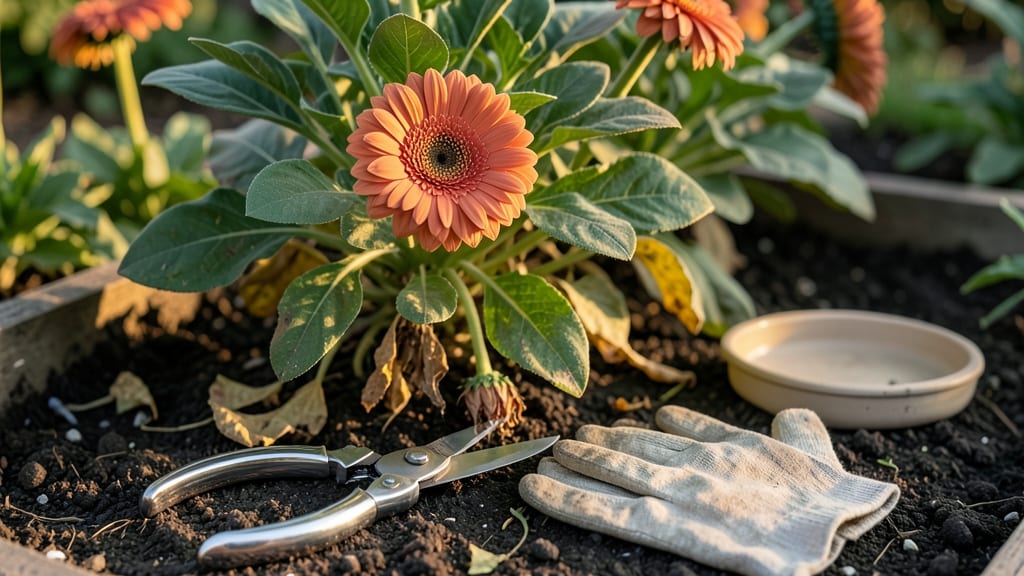
Pruning gerbera daisies isn't just about cutting back—it's the secret to nonstop blooms that turn heads all season long. 🌸 I've learned that skipping this step means fewer flowers and leggy stems that flop over by midsummer.
The right cuts at the right time keep your plants compact, healthy, and bursting with those bright, cheerful blooms you planted for.
Timing matters most: trim spent blooms right after they fade, and give your plants a light haircut in early spring to encourage fresh growth. A sharp pair of pruners (sterilized with rubbing alcohol) makes all the difference—dull blades tear stems and invite disease.
Most gardeners overlook sterilization, but it's the difference between thriving plants and a sad, wilted mess.
What you'll end up with is a bushier plant that blooms twice as hard—more flowers, fuller stems, and that "just-picked-from-the-garden" look all year. The key is consistency: a little maintenance now means vibrant displays from spring through fall without the floppy stems or bare patches.
Works for both in-ground plants and container gerberas, and the same principles apply whether you're dealing with one plant or a whole garden bed. Here's how to do it right every time—no guesswork, just beautiful results.
Root Causes of Poor Pruning Outcomes
Understanding why your gerbera daisies might struggle after pruning—or why they fail to thrive—starts with recognizing the biological and environmental triggers that influence their growth.
Gerbera daisies (Gerbera jamesonii) are sensitive to timing, technique, and stress, and even small missteps can lead to stunted blooms, leggy stems, or disease vulnerability. Below, we break down the key reasons pruning backfires—and how to avoid them.
Gerbera daisies are not heavy cutters like shrubs or trees. Their growth habit relies on a balance between foliage and flower production, and removing too much at once can disrupt this equilibrium.
- Why it happens: - Gerberas store energy in their roots and basal leaves, which fuel regrowth.
When you trim more than one-third of the plant’s foliage in a single session, you deplete these reserves faster than they can replenish. - Hormonal disruption: Over-pruning triggers an overproduction of ethylene gas, a plant stress hormone that can stunt new growth or cause premature senescence (aging) in remaining leaves. - Exposure to pathogens: Large, open wounds from aggressive cuts invite fungal infections (like Botrytis cinerea, which causes gray mold) or bacterial rot, especially in humid conditions.
- Actionable fix:
- Limit cuts to 20-30% of the plant per session, spacing them 4-6 weeks apart.
- Use clean, sharp pruners to make 45-degree angled cuts just above a leaf node (the point where leaves or stems emerge) to minimize stress and encourage branching.
Timing is everything for gerberas. Unlike perennial shrubs, these tender perennials (or annuals, depending on climate) have a strict growth cycle tied to daylight and temperature.
- Why it happens: - Late-season pruning: Trimming gerberas after the first frost or in winter dormancy (in colder climates) signals the plant to halt growth prematurely, reducing next year’s bloom potential. - Early spring cuts: Pruning too early (before the last frost) can expose new shoots to cold damage, as gerberas need consistent soil temps above 60°F (15°C) to regenerate. - Floral bud interference: Gerberas set buds from the base upward.
Pruning too close to flowering season (spring/summer) can remove future bloom points, leading to sparse or weak flowers.
- Actionable fix: - Best time to prune: Early spring (March-April) in mild climates or after the last frost in cooler zones.
For year-round bloomers, prune lightly after each flush of flowers (every 6-8 weeks). - Avoid pruning in fall or winter unless you’re in a tropical climate (Zone 10+), where gerberas grow as perennials.
Water stress—either too much or too little—can turn pruning into a growth killer for gerberas. Their shallow root systems make them particularly vulnerable to moisture imbalances.
- Why it happens: - Underwatering post-prune: When you cut stems, the plant loses transpiration surface area, making it harder to regulate water uptake.
Without adequate hydration, new shoots wilt or die back. - Overwatering post-prune: Soggy soil + fresh cuts = perfect conditions for root rot (Phytophthora or Pythium fungi).
Gerberas hate wet feet and can suffocate if not given time to recover. - Salt buildup: If you’re using tap water with high chlorine/sodium, pruning exposes the plant to osmotic stress, where roots struggle to absorb nutrients.
- Actionable fix:
- Water deeply 24 hours before pruning to ensure the plant is hydrated but not waterlogged.
- After pruning, apply 1 inch of water and mulch with 2-3 inches of organic mulch (like straw or shredded bark) to retain moisture without suffocating roots.
- Use rainwater or filtered water if your tap water is hard or chlorinated.
Gerberas are magnets for pests (like aphids, thrips, and spider mites) and fungal spores when their defenses are weakened. Poor pruning technique can turn a simple trim into an open invitation for infestations.
- Why it happens: - Dirty tools: Pruners contaminated with sap-sucking insects or fungal spores can transfer pathogens directly to healthy tissue.
Gerberas are especially prone to powdery mildew (Erysiphe cichoracearum) when stressed. - Ragged cuts: Jagged edges from dull tools slow healing and create entry points for bacterial leaf spot (Xanthomonas spp.). - Overcrowding: Pruning without thinning out crowded stems reduces air circulation, trapping humidity and encouraging gray mold or rust diseases.
- Actionable fix:
- Sanitize tools with 70% isopropyl alcohol or a 10% bleach solution before and after each use.
- Dispose of diseased foliage immediately—do not compost gerbera leaves with signs of mold or spots.
- Space plants 12-18 inches apart to improve airflow, especially in humid climates.
Gerberas thrive in consistent conditions. Abrupt shifts in light, temperature, or humidity after pruning can derail recovery and lead to weak growth.
- Why it happens: - Moving plants post-prune: Transplanting or relocating gerberas within 2 weeks of pruning disrupts root establishment, causing transplant shock. - Temperature swings: Gerberas hate cold drafts (below 50°F/10°C) or hot, dry air (above 90°F/32°C).
Pruning exposes them to environmental stress, slowing regrowth. - Low light after pruning: If you prune a gerbera in partial shade and then move it to full sun, the sudden UV exposure can scorch new leaves.
- Actionable fix:
- Avoid moving plants for at least 2 weeks after pruning.
- Provide shade cloth (30-50% coverage) if temperatures exceed 85°F (29°C).
- Use grow lights (LED or fluorescent) if natural light drops below 6 hours/day post-prune.
Quick Fixes for Pruning Problems
Pruning gerbera daisies should feel like a breeze—not a battle! Whether your blooms are sparse, leggy, or just not thriving, these practical fixes will help you revive your plants and keep them looking lush year-round.
Below, we’ve mapped common issues to step-by-step solutions, plus prevention tips to avoid future headaches.
Signs: Yellowing leaves, stunted growth, or no new blooms after aggressive trimming.
How to Fix It: 🔥 Step Back & Assess – If you’ve cut back more than 1/3 of the plant at once, it’s time to pause. Gerberas are resilient but not indestructible! 🍳 Feed & Hydrate – Give your plant a balanced fertilizer (10-10-10) and deep watering to recover. Think of it like a smoothie after a tough workout—nutrients help rebuild strength. 👨🍳 Prune Strategically Next Time – Only remove dead or damaged stems and spent blooms. Never trim more than 20% of the plant in one session.
Prevention Tip: 💡 Prune in stages—spread cuts over 2-3 weeks if heavy trimming is needed.
Signs: Flowers lasting only a few days, weak stems, or plants looking "hairy" with too many leaves and few blooms.
How to Fix It: 🔪 Deadhead Like a Pro – Snip off spent blooms at the base (just above a set of leaves) every 2-3 days to encourage new growth. ⏰ Prune for Airflow – Thin out overcrowded foliage to reduce humidity and prevent fungal issues. Aim for space between stems—gerberas love to breathe! 🌡️ Adjust Light & Water – If blooms fade fast, your plant may be overwatered or in low light. Move to bright, indirect sunlight and let the top inch of soil dry between waterings.
Prevention Tip: ✨ Set a pruning schedule—check plants weekly in peak bloom season (spring/fall) to stay ahead.
Signs: Stems stretching too tall, leaves sparse at the base, and flowers clustering only at the top.
How to Fix It: 🌱 Pinch Young Stems – When stems reach 6-8 inches tall, pinch off the top set of leaves to encourage bushier growth. This redirects energy to side shoots. 📊 Fertilize for Blooms – Switch to a phosphorus-rich fertilizer (like 5-10-5) to boost flowering. Avoid heavy nitrogen—it makes leaves, not blooms! 🌞 Maximize Light – Move your gerbera to the sunniest spot (6+ hours of direct light). If indoors, use a grow light for 12-14 hours/day.
Prevention Tip: 🎯 Rotate plants weekly so all sides get even light—prevents lopsided, leggy growth.
Signs: Dark spots on leaves, powdery mildew, or stems turning mushy.
How to Fix It: 🧼 Clean Up Immediately – Remove all infected leaves/stems with sterilized scissors (wipe with rubbing alcohol). Don’t leave debris near the plant! 💧 Improve Drainage – If soil stays soggy, repot in well-draining mix (add perlite or sand). Ensure pots have drainage holes. 🌿 Fungicide Spray – Use a neem oil or copper fungicide spray (follow label instructions). Spray early morning or evening to avoid sunburn on leaves.
Prevention Tip: 🔥 Water at the base—avoid wetting foliage. Use a watering can with a narrow spout for precision.
Signs: Brown, crispy leaves, or no new growth in cold months.
How to Fix It: 🏠 Move Indoors (If Potted) – Gerberas hate frost. Bring potted plants inside near a south-facing window or under grow lights. 🌡️ Reduce Watering – In winter, water only when soil is bone-dry (every 2-3 weeks). Overwatering in cool temps rots roots. ☀️ Simulate Sunlight – If indoors, supplement with LED grow lights (12 hours/day) to prevent legginess.
Prevention Tip: ❄️ Mulch outdoor plants with straw or shredded leaves to insulate roots if you’re in a mild winter zone.
To keep your gerberas blooming like crazy, follow this quick monthly routine:
| Season | Prune | Fertilize | Water |
|---|---|---|---|
| Spring | Deadhead + trim leggy stems | Balanced (10-10-10) | Every 5-7 days |
| Summer | Remove spent blooms weekly | Phosphorus-heavy (5-10-5) | Daily (morning) |
| Fall | Light pruning + pinch new growth | Light nitrogen (5-5-5) | Every 7-10 days |
| Winter | Minimal pruning (only dead stems) | None (or very light) | Every 2-3 weeks |
Final Pro Tip: 🌟 Keep a pruning journal! Note what works (and what doesn’t) for your specific gerbera variety. Some types bloom all year, while others need a winter rest—adjust your routine accordingly.
Now grab those shears and get pruning—your gerberas will thank you with vibrant blooms for months! 🌸✂️
Frequently asked questions
When is the best time of year to prune gerbera daisies?
For most climates, prune gerberas in early spring (March-April) after the last frost, or lightly after each bloom cycle (every 6-8 weeks). Avoid heavy pruning in fall or winter—this can shock the plant and reduce next season's blooms. In tropical zones (Zone 10+), you can prune year-round.
How much should I cut back gerbera daisies?
Never remove more than 20-30% of the plant in one session. For deadheading, simply snip spent blooms at the base. For shaping, trim leggy stems back to just above a leaf node (where leaves emerge). Over-pruning stresses gerberas and can reduce flowering.
Can I use regular scissors to prune gerbera daisies?
No—always use clean, sharp pruners (or small garden shears) to make precise cuts. Dull blades tear stems, inviting disease. Sterilize your tools with rubbing alcohol before and after each use to prevent spreading pathogens like powdery mildew.
Why do my gerbera daisies get leggy after pruning?
Leggy growth usually means too little light or excessive nitrogen fertilizer. After pruning, move your gerberas to the sunniest spot possible (6+ hours of direct light) and switch to a phosphorus-rich fertilizer (5-10-5) to encourage blooms over foliage. Rotate pots weekly for even growth.
What should I do with pruned gerbera stems?
Dispose of healthy pruned stems in your compost bin, but never compost diseased or moldy foliage. For the best results, remove all debris from the planting area to prevent pests and fungal spores from lingering. You can also use stems as cut flowers—they last beautifully in vases!