
Pruning
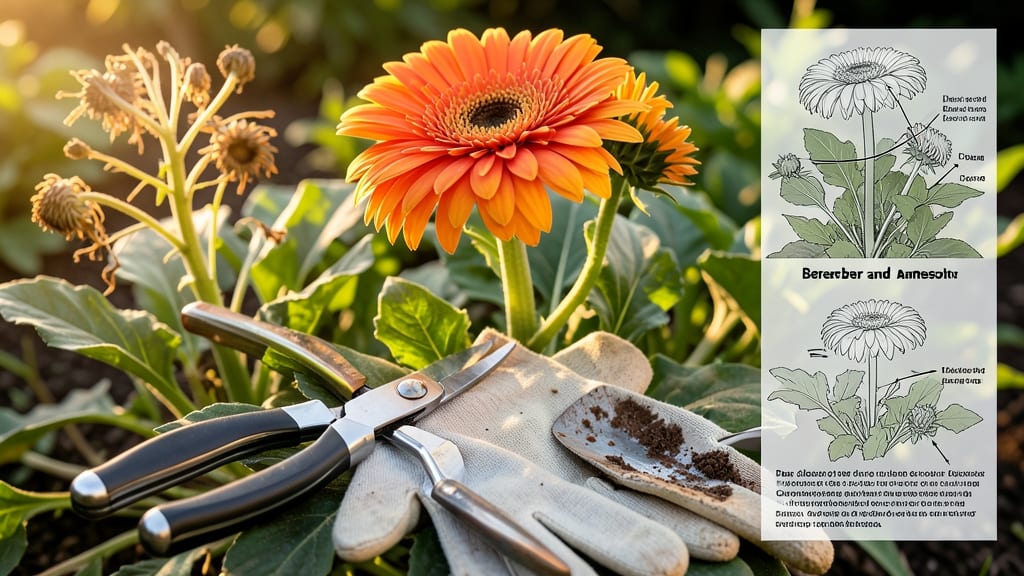
Pruning gerber daisies isn’t just about tidying up—it’s the secret to nonstop summer blooms that put your neighbors’ gardens to shame. 🌼 I’ve spent years watching these cheerful flowers transform from occasional bloomers into lush, continuous displays after mastering the right cuts.
The key? Timing, technique, and knowing when to stop. Start with clean, sharp pruners (dull blades crush stems) and focus on spent blooms first—snip just above the next set of leaves to encourage new growth.
After the first flush of flowers fades in early summer, you’ll enter a cycle of deadheading every 7-10 days to keep the plant producing. This isn’t optional; it’s how gerbers stay in bloom until frost.
What you’ll end up with is stems that stay strong and upright, fewer pests hiding in dense foliage, and blooms that last 2-3 weeks longer than unpruned plants. The air circulation improves, too, so those vibrant petals stay dry and disease-free.
It’s the difference between a garden that fades by July and one that steals the show all season. Works for both potted gerbers and in-ground plants, and the same principles apply whether you’re pruning in full sun or partial shade. Let’s get those blooms going strong!
📚 In This Guide
- What you need
- Instructions
- Tips and common mistakes
- Wrapping up and next steps
What you need
- ● Bypass pruners: A sharp pair (5- to 7-inch blades) for clean cuts on stems up to ½ inch thick. Pro tip: Choose stainless steel for durability and rust resistance! 💡
- ○ Hand pruners (felco or similar): For smaller stems or tight spaces (optional but handy).
- ● Garden shears or loppers: For thicker stems (½ inch or larger) or overgrown plants. Look for ergonomic handles to reduce hand fatigue.
- ● Gloves: Heavy-duty gardening gloves (nitrile-coated for grip and protection) to shield hands from thorns and dirt.
- ● Disinfectant (70% isopropyl alcohol or bleach solution): Clean tools between cuts to prevent disease spread. Mix 1 part bleach to 9 parts water for a DIY solution. ✨
- ● Knee pads or a small stool: For comfort during extended pruning sessions.
- ● Trash bag or bucket: To collect spent blooms and debris.
- ● Hose with nozzle: For rinsing tools or refreshing plants post-pruning.
- ● Pruning saw: Only needed if dealing with extremely thick stems (rare for gerber daisies).
- ● Timing: Prune on a dry, sunny morning to reduce stress on the plant and allow wounds to heal quickly.
- ● Weather check: Avoid pruning if rain is forecasted within 24 hours.
- ● Plant health: Ensure your gerber daisies are well-watered 1–2 days before pruning.
Step-by-Step guide to pruning gerber daisies for continuous blooms
Here's how I keep my gerber daisies flowering nonstop—just follow these seasonal deadheading techniques.
✂️ Step 1: Deadhead Spent Blooms Immediately After Flowering
As soon as a gerber daisy bloom fades completely (petals turn brown and droop), snip the entire flower head off just above the next set of healthy leaves. I use sharp bypass pruners to make clean cuts—this prevents disease entry points and encourages new buds to form at the base.
Never leave the stem attached to a dead bloom. You'll see new buds forming within 2-3 weeks if you prune consistently. The key is timing: wait until the bloom is fully spent before cutting, or you risk removing potential future flowers still in bud form.
✂️ Step 2: Light Pruning After First Major Bloom Cycle
Once your gerber daisies complete their first major flush of blooms (typically 6-8 weeks after planting), give them a light haircut. Cut back each stem by one-third of its height, but never below the lowest set of leaves. This removes old growth and stimulates fresh, bushier growth.
I like to do this in early summer when the plants look leggy. The plant will respond by producing new stems from the base, creating that lush, full look. Avoid pruning during extreme heat—wait until morning when temperatures are below 85°F for best results.
✂️ Step 3: Mid-Season Renewal Pruning for Fall Blooms
Around mid-summer (July), give your gerber daisies another strategic pruning to extend their blooming season. Cut back all stems to 4-6 inches above the ground, but leave at least 2-3 sets of leaves on each stem. This aggressive pruning might look drastic, but it triggers a second flush of blooms that often lasts until frost.
After pruning, water deeply to help the plants recover. You'll notice new growth emerging from the base within 10-14 days. This is the perfect time to add a balanced fertilizer (10-10-10) to support the new growth and extended flowering period.
✂️ Step 4: Late Season Cleanup for Winter Preparation
When your gerber daisies finally stop blooming in fall (usually October), cut back all stems to 2-3 inches above the ground. This removes any remaining dead growth and helps prevent disease overwintering. I leave the foliage until after the first hard frost, then remove all plant debris from the garden bed.
Don't worry about cutting too much—gerber daisies are tough perennials in zones 5-9 (with winter protection in colder areas). The clean cut encourages fresh, healthy growth in spring. Mulch the base with 2-3 inches of organic mulch to protect roots during winter.
☀️ Step 5: Spring Pruning to Encourage New Growth
As soon as new shoots appear in spring (usually late March to April), do a final light pruning. Remove any dead or damaged stems completely, then cut back all remaining stems by half their height. This opens up the plant for better air circulation and sunlight penetration.
Spring is also the time to divide overcrowded clumps. Every 3-4 years, dig up the entire plant and separate the roots into smaller sections. Each section should have 3-5 stems and plenty of roots. Replant immediately and water well to establish the divisions.
Tips & tricks for perfect gerber daisy pruning
Here's what nobody tells you about keeping your gerber daisies blooming all season long—these are the secrets that make the difference between occasional flowers and continuous blooms.
Tool Selection: Sharp bypass pruners are non-negotiable for clean cuts that heal properly. I've tried dull scissors and shears—both leave jagged edges that invite disease. Sterilize your tools with rubbing alcohol between cuts on different plants to prevent cross-contamination, especially when dealing with multiple gerber daisy varieties in the same garden.
Visual Pruning Cues: In Step 1, look for the telltale brown petals and drooping center before deadheading—this is your cue that the bloom is fully spent. For Step 2's light pruning, imagine dividing the stem into thirds and cutting at the top third. This visual guide helps maintain that one-third reduction without over-pruning. Remember, you're shaping the plant's energy toward new growth at the base.
Seasonal Timing Strategy: The mid-summer renewal pruning in Step 3 is your secret weapon for fall blooms. This aggressive cut might seem counterintuitive, but gerber daisies respond beautifully to this shock treatment. Time it for July when days are still long enough to support recovery before winter. The 10-14 day recovery period gives you a clear window to monitor progress and adjust care as needed.
Winter Protection: For zones 5-9, the 2-3 inch mulch layer isn't just decorative—it's insulation. I use shredded leaves or straw because they break down slowly, adding organic matter to the soil. In colder zones, add a layer of burlap over the mulch for extra protection during extreme cold snaps. This simple layering system prevents root freeze damage while maintaining proper airflow.
Pro Tips for Prune Gerber Daisies
- Here's what nobody tells you about keeping your gerber daisies blooming all season long—these are the secrets that make the difference between occasional flowers and continuous blooms.
- Tool Selection: Sharp bypass pruners are non-negotiable for clean cuts that heal properly.
- Visual Pruning Cues: In Step 1, look for the telltale brown petals and drooping center before deadheading—this is your cue that the bloom is fully spent.
Frequently asked questions
Got questions about keeping your gerber daisies blooming like crazy? You’re not alone—pruning can feel tricky, but we’ve got answers! Here are the most common queries (and expert tips) to help you master the art of deadheading and pruning.
When is the best time to prune gerber daisies?
Prune gerber daisies regularly during their blooming season (spring through fall). Deadhead faded blooms immediately to encourage new flowers. For winter prep, cut back stems to 2–3 inches above the ground after the first frost—but avoid heavy pruning in late fall if your climate stays mild.
Do I need special tools to prune gerber daisies?
Not at all! Use clean, sharp hand pruners or gardening shears for precision. For larger clumps, bypass pruners work best. Pro tip: Disinfect tools with rubbing alcohol between cuts to prevent disease. Avoid dull tools—they crush stems, stressing the plant.
What if my gerber daisies stop blooming after pruning?
Fewer blooms often mean over-pruning or nutrient deficiency. Check your technique: leave 2–3 sets of leaves below the cut, and fertilize lightly with balanced bloom booster (10-10-10) after pruning. If the plant looks leggy, it may need more sunlight (6+ hours/day) or less water.
Can I prune gerber daisies in winter?
Light pruning is fine in mild winters (zones 8–10), but avoid heavy cuts in freezing temps. In colder areas, wait until early spring (after last frost) to trim back dead foliage. Warning: Never prune in frost—it invites rot. If stems are mushy, trim only the damaged parts and wait for warmer weather.
What’s the difference between deadheading and pruning?
| Deadheading | Pruning |
|---|---|
| Removing only faded blooms to encourage more flowers. | Trimming entire stems or shaping the plant for health/growth (e.g., cutting back leggy stems). |
| Done throughout the growing season. | Done seasonally (e.g., winter cleanup, spring shaping). |
Quick tip: Deadhead daily for peak blooms, but prune 2–3 times/year for long-term plant vigor.
Wrapping up and next steps
Pruning your gerber daisies is a simple yet powerful way to keep them thriving and blooming beautifully all season long! 🌸 By mastering the art of deadheading and seasonal trimming, you’ll encourage more vibrant flowers and a healthier plant.
Start with the basics—clean tools, the right timing, and gentle cuts—and soon, your garden will be bursting with color.
Ready to take your gerber daisy care to the next level? Grab your pruners and head outdoors! With a little practice, you’ll be a pruning pro in no time. Happy gardening! 🌿