
Pruning
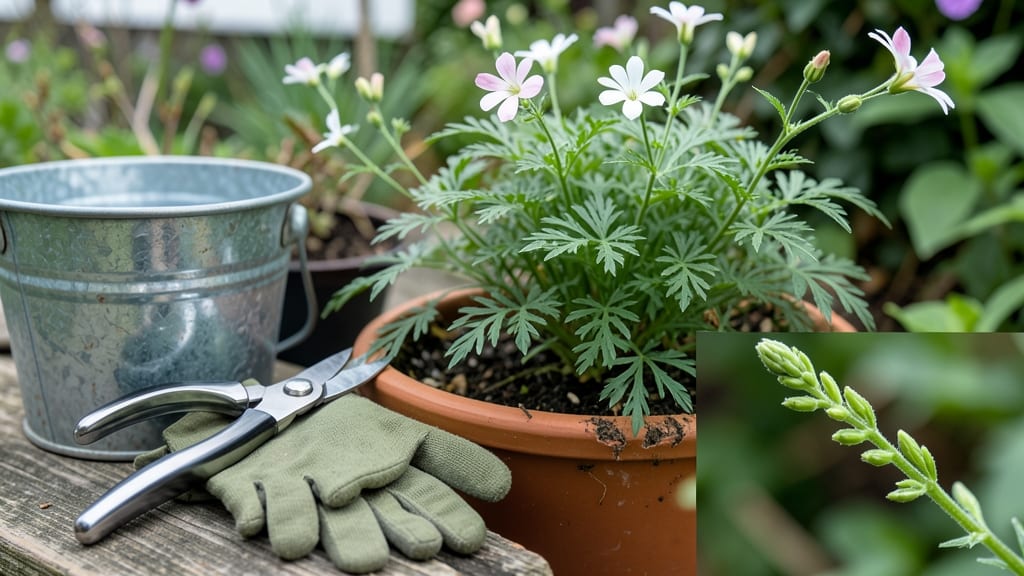
Pruning gaura transforms floppy, overgrown stalks into dense, cascading clouds of pink and white blooms that last all summer. ✨ I’ve spent years watching this plant go from scraggly to showstopper with just a few strategic cuts—and the secret isn’t complicated.
Gaura’s natural habit is to bloom continuously, but without pruning, it puts all its energy into leggy stems instead of flowers. The right timing and technique turn this into a foolproof way to double your blooms.
The best time to prune is early spring, when new growth starts, or right after the first flush of flowers fades in late spring. Grab sharp pruners (or clean scissors) and cut back one-third of the oldest stems to the ground—this encourages fresh, bushier growth.
For leggy stems later in the season, simply snip them back to a leaf joint, and watch new branches sprout within weeks. The key is to never cut more than a third at once, or you’ll shock the plant.
You’ll end up with a plant that looks like it’s blooming nonstop, with stems packed tight and flowers spilling over pots or garden edges. Gaura’s airy texture makes it perfect for borders, containers, or even cutting—each stem holds dozens of tiny blooms.
The more you prune, the more it rewards you with longer seasons of color, even into fall frost. It’s one of those plants that gets easier (and more rewarding) each year.
Works in full sun to partial shade, drought-tolerant once established, and thrives in well-draining soil. If you’ve ever let gaura get too leggy, this is your chance to reset it—without losing a single bloom. Here’s how to do it right the first time.
📚 In This Guide
- What you need
- Instructions
- Tips and common mistakes
- Wrapping up and next steps
What you need
- ● Sharp pruning shears – Bypass pruners (4- to 6-inch blades) for clean cuts on stems up to ½-inch thick. Sterilize with rubbing alcohol before and after use! 🧴
- ● Hand pruners – For smaller stems or deadheading individual blooms (look for ergonomic grips to avoid hand fatigue).
- ○ Garden gloves – Nitrile-coated or leather (medium-weight) to protect against thorns and dirt. Optional: Long sleeves if your Gaura is thorny!
- ● Disinfectant spray (70% isopropyl alcohol or hydrogen peroxide) – 1-2 sprays per tool to prevent disease spread.
- ● Loppers – For thicker stems (if your Gaura has woody growth). 8-inch bypass loppers work best.
- ● Garden twine or plant ties – To secure leggy stems if you’re shaping the plant. 1-2 feet per plant should suffice.
- ● Pruning saw – Only if dealing with very thick (1+ inch) stems. Curved blade recommended for precision.
- ● Compost bin or bag – For collecting pruned debris. 10-15 gallon capacity is ideal for small to medium plants.
- ● Knee pad or stool – Because pruning shouldn’t be a back-breaker! 🪑
- ● Timing: Prune in early spring (before new growth) or late summer (after blooming). Avoid pruning in fall—Gaura needs time to harden off!
- ● Weather: Choose a dry, overcast day to minimize stress on the plant. Never prune after rain or in scorching heat.
- ● Plant health check: Inspect for pests (like aphids) or disease (e.g., powdery mildew) before pruning. Treat issues first!
Step-by-Step instructions for pruning gaura
Here's how to keep your gaura blooming nonstop—no fancy tools or guesswork required.
✂️ Step 1: Time Your First Cut for Peak Bloom
Prune gaura in early spring as new growth emerges, before the first flush of flowers appears. This encourages bushier stems and more blooms later. I always wait until I see 2-3 inches of fresh green growth—that's your signal the plant has stored enough energy for a strong response.
Use clean, sharp pruners (or even scissors) to cut back one-third of the oldest stems at the base. Gaura produces flowers on both old and new wood, so never remove more than a third at once. If you're working with established plants, focus on the tallest, leggiest stems first—they're the ones hogging energy that could go to blooms.
✂️ Step 2: Deadhead Regularly for Continuous Flowers
Deadheading is where gaura magic happens. Pinch or snip off spent flower clusters right at the base of the stem every 7-10 days during the blooming season. You'll know a flower is done when the petals drop and the center turns brown—don't wait for seed pods to form, or the plant will shift energy to seed production instead of new blooms.
I like to do this on a dry morning when the stems are stiff. Hold the stem between your fingers and give it a sharp twist to snap it cleanly—this works faster than pruners for small stems. If you see bare stems with no buds, cut back to the nearest set of leaves to encourage new growth. Gaura's airy habit means you'll never over-prune, but don't let more than half the stems go bare at once.
☀️ Step 3: Lighten Up in Late Summer for Next Year's Growth
Around mid-to-late August, give gaura a second light pruning. At this point, growth naturally slows as the plant prepares for winter. Cut back all stems by half—this removes the season's oldest growth and stimulates fresh, vigorous shoots that will bloom even harder next year.
This is also your chance to shape the plant. Gaura's natural cascading habit often gets uneven, so use this cut to encourage a fuller look. Angle your cuts slightly above leaf nodes (the small bumps where leaves attach) to promote branching. If your gaura has gotten woody at the base, trim those stems back to the crown—they won't regrow, but the plant will send up fresh, flower-filled stems from the base.
⏰ Step 4: Winter Prep and Spring Cleanup
In late fall, after the first hard frost, cut back all stems to 2-3 inches above the ground. Gaura is hardy, but this clean cut removes dead growth and prevents disease overwinter. I never worry about cutting too much—gaura's deep roots store enough energy to bounce back spectacularly.
In very cold climates (below Zone 5), you might see some dieback, but the roots survive. Wait until late April or early May to prune again—by then, you'll see fresh green shoots emerging. Give those a light trim to encourage bushiness before the main blooming season begins.
Tips & tricks for perfect gaura pruning
These simple strategies will help you transform your gaura into a nonstop summer bloomer—without the guesswork.
Timing Secret: The early spring cut in Step 1 is all about catching that 2-3 inches of fresh growth—this signals the plant's energy reserves are ready to redirect. I've learned the hard way that waiting too long means missing the prime window for bushier stems. If you're in a cooler climate, don't rush—wait for those vibrant new shoots to appear before pruning.
Deadheading Technique: That 7-10 day deadheading schedule in Step 2 is your secret weapon for continuous blooms. Here's what I do: I grab a handful of stems, twist them sharply between my fingers, and snap them cleanly. This method works faster than pruners and prevents tearing the delicate stems. For gaura with bare stems showing no buds, cut back to the nearest leaf node—this forces the plant to send out new growth from that point.
Late Summer Strategy: When you're doing that mid-to-late August pruning in Step 3, think of it as a reset button for next year's blooms. Focus on removing the tallest, leggiest stems first—these are the energy hogs that prevent dense flowering. Angle your cuts just above leaf nodes to encourage branching. If you see woody stems at the base, trim them back to the crown—the plant will send up fresh, flower-filled stems from there.
Winter Prep Insight: That 2-3 inch fall cut in Step 4 might seem drastic, but gaura's deep roots store enough energy to bounce back spectacularly. In Zone 5 or colder, you might see some dieback, but the roots will survive. Wait until you see those fresh green shoots in late April or early May before doing your final spring trim—this ensures you're not cutting back any new growth too soon.
Pro Tips for Prune Gaura
- These simple strategies will help you transform your gaura into a nonstop summer bloomer—without the guesswork.
- Timing Secret: The early spring cut in Step 1 is all about catching that 2-3 inches of fresh growth—this signals the plant's energy reserves are ready to redirect.
- Deadheading Technique: That 7-10 day deadheading schedule in Step 2 is your secret weapon for continuous blooms.
Frequently asked questions
Got questions about pruning gaura?
You’re not alone! Here are answers to the most common concerns—from timing to troubleshooting—to keep your cascading blooms thriving all season.
When is the best time to prune gaura?
Prune gaura in early spring (before new growth starts) or after heavy blooming (late summer). For a second flush of flowers, trim back by ⅓ in mid-summer—just avoid pruning in fall or winter, as it can damage cold-sensitive stems.
Should I deadhead gaura flowers?
Yes! Deadheading (removing spent blooms) encourages more flowers and prevents seed formation. Snip just above a set of leaves or a healthy bud. Pro tip: Use clean, sharp pruners to avoid tearing stems, which can invite disease.
Can I prune gaura too much?
Over-pruning can stress gaura, especially if you cut back more than ⅓ of the plant at once. Focus on removing only dead, damaged, or leggy stems. Gaura is resilient, but moderation keeps it bushy and blooming.
What if my gaura looks leggy after pruning?
Leggy growth often happens if pruned too late in the season or if the plant isn’t getting enough light. To fix it, trim back only the longest stems to encourage denser growth. Move the plant to full sun (6+ hours daily) and fertilize lightly with a balanced 10-10-10 formula.
Can I propagate gaura from pruned cuttings?
Take 3–4 inch cuttings from healthy stems, strip the lower leaves, and dip in rooting hormone. Plant in moist potting mix and keep in bright, indirect light until roots form (4–6 weeks). Gaura roots easily—great for sharing with friends!
Wrapping up and next steps
Pruning your gaura doesn’t have to be intimidating—with the right timing and technique, you’ll unlock longer blooms, healthier plants, and stunning summer cascades. Remember to deadhead spent flowers, trim leggy stems, and avoid over-pruning to keep your gaura thriving.
Whether you’re a beginner or a seasoned gardener, a little effort now means months of effortless beauty!
Ready to transform your garden? Grab your shears and review the tools—then head outside and give your gaura the love it deserves! 🌸✂️