
Pruning
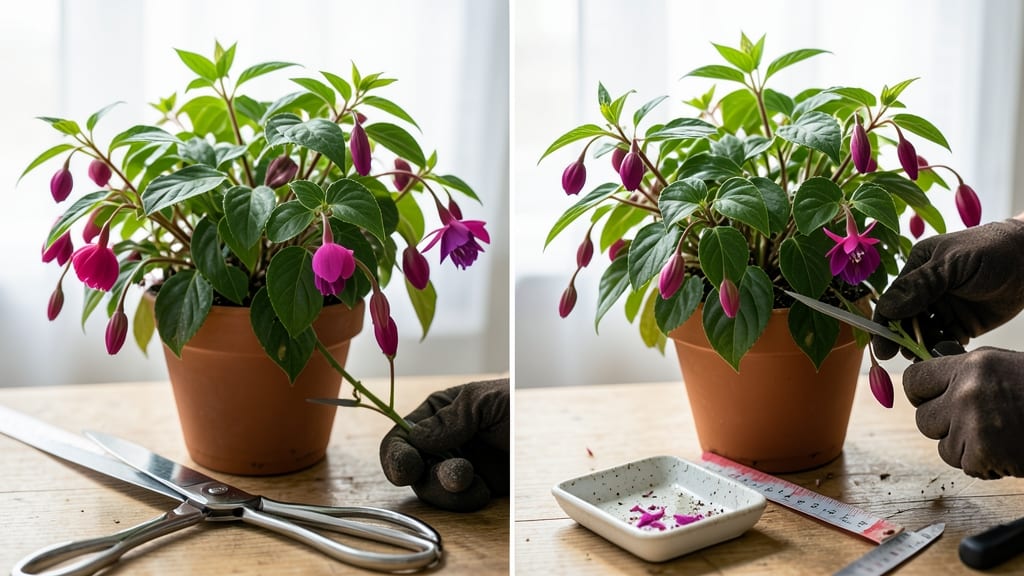
How to prune fuchsia plants turns late-winter survivors into bushy, blooming powerhouses—and the secret lies in timing, cuts, and a little patience. ✂️ I’ve pruned fuchsias for years, and the difference between a tangle of bare stems and a lush, flower-covered plant comes down to two simple rules: cut back hard in late winter and shape for airflow. Most gardeners wait too long, and by spring, the plant’s already spent its energy trying to recover. The tools you need are basic: sharp pruners (dull blades crush stems), a clean cutting surface, and a spray bottle of rubbing alcohol to sterilize between cuts. You’ll also want a notebook to track which canes you prune—this helps you remember where the strongest growth appears next season. The goal is to reduce each stem to 4-6 inches tall, cutting just above a leaf node where new growth will sprout. What you’ll end up with is a plant that blooms earlier, lasts longer, and produces more flowers than unpruned fuchsias. The first flush of new growth appears in 3-4 weeks, and by summer, your plant will be a dense, velvety cloud of blooms. The key is to prune while the plant’s still dormant—this gives it time to recover before the heat of summer. For those worried about over-pruning, here’s the rule: never cut more than ⅓ of the plant’s total growth at once. If you’re unsure, take a photo before you start—you’ll thank yourself later when the new shoots emerge. Now grab those shears and let’s get to work!
📚 In This Guide
- What you need
- Instructions
- Tips and common mistakes
- Wrapping up and next steps
What you need
- ● Pruning shears or bypass pruners – Sharp, clean tools (preferably sterilized with rubbing alcohol) to make precise cuts without crushing stems.
- ● Garden gloves – A pair of durable, cut-resistant gloves to protect your hands from thorns and sap.
- ● Disinfectant (rubbing alcohol or hydrogen peroxide) – A small bottle to sterilize tools between cuts and prevent disease spread.
- ○ Small bucket or tray – For collecting pruned cuttings (optional but helpful for propagation!).
- ● Sharp pencil or marker – To label cuttings if you plan to root them later.
- ● Hand pruners or loppers – For thicker stems (though fuchsias rarely need them).
- ● Rooting hormone – If propagating cuttings, this boosts success rates.
- ● Pruning saw (rarely needed) – Only for very thick, woody stems in mature plants.
- ● Garden twine or clips – To secure large branches if needed after pruning.
Step-by-Step instructions for pruning fuchsia plants
Late winter is the perfect time to shape fuchsias—here’s how to encourage dense growth and spectacular blooms.
✂️ Step 1: Gather Tools and Prep for Pruning
Start with clean, sharp pruners—dull blades crush stems and invite disease. I always sterilize my tools with rubbing alcohol before cutting. Fuchsias grow best with a mix of old and new growth, so you won’t be removing everything. Grab a small spray bottle with water to mist cut stems immediately after pruning.
Work in a well-lit area where you can see the plant’s structure clearly. Fuchsias have trailing canes that grow downward, so examine each stem for signs of damage or weak growth. If your plant has woody, thick stems, those are older canes that need more aggressive pruning. Thin stems indicate younger growth that should be preserved.
✂️ Step 2: Cut Back Old Growth Strategically
Fuchsias bloom on new growth, so focus on removing only the oldest, leggiest stems. Look for canes that are thick, bare, or have fewer than 3-4 buds. Cut these back to within ¼ inch of a healthy bud or leaf node. I like to make my cuts at a slight angle just above the node—this prevents water from pooling and rotting the stem.
Don’t prune more than ⅓ of the plant at once. Fuchsias are resilient, but aggressive cutting can stress them. If your plant has multiple canes, prioritize removing the oldest ones first. You’ll know you’re on the right track when you see clusters of buds along the remaining stems—these will sprout into fresh, blooming growth.
✂️ Step 3: Thin Out Crowded Stems for Better Airflow
Crowded stems compete for sunlight and nutrients, leading to weak blooms. Use your fingers to gently separate stems and identify any that are crossing or rubbing against each other. Remove these entirely at the base. For trailing fuchsias, focus on thinning out the center of the plant first—this encourages outward growth and a fuller shape.
Step back occasionally to check your progress. The goal is a balanced plant with open centers and no overlapping canes. If you’re unsure which stems to keep, remember: thicker stems mean older growth, while thinner, flexible canes are younger and more productive. Leave at least 3-4 strong stems per plant to ensure a robust blooming season.
☀️ Step 4: Encourage New Growth with Light and Care
After pruning, place your fuchsias in bright, indirect light—think filtered sunlight rather than harsh afternoon rays. If you’re growing them indoors, a south- or east-facing window is ideal. Within 2-3 weeks, you should see new buds forming at the nodes where you made cuts. Mist the plant lightly every few days to maintain humidity, especially if your home has dry air.
Hold off on fertilizing for 4-6 weeks to let the plant recover. Once new growth appears, switch to a balanced, water-soluble fertilizer diluted to half strength. This gives your fuchsias the nutrients they need to develop strong stems and abundant blooms. Watch for the first flush of fresh leaves—this is your signal that the pruning worked.
🌿 Step 5: Monitor and Adjust for Ongoing Health
Check your pruned fuchsias weekly for signs of stress, like yellowing leaves or wilting stems. If you see new growth slowing after a few weeks, move the plant to a slightly warmer spot or increase light exposure. Fuchsias thrive in temperatures between 60-75°F—if your home runs cooler, a heat mat or grow light can help.
As the growing season progresses, continue light pruning to shape the plant and remove spent blooms. Pinch back the tips of new growth to encourage bushier canes. By late spring, your fuchsias should be lush and ready to burst into color. The key is patience—rushed pruning or over-trimming can delay blooming, but a gentle touch now sets you up for a stunning summer display.
Tips & tricks for pruning fuchsia plants
Late-winter pruning transforms fuchsias from leggy survivors into vibrant bloomers—here's how to avoid common pitfalls and maximize results.
Tool Prep is Non-Negotiable: I can't stress this enough—sterilizing your pruners with rubbing alcohol before cutting prevents bacterial infections that can rot stems. I also keep a small spray bottle of water handy to immediately mist cut stems after pruning. This mimics natural dew conditions and helps the plant recover faster. Think of it like giving your fuchsia a refreshing drink after its haircut!
The 25% Rule for Pruning: Never remove more than one-quarter of the plant in a single session, as instructed in Step 2. I've learned this the hard way—aggressive pruning shocks fuchsias and can delay blooming for weeks. Focus on the oldest, thickest canes first, as these are the least productive. Look for stems with fewer than 3-4 buds; these are the ones that need to go.
Light Exposure After Pruning: The 2-3 week window mentioned for new bud formation depends entirely on proper light conditions. Place your pruned fuchsias in bright, indirect light immediately after cutting. If you're growing them indoors, a south-facing window is ideal—but watch out for harsh afternoon sun that can scorch delicate new growth. I've found that rotating the plant quarter-turn daily helps ensure even light exposure all around.
Fertilizer Timing Matters: The 4-6 week waiting period before fertilizing might seem long, but it's crucial. During this time, your fuchsia is directing all its energy toward root and stem regeneration. I recommend using a balanced, water-soluble fertilizer diluted to half strength once new growth appears—this gives your plants exactly what they need without overwhelming them. Too much fertilizer too soon can actually stunt new growth.
Pro Tips for Prune Fuchsia Plants
- Late-winter pruning transforms fuchsias from leggy survivors into vibrant bloomers—here's how to avoid common pitfalls and maximize results.
- Tool Prep is Non-Negotiable: I can't stress this enough—sterilizing your pruners with rubbing alcohol before cutting prevents bacterial infections that can rot stems.
- The 25% Rule for Pruning: Never remove more than one-quarter of the plant in a single session, as instructed in Step 2.
Frequently asked questions
Got questions about pruning your fuchsias? You’re not alone!
Here are answers to the most common queries—so you can prune like a pro and keep those stunning blooms coming.
When is the best time to prune fuchsias?
Late winter (just before new growth starts) is ideal—typically February or March in most climates. This gives your plant a head start for the spring blooming season. If you missed the window, you can do a light trim in early spring, but avoid heavy pruning after growth begins.
How much should I cut back my fuchsia plants?
For most varieties, prune back one-third to half of the previous year’s growth. Cut just above a leaf node (where leaves or buds grow) to encourage new branches. Over-pruning can stress the plant, while under-pruning may lead to leggy, sparse growth.
Can I prune fuchsias in the fall or winter?
Light trimming in fall to remove dead or damaged growth is fine, but avoid heavy pruning until late winter. Pruning too early can expose the plant to cold damage. If your fuchsia is dormant in winter, wait until buds swell before cutting back.
What if my fuchsia doesn’t bloom after pruning?
If your fuchsia skips blooming, check these fixes:
- Light: Ensure it gets partial shade (morning sun, afternoon shade). Too much sun can stress the plant.
- Water: Keep soil consistently moist but not soggy.
- Fertilizer: Use a balanced, water-soluble fertilizer (like 10-10-10) every 4-6 weeks during growing season.
- Variety: Some fuchsias (like hardy fuchsias) bloom on old wood, while others (like tender fuchsias) bloom on new growth. Prune accordingly!
Do I need special tools to prune fuchsias?
Not necessarily! Sharp bypass pruners or clean scissors work great for most jobs. For thicker stems, felco pruners or a hand saw can help. Always sterilize tools with rubbing alcohol to prevent disease spread. No fancy tools? Even clean, sharp kitchen shears can do the trick!
Wrapping up and next steps
Pruning your fuchsia plants in late winter isn’t just about tidying up—it’s your secret weapon for bigger blooms and healthier growth!
By following these steps, you’ll encourage strong canes, vibrant flowers, and a plant that thrives all season long. 🌸 Now that you’re armed with the how-to, grab those shears and get ready to transform your fuchsias into showstoppers.
Ready to take it further? Experiment with different pruning techniques or share your progress with fellow gardeners—your fuchsias will thank you! 🌿