
Pruning
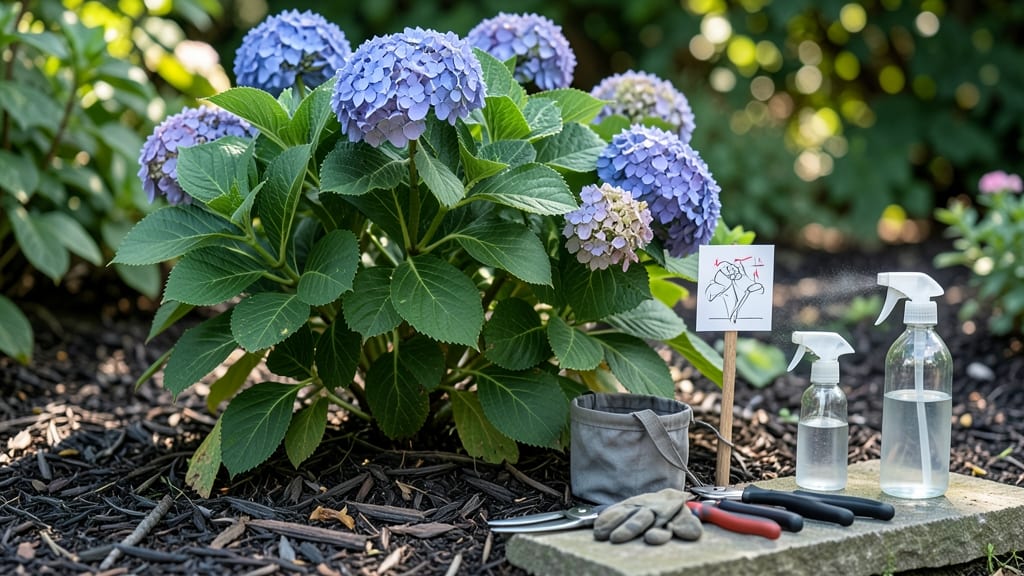
Late-winter pruning transforms your flower bushes from scraggly to showstopping. ✂️ I’ve spent years watching bushes go from sad to spectacular after just a few strategic cuts—and the secret isn’t complicated.
The key is timing, the right cuts, and knowing which types of shrubs bloom on old wood versus new growth. Skip this step, and you’ll end up with fewer flowers and more leggy branches.
You’ll need sharp pruners, a saw for thicker branches, and a clean workspace. The goal is to open up the center for airflow, shape the bush, and encourage strong new growth.
For spring-blooming shrubs like lilacs, cut back by ⅓ right after flowering; for summer-bloomers like hydrangeas, prune in late winter to shape for the season ahead. Think of it as giving your bushes a haircut that sets them up for months of blooms.
After pruning, your bushes will reward you with fuller foliage, more flowers, and fewer pests hiding in dense branches. The first flush of new growth appears within 2-3 weeks, and by summer, you’ll have the bushiest, most vibrant plants on the block.
Just avoid the common mistakes—like cutting too late in the season or leaving stubs—that turn pruning into a setback instead of a game-changer.
This method works for roses, hydrangeas, lilacs, and even butterfly bushes. Whether you’re a beginner or a seasoned gardener, the principles stay the same: cut back dead wood, shape for airflow, and never remove more than ⅓ of the bush at once.
Ready to see your flower beds come alive? Let’s get started.
📚 In This Guide
- What you need
- Instructions
- Tips and common mistakes
- Wrapping up and next steps
What you need
- ● Bypass Pruners: Sharp, high-quality pruners (e.g., Felco or Fiskars) for clean cuts on small to medium stems. Size: 6-8 inches, ergonomic grip.
- ● Loppers: For thicker branches (½ to 1½ inches in diameter). Look for: Bypass blades, 18-24 inches long.
- ● Pruning Saw: For stubborn, woody stems (1½+ inches thick). Type: Curved-tooth saw for clean cuts.
- ● Garden Gloves: Heavy-duty, cut-resistant gloves (e.g., Mechanix or Wolverine) to protect hands from thorns and sharp tools.
- ● Disinfectant: 70% isopropyl alcohol or a 10% bleach solution to sterilize tools between cuts (prevents disease spread).
- ● Hand Pruners (for precision): Smaller than bypass pruners, great for delicate trimming.
- ● Extension Pole: Attach loppers or a pruning saw to reach high branches (12-16 feet).
- ● Sharpie or Markers: For labeling branches if you’re doing layered pruning (e.g., marking "bloom" vs. "growth" stems).
- ● Bucket or Bag: To collect pruned branches for composting or disposal.
- ● Weather Check: Prune on a dry, calm day (avoid rain or wind).
- ● Research Your Plants: Know if your bushes bloom on new or old wood—this dictates when/what to cut!
- ● Safety First: Wear long sleeves/pants to avoid scratches and remove jewelry that could snag.
Step-by-step guide to pruning flower bushes for abundant blooms
Late winter is the perfect time to refresh your flower bushes—here’s how to do it right.
✂️ Step 1: Gather Tools and Identify Bush Type
Start by grabbing your sharp pruning shears and gloves—dull blades tear stems and stress plants. I always clean my tools with rubbing alcohol first to prevent spreading disease. Next, identify your bush type because pruning rules differ. Spring-bloomers like lilacs and forsythia flower on last year’s growth, so you’ll cut back lightly. Summer-bloomers like hydrangeas and roses produce flowers on new growth, so you can prune more aggressively.
Look for dead or crossing branches—these need immediate removal. Dead wood is easy to spot: it’s hollow, brown, or snaps when bent. Crossing branches rub against each other, creating wounds where pests love to hide. Mark these with a piece of twine if you’re unsure which to remove first.
✂️ Step 2: Remove Dead, Diseased, or Weak Growth
Begin by cutting out any dead, diseased, or weak branches at their base. For dead branches, cut just outside the branch collar—the swollen area where the branch meets the trunk. This ensures the plant can seal the wound properly. If a branch is diseased (look for black spots, mold, or oozing sap), sterilize your shears between cuts with rubbing alcohol to avoid spreading pathogens.
For weak growth, look for thin stems that don’t hold their shape or have sparse foliage. These branches steal energy from the rest of the plant. Cut them back to a strong, outward-facing bud or side branch. You’ll notice the bush’s structure become more open and airy as you go—this reduces humidity and disease risk.
✂️ Step 3: Shape the Bush for Better Airflow and Light
Now it’s time to shape your bush. Step back and visualize an open center—this is key for airflow and light penetration. Start by thinning out the innermost branches that crowd the center. Cut these back to the main stem or a strong lateral branch. Aim to remove about one-third of the oldest wood to encourage new, vigorous growth.
For the outer branches, aim to create a rounded, natural shape. Cut back overgrown branches to a strong outward-facing bud—this encourages growth in the right direction. Avoid cutting back to a stub; always leave at least ¼ inch of stem above the bud. You’ll see the bush’s skeleton become clearer as you work.
✂️ Step 4: Prune for Bloom Type and Seasonal Growth
If your bush is a spring-bloomer, like lilacs or azaleas, prune just enough to shape—never cut back old wood because that’s where next year’s flowers form. For summer-bloomers like roses or hydrangeas, you can be more aggressive. Cut back one-third of the oldest stems to encourage new growth and more flowers. Look for last year’s flower stalks—these can be cut back to the ground for summer-bloomers.
For repeat-blooming bushes like some roses or hydrangeas, prune lightly in late winter and then again after the first flush of blooms to encourage a second round. After pruning, step back and admire your work—the bush should look balanced, with room for new growth to fill in the gaps.
💧 Step 5: Clean Up and Fertilize for New Growth
Once pruning is done, remove all clippings from the area to prevent disease. If you have a compost bin, toss the healthy clippings there—just avoid composting diseased branches. Now’s the time to apply a balanced fertilizer (like 10-10-10) around the base of the bush. Water deeply to help the plant recover and encourage strong new growth.
Keep an eye on your bush over the next few weeks. You’ll notice new shoots emerging from the pruned areas—this is a good sign! Avoid heavy pruning again until next late winter. With proper care, your bush will reward you with longer, healthier blooms all season long.
Tips & tricks for perfect flower bush pruning
These simple strategies will help you prune like a pro and keep your flower bushes thriving for years to come.
Tool Prep Matters: Before you even touch your bushes, take 5 minutes to sharpen your pruning shears—dull blades crush stems instead of making clean cuts. I use a fine-grit sharpening stone to maintain a razor-sharp edge. Also, keep a small spray bottle of rubbing alcohol handy to sterilize your tools between cuts, especially when dealing with diseased branches. This prevents spreading pathogens to healthy parts of the plant.
Visualize the Final Shape: Step back and look at your bush from all angles before making any cuts. Imagine what you want it to look like after pruning—this helps you avoid over-pruning. For most flowering shrubs, aim for a rounded shape that allows light to penetrate the center. Remember, you can always remove more, but you can't put back what's already gone.
Bud Direction is Everything: When cutting back branches, always aim to leave a strong, outward-facing bud just above your cut. This encourages new growth to shoot outwards, creating a fuller, more balanced bush. If you're unsure which buds are facing outward, look for the small bumps on the stem—they'll have a tiny bump on one side indicating the direction of new growth.
Seasonal Timing Secret: Late winter is ideal because the plant is still dormant, but if you missed that window, you can prune spring-bloomers right after they finish flowering. For summer-bloomers, you can prune lightly throughout the growing season to encourage new blooms. Just avoid heavy pruning in fall—plants need time to harden off before winter.
Pro Tips for Prune Flower Bushes
- These simple strategies will help you prune like a pro and keep your flower bushes thriving for years to come.
- Tool Prep Matters: Before you even touch your bushes, take 5 minutes to sharpen your pruning shears—dull blades crush stems instead of making clean cuts.
- Visualize the Final Shape: Step back and look at your bush from all angles before making any cuts.
Frequently asked questions
Got questions about pruning your flower bushes? You’re not alone! Here are some of the most common concerns—and straightforward answers—to help you prune like a pro.
When is the absolute best time to prune flower bushes?
Late winter (just before new growth starts) is ideal for most flowering shrubs, especially spring-bloomers like azaleas and lilacs. For summer-bloomers (e.g., hydrangeas, roses), prune after they finish flowering. Always check your plant’s specific needs—some, like camellias, prefer pruning in early spring.
Do I need to sterilize my pruning tools before and after?
Yes!
Sterilizing tools with rubbing alcohol or a 10% bleach solution prevents spreading disease between plants. Wipe blades before pruning to avoid contaminating healthy bushes, and clean them again afterward. Think of it like hand-washing for your garden tools—it’s a small step with big payoffs!
What if I accidentally prune too much? Can I fix it?
Don’t panic! If you’ve over-pruned, your bush may look sad at first, but it often bounces back. Focus on healthy growth (green stems, not brown) and avoid pruning more in the current season. For woody shrubs, new growth will fill in over time—just give it patience and proper care (water, fertilizer, sunlight).
Can I prune flower bushes in early spring instead?
Early spring pruning works for some plants (like summer-blooming shrubs), but late winter is safer for most. Pruning too early can stimulate growth before the last frost, which can damage tender new shoots. If you must prune in spring, wait until after the first flush of blooms appears to avoid cutting off next year’s flowers.
How do I know if I’m pruning the right branches?
Look for these clues:
- Dead or diseased branches: Remove them first—they drain energy from your plant.
- Crossing or rubbing branches: Cut one to improve airflow and reduce pests.
- Overcrowded centers: Thin out inner branches to let light reach the core.
- Long, leggy stems: Trim back by ⅓ to encourage bushier growth.
Wrapping up and next steps
Pruning your flower bushes in late winter isn’t just a chore—it’s the secret to unlocking their full potential!
By following the right techniques, you’ll encourage longer blooms, stronger growth, and healthier plants all season long. 🌸 Now that you’re armed with the tools, timing, and tips, there’s only one step left: roll up your sleeves and get pruning!
Start with just one bush to build confidence, and soon, your garden will be bursting with vibrant color and life. Happy pruning—your future blooms will thank you! 🌿