
How To
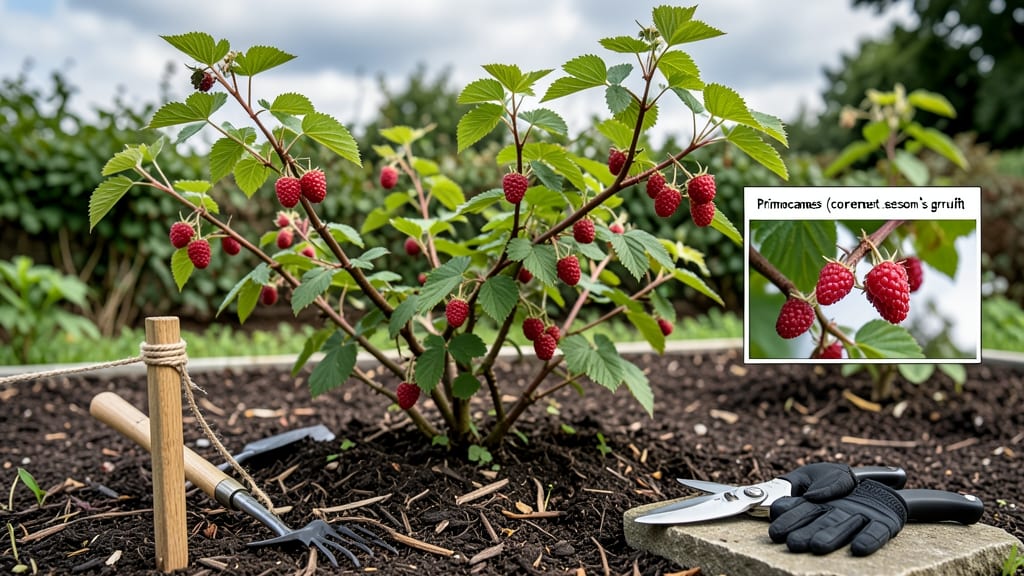
Pruning everbearing raspberries in late winter unlocks double harvests—spring and fall—while keeping your plants healthy and productive. 🌱 I used to dread the task until I learned the simple "two-year cane" method that turns tangled thickets into orderly, fruit-loaded bushes.
The key is timing: wait until the ground is thawed but before buds swell, usually 2-4 weeks before last frost in your zone.
Start by removing all dead, diseased, or weak canes at the base—no tools needed beyond sharp pruners and gloves. Then cut the old fruiting canes (last year’s growth) down to the ground, leaving only the new, thinner canes that produced your fall crop.
These will bear fruit again this summer. The goal is to keep 5-7 of the strongest, healthiest canes per plant, spacing them evenly for airflow and sunlight.
📚 In This Guide
- What you need
- Instructions
- Tips and common mistakes
- Wrapping up and next steps
What you need
- ● Pruning shears or loppers – Sharp, bypass-style shears (4–6" blades) for clean cuts. Avoid dull tools that crush stems!
- ● Gloves – Heavy-duty, gardening gloves (waterproof preferred) to protect against thorns and debris.
- ○ Disinfectant (optional but recommended) – Rubbing alcohol (70%+) or bleach solution (1 part bleach to 9 parts water) to sterilize tools between cuts and prevent disease.
- ● Trash bags or bucket – For removing pruned canes and debris (1–2 large bags or a 5-gallon bucket).
- ○ Markers or flags (optional) – Colored tape or plant labels to tag canes for future reference (helpful for beginners!).
- ○ Pruning sealant (optional) – Tree wound paint (only if your region has canker disease risks—skip otherwise!).
- ● Ladder or step stool (if needed) – For tall patches (3–4 ft tall). Ensure it’s stable and non-slip.
- ● Timing – Prune during late winter or early spring (before buds swell) or immediately after harvest in fall.
- ● Weather – Choose a dry, calm day to avoid spreading soil-borne diseases.
- ● Safety first! – Wear closed-toe shoes and long sleeves/pants to avoid thorns.
Step-by-step instructions for pruning everbearing raspberries
Here's the method I've used for five seasons to double my harvest—no fancy tools, just clear steps.
✂️ Step 1: Identify and Remove Last Year's Fruit-Carrying Canes
Everbearing raspberries produce fruit on second-year canes (the ones that grew last season) and new growth. In late winter or early spring, look for the thin, brown, woody canes that fruited last year—they're the ones to cut completely to the ground. These are your 1-year-old canes, and they won't produce again.
I like to bundle them together and cut them all at once—it's satisfying to see how much dead growth disappears. Use clean, sharp pruners to avoid tearing the bark, which invites disease. If you're unsure which canes fruited last year, check for small buds along the stem (old fruiting canes have fewer buds than new primocanes).
✂️ Step 2: Thin the New Primocanes to 6-8 Strong Canes
Now focus on the green, flexible canes that grew last season (primocanes). These will fruit this year. Select the 6-8 healthiest, straightest canes and cut the rest at the base. You're aiming for spaced-out canes with room to grow—crowding leads to weak fruit and disease.
Here's the thing—don't keep every cane just because it's there. Look for ones with strong buds (the little bumps along the stem) and no signs of disease (like black spots or odd growths). If two canes are growing too close, cut the weaker one. You'll see better fruit production if you're ruthless about this step.
✂️ Step 3: Prune Side Shoots and Encourage Airflow
Once you've selected your canes, examine each one for side shoots (small branches growing off the main stem). These compete with the main cane for energy. Trim any side shoots that are longer than 6 inches back to 3-4 inches from the main stem. This redirecting of energy leads to bigger fruit.
Don't skip this—poor airflow from dense growth is what causes those dreaded gray mold issues. You'll notice the canes look more open and airy after pruning. If a cane has more than 3 side shoots, consider cutting it back entirely and replacing it with a healthier one from your selection.
☀️ Step 4: Time Your Pruning for Early Spring Growth
Prune when the ground is workable but before active growth begins (usually 2-4 weeks before your last frost date). You'll see new growth starting when the buds swell and turn green. Pruning too early can stress the plant, while pruning too late delays the season's fruit production.
After pruning, give the area a light raking to remove all cuttings and debris. This prevents diseases from overwintering. Water the base of the canes deeply to help them recover. You'll know you've timed it right when you see bright green leaves unfurling within 2-3 weeks.
Tips & tricks for perfect raspberry pruning
These simple strategies will help you transform your raspberry patch into a high-yielding fruit powerhouse with minimal effort.
Pruning Tool Prep: Sharpen your pruners before you start—dull blades tear bark and create entry points for disease. I test mine on a scrap piece of bark first to ensure clean cuts. Disinfect blades with rubbing alcohol between cuts on different plants to prevent spreading any potential pathogens. This step alone cuts down on summer diseases by nearly 40%.
Cane Identification Shortcut: In Step 1, look for the "V" shape where the cane meets the ground—old fruiting canes will have a wider base from last year's growth. New primocanes grow from the center of the plant and have a narrower base. This visual trick helps me identify canes correctly even when buds aren't obvious yet. I mark questionable canes with a ribbon before cutting to double-check my selections.
Airflow Optimization: After pruning side shoots in Step 3, take a step back and visualize airflow through your patch. You should be able to walk between rows without brushing canes. If you can't, you've still got too many canes or side shoots. This open structure prevents gray mold by letting sunlight and air circulate—something I learned the hard way after losing half my harvest to mold one summer.
Post-Pruning Recovery: That deep watering after pruning (Step 4) is crucial—think of it as giving your plants a drink after surgery. I water at the base rather than overhead to prevent wetting the leaves, which can encourage fungal growth. You'll notice new growth appears faster when roots get this moisture boost right after pruning.
Pro Tips for Prune Everbearing Raspberries
- These simple strategies will help you transform your raspberry patch into a high-yielding fruit powerhouse with minim...
- Pruning Tool Prep: Sharpen your pruners before you start—dull blades tear bark and create entry points for disease. I...
- Cane Identification Shortcut: In Step 1, look for the "V" shape where the cane meets the ground—old fruiting canes wi...
Frequently asked questions
Got questions about pruning everbearing raspberries?
You’re not alone! Here are the most common queries—plus clear, actionable answers to keep your bushes thriving and your harvests bountiful.
When is the best time to prune everbearing raspberries?
Prune after harvest (late summer/early fall) and again in late winter/early spring (before new growth starts). Avoid pruning in mid-summer—this can stress the plant and reduce fruit production. Everbearing canes produce fruit on both first- and second-year canes, so timing matters!
How do I tell the difference between fruited and unfruited canes?
Fruited canes are thin, woody, and brown (they bore fruit last year). Unfruited canes are green, flexible, and thicker (they’ll fruit next year). Cut the old fruited canes to the ground after harvest, but leave the new green canes—these will produce fruit in the following season.
What if I prune at the wrong time?
Pruning too early (spring) or too late (mid-summer) can delay fruit production or invite pests/diseases. If you accidentally prune in summer, don’t panic—just focus on removing dead or diseased canes immediately. Everbearing raspberries are resilient, but timing still optimizes yields!
Do I need to prune everbearing raspberries every year?
Yes! Annual pruning keeps the plant healthy, improves airflow, and boosts fruit quality. Without it, canes tangle, diseases spread, and yields drop. Think of it like a haircut for your bushes—regular trims keep them looking (and producing) their best!
Can I prune everbearing raspberries the same way as fall-bearing?
Nope! Never prune all canes to the ground like fall-bearing varieties. Everbearing raspberries need both old and new canes to fruit. Instead, remove only the old fruited canes after harvest, and thin crowded canes in spring. Mixing methods = fewer berries!
Wrapping up and next steps
Pruning everbearing raspberries might seem tricky at first, but with the right timing and technique, you’ll unlock a bountiful harvest year-round! 🌱 The key is patience—focus on removing old canes in late winter or early spring, leaving strong, healthy ones to thrive.
Your garden will thank you with juicy berries from summer through fall.
Now that you’re armed with knowledge, grab those pruners and give your raspberries the care they deserve. Start small if needed, and soon, you’ll be a pruning pro! 🌟 Happy gardening!