
Pruning
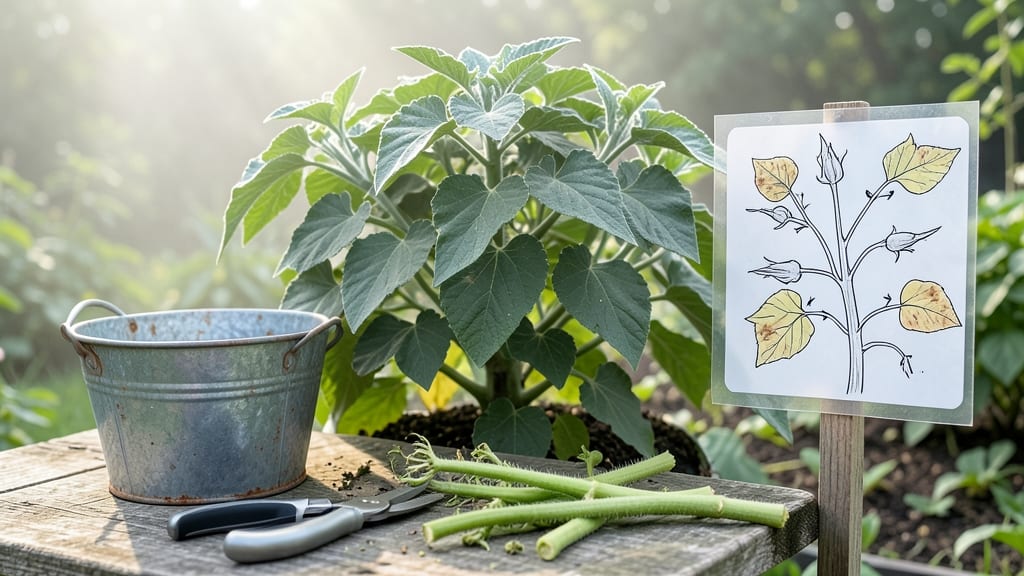
Pruning eggplant plants isn’t just about shaping them—it’s about doubling your harvest by directing energy where it matters most. 🌱 I learned this the hard way after my first season, when overgrown plants produced tiny, bitter fruits.
The right cuts at the right time transform a scraggly bush into a productive powerhouse, and I’ll show you exactly how.
Timing is everything: start when plants are 6-12 inches tall, then prune again during flowering to remove spent blooms and suckers (those little shoots between stems). You’ll need sharp pruners and a clear goal—health over aesthetics.
The key is balance: too much pruning stunts growth, but strategic cuts boost airflow and fruit size.
By midseason, you’ll notice thicker stems and larger, sweeter eggplants hanging from the plant. Pruning also keeps pests at bay and extends the harvest window. The best part? These tricks work for both backyard gardens and larger plots—just scale the tools.
Fair warning: over-pruning is the fastest way to kill your yield. But once you master the rhythm, you’ll wonder how you ever grew them any other way. Let’s get those shears ready!
📚 In This Guide
- What you need
- Instructions
- Tips and common mistakes
- Wrapping up and next steps
What you need
- ● Sharp bypass pruners – Choose a pair with a 4- to 6-inch blade for clean cuts without crushing stems.
- ● Disinfectant (70% isopropyl alcohol or bleach solution) – 1 part bleach to 9 parts water to sterilize tools between cuts and prevent disease.
- ○ Gloves (optional but recommended) – Nitrile or garden gloves to protect hands from thorns and sap.
- ● Garden twine or plant ties – For supporting pruned branches if needed (about 10-15 feet per plant).
- ● Small trash bag or bucket – For collecting pruned debris (avoid composting diseased material).
- ● Watering can or hose – To hydrate plants before and after pruning (1-2 gallons per plant).
- ● Hand pruners (smaller, for fine trimming) – Great for delicate stems (3-4 inch blades).
- ● Pruning saw (for thick stems) – Only needed if your eggplants have unusually woody growth.
- ○ Plant growth regulator (optional) – Follow label instructions to encourage bushier growth post-pruning.
- ● Labeling tags – If you’re experimenting with different pruning techniques on multiple plants.
Step-by-Step guide to pruning eggplant plants for maximum yield
Pruning eggplants might seem tricky, but it’s the secret to healthier plants and bigger harvests all season long.
✂️ Step 1: Identify and Remove Suckers for Stronger Growth
Start by locating the suckers—those small shoots that grow in the crotch between the main stem and a branch. These compete with your fruit for energy. Using clean, sharp pruning shears, snip them off at the base. I always work in the morning when the plants are hydrated, making cuts easier and reducing stress.
Watch for suckers appearing in the axils (the leaf junctions) about 2-3 inches below the flower clusters. These are the first to remove—they’ll sap energy from fruit production. Leave the suckers near the top if you’re growing bush varieties, but for indeterminate types, keep pruning upward to encourage vertical growth.
✂️ Step 2: Thin Fruit Clusters to Prevent Overburdening
Eggplants produce fruit in clusters, and too many can weigh down branches or stunt future growth. Once a fruit reaches 3-4 inches in length, leave only the largest, healthiest one per cluster. Remove the smaller ones at the stem base with a gentle twist—no need for shears here. This ensures the remaining fruit gets full nutrients and sunlight.
Real talk: I’ve seen gardeners leave every fruit, and the plants struggle by mid-season. The goal is balance—you want enough fruit for a harvest but not so much that the plant collapses. Check clusters every 7-10 days during peak production months (June–August) to stay on top of thinning.
☀️ Step 3: Prune Lower Leaves to Improve Airflow and Sunlight
As the plant matures, focus on the lower leaves. Remove any that touch the soil or block sunlight from reaching the middle of the plant. Use your fingers to gently pinch off smaller leaves or your shears for larger ones. Start about 1 foot from the base and work upward, leaving only the healthy, sun-exposed foliage.
This step is crucial for preventing disease. Wet leaves trap moisture, inviting fungal issues like powdery mildew. You’ll notice a difference within days—the plant will look more open, and new growth will be brighter green. Just don’t go overboard; leave enough leaves to keep the plant photosynthesizing efficiently.
⏰ Step 4: Prune Flowers for Early Season and Late Season Adjustments
In the early season, remove the first few flowers that appear. This might seem counterintuitive, but it forces the plant to focus on leaf and stem growth first. Once the plant is established (after 4-6 weeks of growth), let the flowers stay. In late summer, if the plant is slowing down, prune off any remaining flowers to redirect energy into next year’s growth.
Here’s the thing—eggplants are finicky about when they fruit. If you prune flowers too late in the season, the plant may not have time to recover. Watch for new growth after pruning; if you see fresh leaves emerging within 7-10 days, you’re on the right track. If not, hold off on further pruning until the plant shows signs of vigor.
🌿 Step 5: Clean Up and Maintain Through the Season
After each pruning session, clean your shears with rubbing alcohol to prevent the spread of disease. Remove all pruned material from the garden bed—don’t compost it if it shows signs of disease or pests. Throughout the season, do a quick check every 2-3 weeks for new suckers, overcrowded fruit, or yellowing leaves.
This ongoing maintenance keeps your eggplants productive and healthy. I promise, the extra effort pays off with larger, healthier fruit and fewer pest issues. By the time harvest rolls around, you’ll have a plant that’s thriving, not just surviving.
Tips & tricks for pruning eggplant plants
Confession: I skipped pruning my first eggplant season and ended up with tiny, bitter fruit. Here's what I learned to turn things around.
Timing is Everything: The 7-10 day check interval during peak production (June-August) is non-negotiable. I set a reminder on my phone because I always forget! Morning is best for pruning—plants are hydrated, cuts heal faster, and you avoid the afternoon heat stress. If you must prune later, do it in the early evening instead of midday.
Visual Cues for Healthy Pruning: In Step 2, when thinning fruit clusters, look for these signs: the largest fruit should be at least 3-4 inches long and have a firm, glossy skin. Smaller fruits will often have a duller appearance or slight deformities. For suckers in Step 1, they'll appear as tiny shoots growing out from the leaf junctions—about the size of a pencil eraser when ready to remove.
Seasonal Adjustments: The 4-6 week mark for early season flower removal is crucial for bush varieties. For indeterminate types, I actually prune the first flowers for the first 3 weeks to build stronger stems before letting them fruit. In late summer, if your plants look tired after 7-10 days without new growth, it's time to stop pruning flowers entirely and let the plant focus on recovery.
Tool Maintenance: That rubbing alcohol clean after each session in Step 5 isn't just about disease prevention—it keeps your shears sharp. Dull blades crush stems instead of making clean cuts, which invites infections. I keep a small bottle of 70% isopropyl alcohol in my gardening bucket and wipe blades after every 3-4 cuts during heavy pruning sessions.
Pro Tips for Prune Eggplant Plants
- Confession: I skipped pruning my first eggplant season and ended up with tiny, bitter fruit.
- Timing is Everything: The 7-10 day check interval during peak production (June-August) is non-negotiable.
- Visual Cues for Healthy Pruning: In Step 2, when thinning fruit clusters, look for these signs: the largest fruit should be at least 3-4 inches long and have a firm, glossy skin.
Frequently asked questions
Got questions about pruning eggplant? You’re not alone! Here are some of the most common concerns—and straightforward answers—to help you prune like a pro and keep your plants thriving.
When is the best time to prune eggplant plants?
Prune your eggplant plants early and often—start when they’re young (about 6–8 inches tall) and continue throughout the growing season. Focus on removing suckers (small shoots between the main stem and branches) in the morning when the plants are dry to reduce disease risk. Avoid heavy pruning late in the season, as it can stress the plant before harvest.
Do I need to prune eggplant plants at all?
While eggplants can grow without pruning, trimming encourages stronger stems, better air circulation, and larger fruit. Pruning also redirects energy toward fruit production instead of excessive foliage. If you’re short on time, prioritize removing diseased or yellowing leaves and any suckers growing near the base of the plant.
Will pruning eggplant plants increase my yield?
Yes! Pruning helps focus the plant’s energy on producing fewer but larger, healthier fruits. By removing suckers and lower leaves, you improve airflow, reducing the risk of fungal diseases like powdery mildew. Just avoid over-pruning—leave enough leaves to photosynthesize and support the plant’s growth.
What should I do if my eggplant plant looks stressed after pruning?
If your plant wilts or drops leaves after pruning, it’s likely due to shock from sudden changes. Water deeply and keep the soil consistently moist (but not soggy). Avoid pruning more than 20–30% of the foliage at once, and prune on a mild, sunny day. Most plants recover within a few days.
Can I prune eggplant plants in containers or small spaces?
Container-grown eggplants benefit even more from pruning since space is limited. Focus on removing suckers and lower leaves to improve airflow and prevent overcrowding. Use dwarf or compact varieties (like ‘Fairy Tale’ or ‘Patio Baby’) for smaller spaces, and prune regularly to keep the plant manageable.
Wrapping up and next steps
Pruning your eggplant plants is a simple yet powerful way to boost productivity, improve air circulation, and keep your garden thriving! 🌱 By following these steps—whether you're shaping young plants or maintaining mature ones—you’ll enjoy healthier growth, more fruit, and fewer pests. Now that you’re armed with the know-how, it’s time to roll up your sleeves and give your eggplants the care they deserve.
Ready to see the difference? Pick a sunny day, grab your pruners, and start pruning—your future harvest will thank you! 🍆 For even more gardening tips, check out our guide on seasonal eggplant care next.