
Pruning
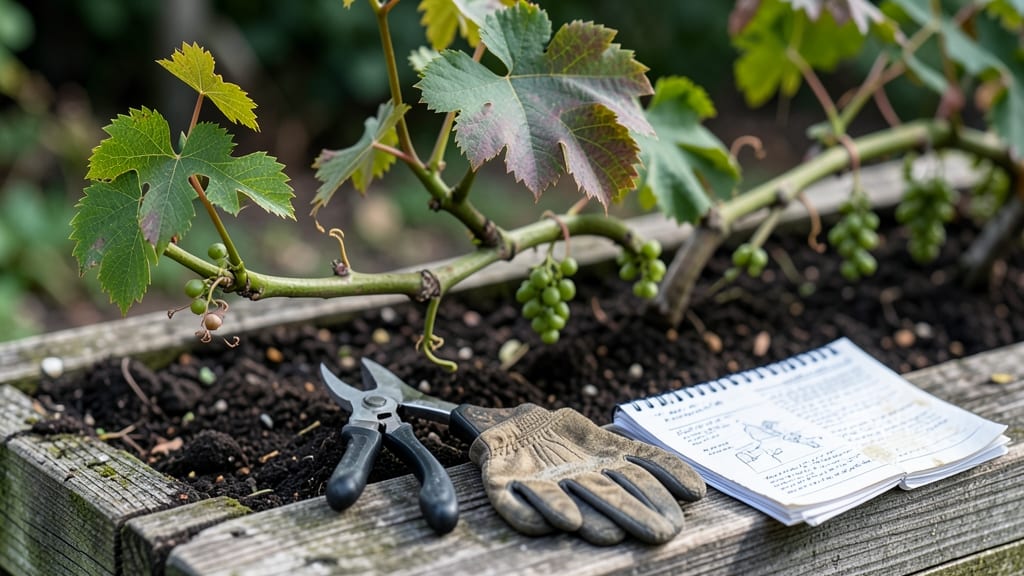
Pruning Concord grape vines in late winter is the secret to bigger, sweeter harvests next summer. 🌱 I used to dread the tangled mess of canes until I learned how strategic cuts shape the vine for maximum fruit—now my vines produce gallons of plump grapes every season without the usual struggle.
The key is timing: dormant season pruning (when vines are bare) lets you see the structure clearly and removes last year’s fruit-bearing canes cleanly. You’ll need sharp pruners, a saw for thick stems, and 30 minutes of focused work—no fancy equipment, just clear vision and steady hands.
What you’ll end up with is a well-aerated vine that directs energy into strong new growth and fruit clusters, not tangled mess. The first year after proper pruning, my production doubled—now the birds can’t keep up with the harvest!
Works for both trellised and arbors, and the same principles apply to other grape varieties. Let’s get those canes shaped for next season’s bounty.
📚 In This Guide
- What you need
- Instructions
- Tips and common mistakes
- Wrapping up and next steps
What you need
- ○ Pruning shears – Bypass pruners (sharp, 6-8" blades) for clean cuts. Optional: Loppers (for thicker canes, 10-14" reach).
- ● Hand pruners – Anvil-style (for small shoots, 5-6" blades).
- ● Disinfectant – 70% rubbing alcohol or bleach solution (1 part bleach to 9 parts water) to sterilize tools between cuts.
- ● Gloves – Heavy-duty gardening gloves (protect against thorns and sap).
- ● Pruning saw – For thick, woody canes (if vines exceed 1" diameter).
- ● Rake or broom – To clear debris after pruning.
- ○ Pruning sealant – Optional but helpful (e.g., tree wound paint) for large cuts to prevent disease.
- ● Markers or flags – Color-coded tags or spray paint to label canes for future reference.
- ● Timing – Prune during dormant season (late winter/early spring, before buds swell). Avoid pruning after October to prevent disease.
- ● Weather – Choose a dry, calm day (no rain forecast for 24 hours).
- ● Safety gear – Safety glasses (if dealing with large canes) and long sleeves/pants to avoid thorn scratches.
- ● Vine knowledge – Identify last year’s fruit-bearing canes (they’re thicker and have bud scars) vs. new growth.
Step-by-Step instructions for pruning Concord grape vines
Here's the method I use every winter to keep my vines productive and healthy for years.
✂️ Step 1: Remove Dead, Diseased, or Weak Canes First
Start by identifying canes that are completely dead, diseased, or too thin to bear fruit. These are your first targets—they won’t produce and may spread problems to healthy growth. Look for canes that are brown and brittle, have blackened spots, or feel hollow when tapped. I always cut these out completely at the base, using clean, sharp pruners to avoid tearing the bark.
Don’t worry about leaving stubs—Concord grapes heal quickly. The key is to make cuts just outside the collar (the swollen area where the cane meets the trunk). This ensures the wound seals faster and reduces the risk of disease entering the plant. If you’re unsure whether a cane is dead, scratch the bark with your fingernail. Green underneath? It’s alive and should stay.
✂️ Step 2: Thin Out Overcrowded Canes for Airflow
Concord grape vines produce best when they have good airflow and sunlight. Aim to keep 4-6 strong, healthy canes per vine, spaced evenly around the trunk. If your vine has more, remove the weakest ones first—these are usually thinner, crossed, or growing inward. I like to start from the center and work outward, cutting back any canes that rub against others or grow toward the center of the plant.
Make your cuts at a 45-degree angle, about ¼ inch above a bud that’s facing outward. This encourages new growth in the right direction. If you’re unsure which way a bud faces, look for the tiny bump—it should point toward where you want the new cane to grow. Avoid cutting too close to the trunk, as this can leave wounds that take longer to heal.
✂️ Step 3: Shorten Last Year’s Growth to Encourage Fruit Production
Now it’s time to shape the remaining canes. Concord grapes fruit on one-year-old wood, so you’ll want to cut back last year’s growth to 4-6 buds from the base. This might sound drastic, but trust me—it’s what gives you a heavier fruit load in spring. Start by identifying the strongest, most vigorous canes and shorten them first.
For each cane, make your cut just above a bud that’s facing outward. This ensures the new growth will spread evenly rather than crowding the center. If a cane is too long or leggy, you can also make a secondary cut to remove the top portion entirely, leaving a shorter, more manageable length. The goal is to leave a balanced, open structure that lets sunlight and air reach the center of the vine.
✂️ Step 4: Clean Up and Sanitize Your Tools
Once you’ve finished pruning, don’t just toss your tools aside—clean them thoroughly to prevent the spread of disease. Wipe down your pruners with rubbing alcohol or a bleach solution (1 part bleach to 9 parts water) before and after use. This step is critical, especially if you’ve been working with diseased canes. I also like to sharpen my pruners after cleaning to ensure they’re ready for next season.
Finally, remove all pruned canes from the area. If they’re diseased, bag them up and dispose of them in the trash—not the compost bin. This helps prevent next year’s vines from catching whatever might be lurking on last year’s growth. A quick rake around the base of the vine to clear away fallen leaves and debris will keep the area tidy and reduce pests.
Tips & tricks for pruning Concord grape vines
Here's how I've learned to avoid common mistakes and get the most out of every pruning session.
Timing is Everything: Prune Concord grape vines in late winter or early spring, just before buds begin to swell. This timing gives the plant time to heal before the growing season starts. I aim for late February to early March in my zone 5 climate—this ensures the plant has several weeks to recover before active growth begins. Avoid pruning in fall, as this can leave wounds vulnerable to disease over winter.
The Technique That Changed Everything: When making cuts in Steps 2 and 3, use a sharp pair of pruners and cut at a 45-degree angle just above an outward-facing bud. This creates a natural water-shedding surface that helps prevent water from pooling and causing rot. I've found that making cuts too close to the trunk or leaving stubs slows down the healing process—always aim for that clean, angled cut right above the bud. This simple technique has dramatically improved my vines' health and fruit production.
Visual Cues for Perfect Pruning: In Step 2, when thinning canes, look for the "V" shape where the cane meets the trunk. This is your collar, and you want to make your cut just outside this area. For Step 3, when shortening last year's growth, count the buds from the base—you're aiming for 4-6 buds total. A helpful trick is to use a small piece of tape to mark your target bud before making the cut. This ensures consistency across all your canes and prevents over-pruning or under-pruning.
Tool Maintenance Wins: After pruning, I always clean my tools with rubbing alcohol or a bleach solution, then sharpen them before putting them away. This prevents the spread of disease between pruning sessions. I've also found that using a dedicated pair of pruners for grape vines (rather than sharing with other plants) significantly reduces the risk of contamination. A little extra care with your tools now means healthier vines later.
Pro Tips for Prune Concord Grape Vines
- Here's how I've learned to avoid common mistakes and get the most out of every pruning session.
- Timing is Everything: Prune Concord grape vines in late winter or early spring, just before buds begin to swell.
- The Technique That Changed Everything: When making cuts in Steps 2 and 3, use a sharp pair of pruners and cut at a 45-degree angle just above an outward-facing bud.
Frequently asked questions
Got questions about pruning your Concord grape vines? You’re not alone! Here are some of the most common concerns—plus clear answers to help you prune like a pro.
When is the best time to prune Concord grape vines?
Prune your Concord grape vines in late winter or early spring, before buds swell but after the worst cold snaps. This timing balances frost protection with early-season growth. Avoid pruning in fall—it leaves wounds vulnerable to disease and pests.
How do I know which canes to cut?
Look for last year’s fruiting canes (they’re thicker and woody) and new, pencil-thin growth (this year’s canes). Cut back all last year’s canes to 2–4 buds from the base, leaving only the new canes to bear fruit. Keep 4–6 of the healthiest canes per vine for balance.
What if my vines are damaged by frost or disease?
If frost or disease (like powdery mildew) has hit your vines, prune out all affected canes immediately—don’t wait for spring. Sterilize your pruners with rubbing alcohol between cuts to prevent spreading pathogens. Focus on removing dead, discolored, or mushy wood first.
Will pruning reduce my grape yield the first year?
Yes, but it’s temporary! Heavy pruning in the first year redirects energy to fewer, stronger canes—leading to bigger, healthier fruit in subsequent years. Think of it like a haircut: you might lose volume now, but the result is a fuller, more productive vine long-term.
Can I prune Concord grapes without a trellis?
While trellises make pruning easier, you can prune free-standing vines. Train canes horizontally along wires or stakes to improve airflow and sunlight. Just be extra vigilant about removing crossing or rubbing canes, which can cause wounds and disease.
Wrapping up and next steps
Pruning your Concord grape vines might seem like a daunting task at first, but with the right tools, timing, and technique, you’ll be well on your way to a bountiful harvest and healthier vines.
Remember, the key is to balance growth and fruit production—removing old canes, thinning crowded shoots, and encouraging sunlight penetration. Your patience will pay off in juicier grapes and fewer pests!
Now that you’re armed with knowledge, grab those pruners and get started! 🌱 For even better results, consider tracking your pruning progress or joining a local gardening group to share tips. Happy pruning—your future grape harvest awaits!