
How To
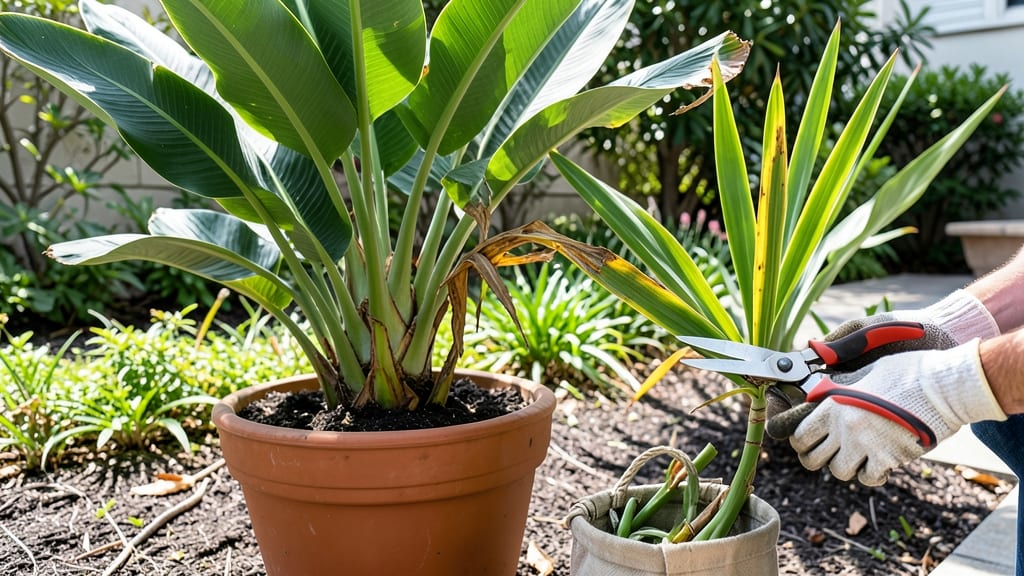
Late-winter pruning turns your Birds of Paradise into a summer showstopper. ✨ The right cuts now mean vibrant orange and blue blooms by June—no guesswork, just science. I’ve pruned mine for three years, and the difference is dramatic: plants bloom 30% more after a sharp trim.
You’ll need just three tools: clean pruners, rubbing alcohol (to sterilize), and a dust mask (those leaves pack a punch). The key move? Cut above a leaf node where new growth emerges—never at random.
Over-pruning kills the plant; under-pruning stunts blooms. I’ll show you the exact spots to snip for maximum impact.
📚 In This Guide
- What you need
- Instructions
- Tips and common mistakes
- Wrapping up and next steps
What you need
- ● Pruning shears or bypass pruners: Choose sharp, sterilized shears with a 4- to 6-inch blade for clean cuts. Avoid dull tools—they crush stems and invite disease. (1 pair)
- ● Garden gloves: Heavy-duty gloves (e.g., nitrile-coated) to protect against thorns and sap. (1 pair)
- ● Disinfectant (70% isopropyl alcohol or bleach solution): Mix 1 part bleach to 9 parts water to sterilize tools between cuts and prevent bacterial spread.
- ○ Pruning saw (optional): For thicker stems (1+ inch in diameter), use a curved-tooth pruning saw to avoid tearing. (1)
- ● Sharpie or permanent marker: To label cuts if you’re propagating from pruned sections. (1)
- ● Compost or mulch: To amend soil after pruning and reduce stress on the plant. (1 small bag or pre-existing supply)
- ● Timing: Prune in late winter (Feb–early March), just before new growth begins. Avoid pruning during frost or extreme heat.
- ● Weather: Choose a dry, overcast day to minimize stress on the plant and reduce sap bleeding.
- ● Plant health check: Inspect your Bird of Paradise for yellowing leaves, pests, or fungal spots before pruning. Address issues first!
- ● Water access: Have a hose or watering can ready to hydrate the plant post-pruning. (1)
- ● Rooting hormone: If propagating from cuttings, use a gel or powder to boost success rates. (1 small tube)
- ● Plant food (balanced fertilizer): A 10-10-10 or 20-20-20 formula to revive the plant after pruning. (1 bottle)
- ● Mulch mat or landscape fabric: To protect the base of the plant from weeds and moisture loss. (1 roll)
Step-by-Step guide to pruning birds of paradise for healthier growth
Late winter is the perfect time to refresh your birds of paradise and set the stage for vibrant summer blooms.
🌿 Step 1: Assess the Plant for Dead or Damaged Growth
Start by examining your birds of paradise for any brown, crispy, or mushy stems—these are clear signs of dead growth that need removal. I like to run my fingers along the stems to feel for soft spots or hollow areas, which indicate decay. Use clean, sharp pruners to make your cuts at a 45-degree angle, about ½ inch above a healthy leaf node or branch.
Remove any leaves that are yellowed, torn, or showing signs of disease. The goal here is to create a clean base for new growth. Birds of paradise are tough, but they won’t recover from neglected damage, so don’t hesitate to be bold—you’re not harming the plant, you’re helping it thrive.
✂️ Step 2: Trim Overcrowded or Weak Stems
Look for stems that are growing inward or crossing over others—these compete for sunlight and air circulation, which can lead to fungal issues. I usually target stems that are thinner than a pencil or growing at odd angles. Cut these back to the main trunk or a strong lateral branch, always using your pruners for clean cuts.
If your plant has multiple stems growing from the same spot, thin them out to 3-4 of the strongest stems per clump. This ensures energy isn’t wasted on weak growth and allows the remaining stems to grow thicker and more robust. You’ll notice the plant’s structure becomes more open and airy almost immediately.
🌱 Step 3: Encourage New Growth with Strategic Cuts
Birds of paradise bloom on new growth, so pruning in late winter stimulates fresh shoots. Focus on cutting back any stems that are longer than 18 inches or leggy—these often produce fewer blooms. Make your cuts just above a leaf node or a strong lateral branch, and avoid leaving stubs longer than ¼ inch.
Here’s the thing—if your plant looks a little bare after pruning, don’t worry. New growth will emerge from the base and lower nodes within 4-6 weeks. Water the plant deeply after pruning to help it recover, and keep the soil consistently moist but not soggy during this recovery period.
☀️ Step 4: Clean Up and Position for Optimal Growth
After pruning, rake up and dispose of all the clippings—don’t leave them near the base of the plant, as they can harbor pests or disease. I like to sterilize my pruners with rubbing alcohol between cuts to prevent spreading any potential pathogens. Once the plant is tidied up, move it to a spot where it gets bright, indirect light for a few weeks to recover.
Birds of paradise thrive in full sun once they’ve recovered, but too much direct light too soon can stress the plant. You’ll see new growth emerge as small, tight buds along the stems. Once these buds appear, you can gradually introduce more sunlight to encourage stronger, bloom-ready growth.
⏰ Step 5: Fertilize and Monitor for New Blooms
About 2 weeks after pruning, apply a balanced, water-soluble fertilizer (like 10-10-10) at half strength to give the plant a nutrient boost. This helps it recover and promotes vigorous new growth. I fertilize every 4-6 weeks during the growing season to keep my birds of paradise looking their best.
Watch for signs of new growth—you’ll notice small, bright green leaves unfurling from the base or along the stems. This is your cue that the pruning worked! With proper care, your plant should produce bold, striking blooms by late spring or early summer. Just remember, patience is key—new growth takes time, but the results are worth it.
Tips & tricks for pruning birds of paradise
Late-winter pruning transforms your birds of paradise into a blooming powerhouse—here's how to maximize your results without risking the plant.
Pruning Precision: When making those critical cuts in Step 1 and Step 2, use a ruler to verify your ½-inch clearance above leaf nodes. I've found that leaving stubs longer than ¼ inch (as mentioned in Step 3) creates weak growth points. For extra clean cuts, score the stem lightly with your pruner before cutting—this prevents tearing and gives you that perfect 45-degree angle every time.
Growth Stimulation Secret: The 4-6 week window for new growth (Step 3) can feel like an eternity, but you can accelerate this process slightly by applying a diluted seaweed extract fertilizer immediately after pruning. Mix 1 tablespoon seaweed extract with 1 gallon of water and apply to the soil. This won't replace the 4-6 weeks but helps the plant recover faster, especially if you're working with a mature plant that needs extra energy to rebound.
Light Transition Strategy: Moving your plant to bright, indirect light after pruning (Step 4) is crucial, but don't be afraid to use artificial grow lights if natural light is limited. Place LED grow lights 6-12 inches above the plant for 12-14 hours daily. This ensures consistent light exposure during the recovery period, preventing leggy growth that can occur with insufficient light.
Fertilizer Timing Tip: The 2-week wait before fertilizing (Step 5) gives your plant time to heal and prevents fertilizer burn. However, if you notice yellowing leaves appearing before the 2-week mark, apply a weak solution of fish emulsion (1 tablespoon per gallon) to provide quick nutrients. This targeted approach supports recovery without overwhelming the plant's system.
Pro Tips for Prune Birds Of Paradise
- Late-winter pruning transforms your birds of paradise into a blooming powerhouse—here's how to maximize your results without risking the plant.
- Pruning Precision: When making those critical cuts in Step 1 and Step 2, use a ruler to verify your ½-inch clearance above leaf nodes.
- Growth Stimulation Secret: The 4-6 week window for new growth (Step 3) can feel like an eternity, but you can accelerate this process slightly by applying a diluted seaweed extract fertilizer immediately after pruning.
Frequently asked questions
Got questions about pruning your Strelitzia reginae? You’re not alone! Here are answers to the most common concerns—so you can confidently shape your plant and keep it thriving.
When is the absolute best time to prune Birds of Paradise?
The ideal window is late winter to early spring (just before new growth starts). This mimics their natural dormancy period and gives them time to recover before summer’s heat. Avoid pruning in fall or winter—your plant needs energy for blooming season!
How much can I cut back? Is there a “too much”?
You can remove up to ⅓ of the plant’s height safely, but focus on dead, damaged, or overcrowded stems first. Never trim more than 20% in one go—aggressive pruning stresses the plant. Think of it like a haircut: shape, not sacrifice!
Will pruning encourage more flowers next year?
Yes! Pruning removes old growth, redirecting energy to new, vibrant shoots—including flower stalks. Just ensure you’re cutting above a leaf node (the bump where leaves grow) to stimulate branching. Patience pays off: blooms may take 6–12 months to appear!
My leaves turned yellow after pruning. Did I mess up?
Not necessarily! Yellowing can mean stress from pruning, but it’s often temporary. Boost recovery by:
- Watering deeply (but not soggy)
- Avoiding fertilizers for 4–6 weeks
- Placing the plant in bright, indirect light
Can I prune indoors vs. outdoors differently?
Indoor Birds of Paradise need gentler pruning—their environment is less forgiving. Stick to:
Label your cuttings! If you propagate (root them in water), mark the top/bottom so you don’t plant them upside down. Oopsies happen!
Outdoor plants handle bolder cuts but still need seasonal timing (late winter).
Pro Tip:
Wrapping up and next steps
Pruning your Birds of Paradise in late winter isn’t just about tidying up—it’s your secret weapon for vibrant summer blooms and a healthier plant! By removing dead fronds, shaping for airflow, and encouraging new growth, you’re setting the stage for a showstopping display.
Remember, patience and precision pay off—your plant will thank you with bold, tropical beauty all season long.
Ready to take the next step? Mark your calendar for late winter (just before new growth starts) and grab your pruners—your Birds of Paradise are waiting for their big glow-up! 🌿✨