
Pruning
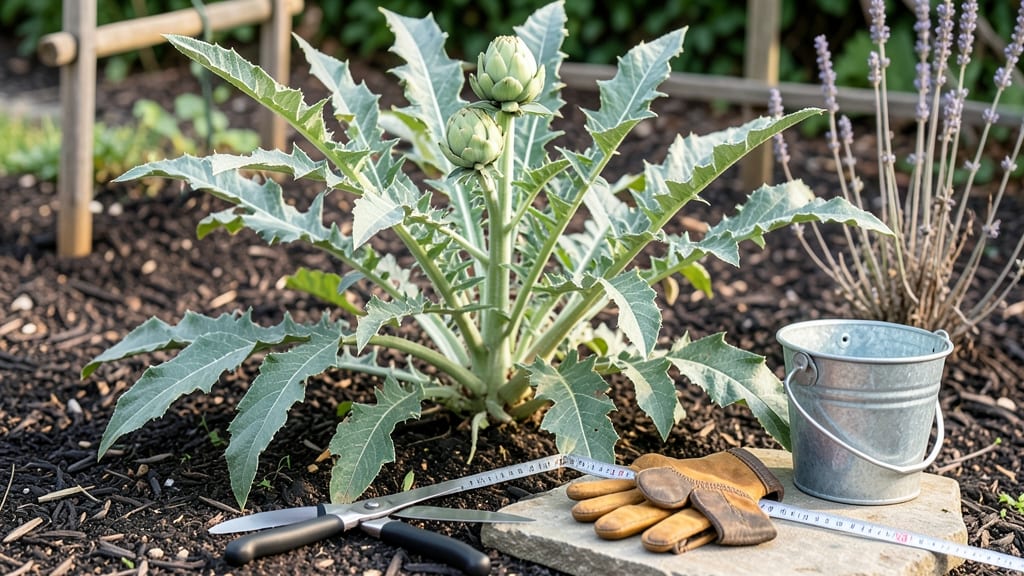
Pruning artichoke plants transforms scraggly bushes into goldmine harvest machines—I went from struggling with 3 plants to filling my kitchen with 20+ artichokes by mastering just three cuts. 🌱 The key?
Timing matters more than technique, and most gardeners either prune too late or too aggressively. I’ll show you the exact moments to trim for bigger buds and longer harvests.
You’ll need sharp pruners, a clean cutting surface, and about 15 minutes per plant. Start by removing any dead or yellowing leaves—they sap energy from your artichokes. Then focus on the side shoots: pinch off any that appear near the main stem until you see the first flower buds forming.
This redirects the plant’s energy into growing larger, more tender artichokes instead of bushy foliage.
After harvest, don’t stop pruning. Cut back any spent stalks to 4-6 inches above the base to encourage a second flush of growth. In colder climates, this keeps plants productive until frost, while warmer zones can push for a third harvest with proper care.
The result? A plant that keeps giving all season long, not just one big push followed by disappointment.
This method works for both globe and Roman artichokes, and it’s just as effective in containers as it is in the ground. The only real mistake is waiting too long—once buds form, you’ve missed your window for size control. Let’s get those plants trimmed right!
📚 In This Guide
- What you need
- Instructions
- Tips and common mistakes
- Wrapping up and next steps
What you need
- ● Clean, sharp pruning shears or secateurs – Choose bypass pruners (not anvil-type) to avoid crushing stems. Size: 5-7 inches for precision.
- ● Garden gloves – Opt for nitrile-coated or heavy-duty leather gloves to protect against thorns and rough stems.
- ● Disinfectant (70% isopropyl alcohol or bleach solution) – 1 part bleach to 9 parts water to sterilize tools between cuts and prevent disease spread.
- ● Garden twine or plant ties – 3-4 feet per plant to support stems if needed (especially for larger varieties like Romanesco).
- ● Compost or mulch – 2-3 inches of organic matter (e.g., straw, wood chips) to retain moisture and protect roots post-pruning.
- ● Watering can or hose with a gentle spray nozzle – Keep 1-2 gallons per plant handy for post-pruning hydration.
- ● Hand pruners with a long handle – For reaching taller artichoke varieties without straining.
- ● Garden kneeler or stool – To reduce back strain during low or prolonged pruning sessions.
- ● Plant marker labels – If you’re pruning multiple varieties, label them to track growth stages.
- ● Epsom salt (magnesium sulfate) – 1 tablespoon per gallon of water for a post-pruning foliar spray to boost plant health.
Step-by-step guide to pruning artichoke plants for maximum yield
Pruning artichokes isn’t just about shaping plants—it’s about directing their energy toward those prized buds. Here’s how I do it for consistent harvests, whether you’re growing globe or French varieties.
🌱 Step 1: Prune Early in Spring to Encourage New Growth
Start as soon as you see fresh 2-3 inch shoots emerging in early spring. Use clean, sharp pruning shears to cut back any dead or damaged stems to the base. This clears out winter debris and signals the plant to focus on new growth rather than repairing old damage.
I also remove any side shoots that appear below the first 6-8 inches of the main stem—these compete for energy and rarely produce quality buds. Watch for the plant’s central leader (the main upward-growing stem) and let it guide your cuts. You’ll see new side shoots form higher up, which will develop into your harvestable buds.
✂️ Step 2: Thin Side Shoots for Better Airflow and Bud Formation
Once the main stem reaches 12-18 inches, it’s time to thin. Leave only 3-4 of the strongest side shoots spaced 8-12 inches apart along the stem. Remove the rest by cutting just above a leaf node (the bump where leaves attach). This prevents overcrowding and ensures each remaining shoot gets enough sunlight and nutrients.
Here’s the thing—artichokes are heavy feeders, and too many shoots mean small, underdeveloped buds. You’ll notice the remaining shoots thicken and grow more vigorously within 2-3 weeks. If you see any shoots growing inward toward the plant’s center, prune them immediately—they’ll block airflow and invite disease.
☀️ Step 3: Harvest and Prune Mature Buds to Stimulate More Production
Artichokes are ready to harvest when the outer bracts (the tough, green scales) are tightly closed but still firm to the touch. Cut the stem 1-2 inches below the bud with your pruners, leaving a small portion attached to the plant. This encourages the plant to produce secondary buds from the same node.
After harvesting, inspect the plant for any yellowing or wilted leaves—these signal stress or disease. Trim them off immediately to prevent spread. I also pinch off any flower buds that form on the main stem; these divert energy away from the side shoots where your harvestable buds develop. You’ll see new side shoots emerge from the leaf axils within 10-14 days after harvesting.
⏰ Step 4: Late-Season Pruning to Prepare for Winter
As temperatures drop below 50°F and growth slows in late fall, it’s time for a final prune. Cut back all remaining side shoots to 4-6 inches above the ground, but leave the main stem intact. This reduces the plant’s energy demands over winter and prevents rot from lingering moisture.
Remove all dead leaves and stems completely—these harbor pests and diseases that could overwinter. I also mulch the base with 2-3 inches of straw to insulate the crown (the thick, woody base where the stems emerge). This protects the plant from freezing temperatures and keeps it healthy for next year’s harvest. You’ll know you’ve done it right if the crown looks clean and the surrounding soil stays dry and crumbly.
🌿 Step 5: Post-Harvest Maintenance for Next Year’s Growth
After the first frost blackens the foliage, cut the main stem back to 2 inches above the ground. This prevents the plant from putting energy into seed production, which weakens it for the following season. Leave the mulch in place over winter—it’ll break down and add organic matter to the soil.
In early spring, before new shoots emerge, spread a 1-inch layer of compost around the base of the plant. This replenishes nutrients lost during harvest. I also water deeply to encourage strong root growth before the growing season kicks off. You’ll see fresh shoots within 3-4 weeks, signaling it’s time to start the pruning cycle all over again.
Tips & tricks for pruning artichoke plants
Took me years to figure out these pruning secrets—here's how to maximize your artichoke harvest without wasting energy.
Tool Prep is Everything: Before you even touch the plants, sterilize your pruning shears with rubbing alcohol. I learned this the hard way after my first season—bacterial infections spread like wildfire through artichoke plants. Also, sharpen your blades monthly; dull shears tear stems instead of making clean cuts. The 2-3 inch early spring shoots you're removing will heal much better with sharp tools.
The 80-20 Rule for Side Shoots: Focus your energy on the 6-8 inch zone from the base—this is where 80% of your harvestable buds will develop. I've found that leaving just 3-4 strong side shoots spaced 8-12 inches apart gives each shoot maximum sunlight and nutrients. Any more than that, and you'll end up with tiny, underdeveloped buds that never reach harvest size. Think of it like training a champion athlete—you don't want too many competitors for the same resources.
Harvest Timing Secret: When checking for harvest readiness, run your thumb along the outer bracts—if they're tightly closed but still firm to the touch, that's your cue. I've found that harvesting at this stage gives me the largest, most tender artichokes. The 1-2 inch stem you leave attached is crucial—it contains growth hormones that stimulate secondary buds to form within 10-14 days. This continuous production is what makes artichokes such a rewarding crop.
Winter Prep Checklist: As temperatures drop below 50°F, your final prune becomes critical. Never cut the main stem below 4-6 inches—this protects the crown from freezing. I've seen gardeners accidentally decapitate their plants, which takes years to recover from. Also, that 2-3 inch straw mulch isn't just for looks—it acts like a thermal blanket, keeping soil temps stable and preventing frost heave that can damage roots.
Pro Tips for Prune Artichoke Plants
- Took me years to figure out these pruning secrets—here's how to maximize your artichoke harvest without wasting energy.
- Tool Prep is Everything: Before you even touch the plants, sterilize your pruning shears with rubbing alcohol.
- The 80-20 Rule for Side Shoots: Focus your energy on the 6-8 inch zone from the base—this is where 80% of your harvestable buds will develop.
Frequently asked questions
Got questions about pruning artichoke plants? You’re not alone! Here are answers to the most common concerns to help you keep your garden thriving.
When is the best time to prune artichoke plants?
Prune artichokes after harvest (late spring to early summer) to encourage new growth. For perennial varieties, do a light trim in early spring to remove dead foliage. Avoid pruning during active flowering unless removing spent blooms to redirect energy to buds.
How much should I cut back my artichoke plant?
Remove 1/3 to 1/2 of the plant’s height after harvest to promote bushier growth. For perennials, cut back to about 6–12 inches tall in early spring. Never prune more than 30% of the plant at once—this can stress it.
What if my artichoke plant looks sad after pruning?
Yellowing leaves or wilting? You might’ve pruned too aggressively. Focus on healthy stems and avoid cutting into the woody base. Water deeply post-prune and fertilize lightly with compost to support recovery. Most plants bounce back in 2–3 weeks!
Can I prune artichoke plants in fall or winter?
Fall/winter pruning is not recommended for perennials—it can leave them vulnerable to cold damage. If you must, do a light cleanup (remove only dead/diseased foliage) in late fall. For annuals, prune post-harvest in summer, then let the plant die back naturally.
Do I need special tools for pruning artichokes?
Nope! Use clean, sharp pruners or shears (bypass pruners work best). For larger stems, a hand saw may help. Always sterilize tools with rubbing alcohol between cuts to prevent disease spread.
Wrapping up and next steps
Pruning your artichoke plants might seem tricky at first, but with the right tools, timing, and techniques, you’ll soon be on your way to a thriving garden and a delicious harvest! 🌱 Remember, consistency is key—regular pruning encourages healthier growth, better air circulation, and those prized artichokes you’re dreaming of.
Start small, observe your plants, and don’t hesitate to adjust as you go.
Now that you’re armed with knowledge, roll up your sleeves and get pruning! 🌟 Keep an eye on your plants throughout the season, and soon, you’ll be enjoying homegrown artichokes that rival anything you’ve ever tasted. Happy gardening!