
Pruning
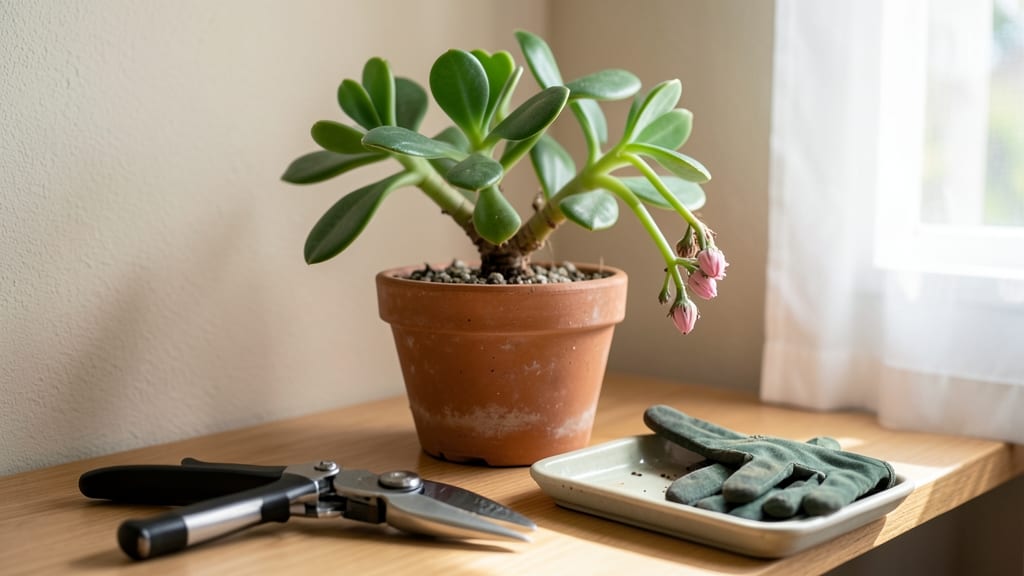
Pruning a kalanchoe plant isn’t just about trimming—it’s about unlocking longer blooms and thicker foliage. 🌸 I’ve found the right cuts turn my leggy plants into bushy, flowering powerhouses that last for months. The secret lies in timing and technique, not just snipping randomly.
Most people prune too late or too aggressively, which stresses the plant. Instead, focus on post-bloom trimming—after flowers fade—and use clean cuts just above leaf nodes. A pair of sharp scissors and a little patience are all you need to encourage new growth.
You’ll see fresh shoots within 2-3 weeks, and with proper light (bright, indirect sun) and minimal water, those stems will thicken. The result? A fuller plant that blooms again in 6-8 weeks, not just once a year.
This works for all kalanchoe varieties, from the classic blossfeldiana to trailing types. Let’s get those plants looking their best!
📚 In This Guide
- What you need
- Instructions
- Tips and common mistakes
- Wrapping up and next steps
What you need
- ● Clean, sharp pruning shears – A bypass pruner (1–2 pairs) with sterilized blades (rubbing alcohol or bleach wipe works). Avoid dull scissors—they crush stems!
- ● Rubbing alcohol (70% or higher) – A small bottle (4–8 oz) to sterilize tools between cuts and disinfect wounds.
- ○ Gloves (optional but recommended) – A pair of gardening gloves (nitrile or cotton) to protect hands from sap and thorns.
- ● Hydrogen peroxide (3%) or cinnamon powder – A small container (2–4 oz) to dust cuts and prevent rot or infection.
- ● Small pots or containers (if propagating) – 2–3 4-inch pots with drainage holes, filled with well-draining cactus/succulent mix.
- ● Spray bottle with water – A 16 oz bottle to mist cuttings or new plants lightly.
- ○ Rooting hormone – A small tube or gel to boost cutting propagation success (optional but handy for stubborn cuttings).
- ● Twine or plant ties – A roll of jute twine (for staking leggy stems if needed).
- ● LED grow light – A small clip-on bulb (for low-light areas if your Kalanchoe needs extra encouragement to rebloom).
- ● Pruning guide or ruler – A foldable measuring tape (6–12 inches) to ensure even cuts.
Step-by-Step instructions for pruning a Kalanchoe plant
Here’s how I keep my Kalanchoes blooming for months—no guesswork, just precise cuts and timing.
✂️ Step 1: Identify the Right Time to Prune
Prune your Kalanchoe right after flowering, when the blooms begin to fade but before the stems turn woody. This triggers a flush of new growth and prepares the plant for its next flowering cycle. I always wait until at least half the flowers have dropped—this ensures the plant has enough energy to recover.
If you prune too early, you risk stunting the plant’s energy reserves. If you wait too late, the stems harden, making cuts less effective. Watch for the first signs of new leaf buds forming along the stems—that’s your signal to act.
🌿 Step 2: Sterilize Tools and Examine the Plant
Use a pair of clean, sharp pruning shears or scissors—sterilize them with rubbing alcohol to prevent bacterial or fungal infections. Inspect the plant for any yellowing leaves, leggy stems, or dead flowers. Remove these first, as they drain energy from the plant and can harbor pests.
Focus on stems that have finished blooming. These are the ones you’ll prune to encourage bushier growth. Avoid cutting into healthy green stems unless they’re overly elongated—this can stress the plant unnecessarily.
✂️ Step 3: Make Clean Cuts at the Right Spots
Cut just above a leaf node or set of leaves, angling the cut slightly downward to prevent water from pooling. For leggy stems, prune back to a point where the stem is about ½ inch above a leaf node. This encourages branching and denser foliage, which in turn supports more blooms.
If the plant is overly tall, you can also cut the main stem back by ⅓ to ½ its height. This forces the plant to redirect its energy into lateral growth rather than vertical stretching. Avoid cutting into old, woody stems—they won’t regrow leaves effectively.
☀️ Step 4: Adjust Light and Care Post-Pruning
After pruning, move your Kalanchoe to a location with bright, indirect light for about 1-2 weeks. This helps the plant recover without the stress of full sun. Once new growth appears, gradually reintroduce it to direct sunlight for 4-6 hours daily—this is critical for triggering the next flowering cycle.
Reduce watering slightly after pruning, as the plant will be focusing its energy on regrowth rather than maintaining large leaves. Water only when the top inch of soil feels dry, and avoid getting water on the leaves to prevent rot.
⏰ Step 5: Encourage Blooming with Light Control
To maximize blooms, your Kalanchoe needs 12-14 hours of darkness daily for at least 6-8 weeks before flowering. Use a dark box or move the plant to a closet during the evening to simulate shorter days. This trick mimics the plant’s natural flowering cues.
Watch for new buds forming along the stems—this confirms the plant is responding to the light adjustment. Once buds appear, return the plant to normal light conditions and maintain consistent care. With the right pruning and light management, your Kalanchoe will reward you with vibrant blooms for months.
Tips & tricks for pruning a Kalanchoe plant
Here's what nobody tells you about keeping your Kalanchoe thriving after the pruning process—these details make all the difference between a plant that recovers and one that struggles.
Timing is Everything: The moment you prune is just as important as how you prune. I've found that waiting until at least half the flowers have dropped (as mentioned in Step 1) is crucial, but there's one more visual cue: look for the first tiny leaf buds forming along the stems. These indicate the plant has stored enough energy to handle pruning without shock. If you see these buds, it's your green light to proceed—don't wait another day.
Cutting Technique for Maximum Growth: When making those ½ inch above leaf node cuts in Step 3, here's a pro move: use a slight downward angle on your cut. This prevents water from pooling at the cut site, which can lead to rot. I also recommend using a sharp, clean blade—dull tools crush stems instead of making clean cuts, which stresses the plant. For stubborn stems, a quick wipe with rubbing alcohol between cuts keeps your tools sterile and prevents cross-contamination.
Light Management Secrets: The 1-2 weeks of bright, indirect light after pruning in Step 4 is your plant's recovery phase. Here's what I do differently: I place my Kalanchoe near an east-facing window during this period. East light is bright but not harsh, giving the plant enough energy without the stress of midday sun. After those two weeks, I gradually introduce morning sun first (1-2 hours), then slowly increase to the full 4-6 hours of direct sunlight by week three. This gradual transition mimics natural conditions and prevents sunburn.
Darkness Protocol for Blooming: The 12-14 hours of darkness daily for 6-8 weeks before flowering is non-negotiable, but here's how to execute it perfectly: Use a solid black box or even a dark closet with no light leaks. I place my Kalanchoe inside at 6 PM and remove it at 6 AM sharp—no exceptions. The consistency is what triggers flowering. Pro tip: Set a phone alarm for both times so you don't accidentally leave it in darkness too long, which can actually prevent blooming. Watch for the first signs of buds forming along the stems—this tells you the light treatment is working!
Pro Tips for Prune A Kalanchoe Plant
- Here's what nobody tells you about keeping your Kalanchoe thriving after the pruning process—these details make all the difference between a plant that recovers and one that struggles.
- Timing is Everything: The moment you prune is just as important as how you prune.
- Cutting Technique for Maximum Growth: When making those ½ inch above leaf node cuts in Step 3, here's a pro move: use a slight downward angle on your cut.
Frequently asked questions
Got questions about pruning your Kalanchoe? You’re not alone! Here are some of the most common concerns—plus straightforward answers to keep your plant thriving.
When is the best time to prune a Kalanchoe?
The ideal time to prune is after flowering (late winter or early spring) to encourage new growth. Avoid pruning during active blooming—this can stress the plant and reduce flower production. For non-flowering varieties, prune anytime you notice leggy stems or overgrowth.
How much can I cut back without harming the plant?
You can safely remove up to one-third of the plant’s height in a single pruning session. Focus on cutting back leggy stems to just above a leaf node (where leaves meet the stem). Avoid over-pruning—this can shock the plant and delay recovery.
What if my Kalanchoe doesn’t bloom after pruning?
Kalanchoes need 12–14 hours of darkness daily for 6–8 weeks before blooming. If your plant isn’t flowering, check its light exposure. Prune in early fall to give it time to adjust and trigger blooms the following season. Yellowing leaves or weak stems may also signal stress from poor light or overwatering.
Can I propagate the cuttings I remove?
Kalanchoe cuttings root easily in water or soil. Place 3–4-inch stem cuttings in a jar of water or moist potting mix, keeping them in bright, indirect light. Roots should appear in 2–4 weeks. Once rooted, transplant to soil and care for them like mature plants.
What do I do if my Kalanchoe looks sad after pruning?
If your plant appears wilted or droopy, it’s likely stressed from the trim. Reduce watering and place it in a shady spot for a few days to recover. Avoid fertilizing immediately—wait until new growth appears (usually in 2–4 weeks). Most plants bounce back within a week with proper care!
Wrapping up and next steps
Pruning your Kalanchoe plant is a simple yet rewarding task that keeps it thriving and blooming beautifully! 🌸 By following these steps—removing dead leaves, pinching back leggy growth, and encouraging bushier habits—you’ll ensure a healthier, more vibrant plant.
Now that you’re armed with the know-how, go ahead and give your Kalanchoe the care it deserves—your green thumb will shine!
Ready to take it further? Experiment with propagation using those pruned cuttings to grow even more Kalanchoes! 🌱 Check out our guide on propagating Kalanchoe next for step-by-step instructions.