
Pruning
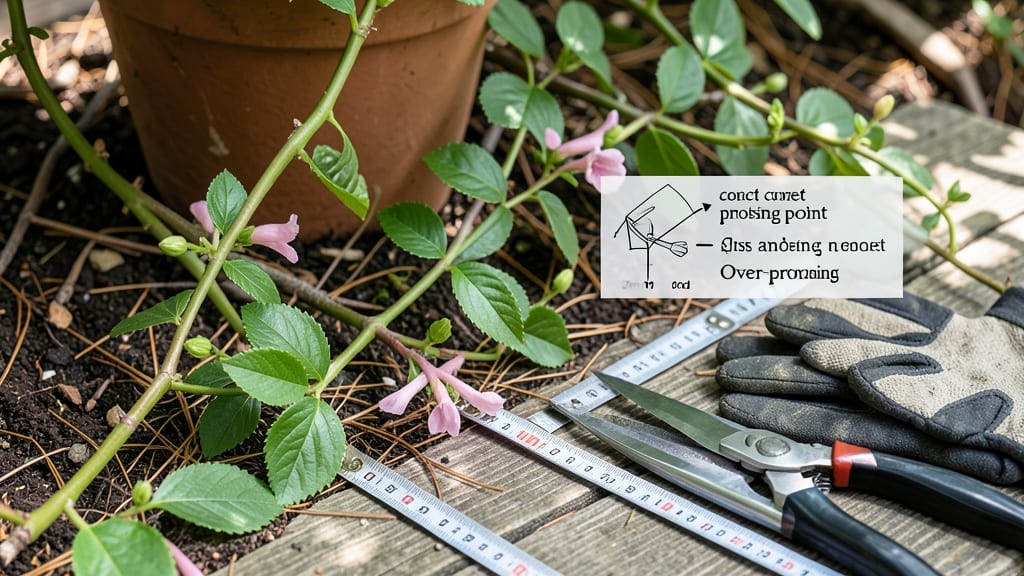
Pruning honeysuckle back to old wood in late winter reveals the plant’s hidden potential—thicker canes, more blooms, and a shape that looks like it belongs in a storybook. 🌿 I’ve learned the hard way that cutting too close to the ground or leaving dead wood invites disease, while pruning just right turns tangled vines into a lush, fragrant hedge.
The key is timing: dormant season (when the plant is asleep) is your window to reshape without stressing the roots.
You’ll need clean pruners, a ladder (for taller shrubs), and a sharp saw for thick stems—no dull tools here. Start by removing dead, diseased, or crossing branches first; those are the easy wins.
Then look for last year’s growth (the thicker, darker canes) and cut back one-third to one-half of the plant’s height. This isn’t about hacking it down—it’s about encouraging the plant to put energy into new, sturdy growth.
The payoff? By early summer, you’ll see fresh green shoots bursting from those pruned canes, and by mid-summer, those same spots will be heavy with fragrant blooms.
The plant breathes easier with better airflow, and pests have fewer places to hide. Plus, the stronger framework means fewer floppy stems flopping over fences or trellises.
Here’s the secret I wish I’d known sooner: mark your cuts with a small flag or twine if you’re unsure which branches to keep. And if you’re pruning a climbing honeysuckle, focus on the main stems—they’ll support new growth better than a tangle of thin shoots.
Now grab those pruners and let’s get to work!
📚 In This Guide
- What you need
- Instructions
- Tips and common mistakes
- Wrapping up and next steps
What you need
- ● Bypass pruners: Sharp, high-quality pruners (e.g., Felco or Fiskars) for clean cuts on smaller stems. Quantity: 1 pair.
- ● Loppers: For thicker canes (½”–1.5” diameter). Quantity: 1 pair (long-handled for reach).
- ○ Pruning saw: For stubborn, woody stems (1.5”+ diameter). Quantity: 1 (optional if loppers suffice).
- ● Disinfectant (70% rubbing alcohol or bleach solution): Clean tools between cuts to prevent disease spread.
- ● Gloves: Heavy-duty work gloves (e.g., Mechanix) to protect from thorns and sap.
- ○ Pruning sealant (optional but helpful): For large cuts to prevent sap bleeding (e.g., Tanglefoot Pruning Seal).
- ● Trash bags or bucket: For collecting pruned debris (5–10 gallons capacity).
- ● Ladder or step stool: If pruning tall/overhead honeysuckle (ensure stability!).
- ● Timing: Prune in late winter/early spring (before buds swell) or immediately after blooming (for summer-flowering varieties).
- ● Weather check: Choose a dry, calm day to avoid spreading disease with wet tools or debris.
- ● Safety gear: Safety glasses (to shield from flying debris) and long sleeves/pants.
- ● Map your honeysuckle: Sketch or mentally note which canes to keep (healthy, vigorous) and which to remove (dead, weak, or overcrowded).
- ● Rag or paper towels: For wiping tools between cuts.
- ● Hose with nozzle: To rinse tools and clean up sap.
- ● Marking twine or flags: To tag canes for future reference (e.g., “keep” vs. “remove”).
- ● Compost bin: For recycling pruned material (if disease-free).
Step-by-step instructions for pruning honeysuckle in dormant season
Here's the exact method I use to revive overgrown honeysuckle while boosting next year's blooms.
✂️ Step 1: Identify and Remove Dead or Diseased Canes
Start by examining each cane closely—look for brown, brittle stems that snap easily when bent. These are dead and should be cut out completely at the base. I always prune these first because they drain energy from healthy growth. Use clean, sharp pruners to avoid tearing the bark, which invites disease.
Next, scan for canes with blackened spots, oozing sap, or fungal growth. These diseased stems need immediate removal too. Bag them separately and dispose of them away from your garden. Healthy canes feel firm, bend slightly without breaking, and have smooth bark. This step prevents problems from spreading to your remaining plant.
✂️ Step 2: Thin Out Overcrowded Canes for Better Airflow
Honeysuckle thrives when it has room to breathe. Aim to leave 3-5 of the strongest, most vigorous canes per plant. I count them first—too many competing stems lead to weak blooms and leggy growth. Cut back any thin, spindly canes at the base, as they won't produce quality flowers.
Make your cuts just above a outward-facing bud or leaf node. This ensures new growth emerges in the right direction. You'll notice the remaining canes are thicker and more upright—this is your plant preparing for stronger spring growth. Never leave stubs; clean cuts heal faster and reduce disease risk.
✂️ Step 3: Rejuvenate Old Canes with Strategic Pruning
For established honeysuckle, I prune back 1/3 to 1/2 of the oldest canes to encourage fresh growth. Look for canes that are 3+ years old6-12 inches above the ground, leaving a few buds to sprout from.
This might seem drastic, but it works wonders. The plant redirects energy to younger canes, which bloom more prolifically. I always prune on a dry day when the plant is fully dormant—typically in late winter before buds swell. You'll see new shoots emerging within weeks of spring's arrival.
✂️ Step 4: Shape and Clean Up the Remaining Structure
Now it's time to tidy up. Step back and look at the plant's overall shape. Remove any crossing or rubbing branches that create wounds. Cut these at the point where they intersect with another stem. This prevents future damage and keeps the plant looking neat.
For a more compact plant, I lightly trim the tips of remaining canes to encourage bushier growth. Just a few inches off the ends is enough. Avoid heavy pruning here—you want to preserve the plant's energy for spring blooms. Finish by cleaning up all debris around the base to reduce pests and disease.
⏰ Step 5: Apply Post-Pruning Care for Recovery
After pruning, give your honeysuckle a balanced fertilizer to support new growth. I use a 10-10-10 formula in early spring, just as buds begin to swell. Water deeply but avoid soaking the soil—honeysuckle prefers well-drained conditions.
Monitor the plant over the next few weeks. You should see fresh green shoots emerging from the pruned canes within 3-4 weeks. If you notice yellowing leaves or slow growth, adjust your watering or add a bit more fertilizer. Proper aftercare ensures your plant bounces back stronger than ever.
Tips & tricks for pruning honeysuckle in dormant season
Here's what nobody tells you about pruning honeysuckle—the little details that make all the difference between a plant that just survives and one that thrives.
Timing is Everything: Prune only when the plant is fully dormant, typically in late winter before buds begin to swell. This is when honeysuckle is at its lowest energy state, making it much easier to handle and reducing stress. I've learned this the hard way—pruning too early or too late can actually stimulate unwanted growth or leave your plant vulnerable to cold damage. Look for a day when temperatures stay above freezing but haven't yet warmed consistently above 40°F.
The Technique That Changed Everything: When making your cuts in Step 3, aim for a clean, slanted cut just above an outward-facing bud. This angled cut prevents water from pooling on the wound, which drastically reduces the risk of disease. I use my pruners at about a 45-degree angle—this might seem fussy, but it makes a world of difference in how quickly your plant recovers. The bud you leave behind will determine where new growth emerges, so choose carefully.
Equipment Matters: Never use dull pruners—they crush stems instead of making clean cuts. I invest in sharp, bypass pruners that can cut through woody stems cleanly. For thicker canes, I use loppers with a 6-inch blade. After each cut, wipe your tools with rubbing alcohol to prevent spreading disease between cuts. This might seem like overkill, but it's the difference between a healthy plant and one that struggles to recover.
Post-Pruning Care: After you've finished pruning, don't just walk away! The 3-4 weeks of recovery care are just as important as the pruning itself. I always apply a 2-inch layer of mulch around the base to retain moisture and regulate soil temperature. This helps the plant focus its energy on new growth rather than establishing roots. Water deeply but infrequently—honeysuckle prefers well-drained soil, so avoid soggy conditions that can lead to root rot.
Pro Tips for How Far Back Can I Prune Honeysuckle
- Here's what nobody tells you about pruning honeysuckle—the little details that make all the difference between a plant that just survives and one that thrives.
- Timing is Everything: Prune only when the plant is fully dormant, typically in late winter before buds begin to swell.
- The Technique That Changed Everything: When making your cuts in Step 3, aim for a clean, slanted cut just above an outward-facing bud.
Frequently asked questions
about pruning honeysuckle—because even the pros need a little clarity! Here are answers to the most common queries to help you prune with confidence.Can I prune honeysuckle back to the ground?
While you can prune honeysuckle back to the ground, it’s not always ideal. For established shrubs, cut back 1/3 to 1/2 of the oldest canes to encourage new growth. Pruning to the ground risks weakening the plant or reducing next year’s blooms. If your honeysuckle is overgrown or diseased, gradual pruning over 2–3 years works best.
Is it better to prune honeysuckle in early spring or late winter?
Both are great, but late winter (just before buds swell) is ideal for dormant-season pruning. This timing lets you see the plant’s structure clearly and avoids disturbing early growth. Early spring pruning (right as buds break) is fine too, but avoid heavy cuts—focus on shaping and removing dead wood.
What if I prune too much by accident?
Don’t panic! Honeysuckle is resilient. If you’ve over-pruned, stop cutting and let the plant recover. Water deeply and fertilize lightly in spring to support regrowth. Next year, prune only lightly to avoid stressing the shrub further. Over time, it’ll bounce back with new canes.
Can I prune honeysuckle in summer instead of winter?
Summer pruning is possible, but it’s not recommended for dormant-season goals. Pruning in summer can stimulate too much new growth, which may not harden off before winter. If you must prune in summer, do so after flowering and limit cuts to 20% of the plant to avoid stress.
What if my honeysuckle doesn’t bloom after pruning?
Lack of blooms often means you pruned too aggressively or cut back all the old wood (where next year’s flowers form). Focus on keeping at least 3–4 mature canes unpruned. For future blooms, prune only the oldest canes (those 3+ years old) and avoid shearing. Patience helps—it may take a season to rebound!
Wrapping up and next steps
Pruning honeysuckle in late winter or early spring—when the plant is dormant—can work wonders for its health and blooms! You can safely trim back up to one-third of the previous year’s growth, focusing on older, woody canes to encourage fresh, vigorous shoots.
The key is to avoid over-pruning and always use clean, sharp tools to prevent damage.
Now that you’re ready to tackle your honeysuckle, grab your shears and get pruning! 🌿✂️ Keep an eye on new growth in spring—it’s a great sign your plant is thriving.
For extra guidance, watch a quick pruning tutorial or join a gardening forum to share your progress with fellow green thumbs.