
Pruning
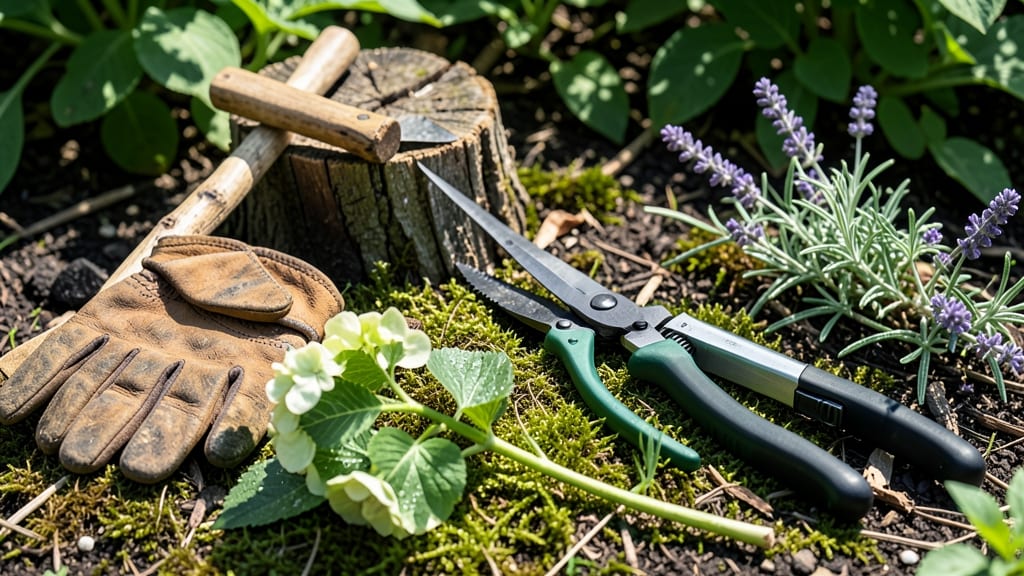
Choosing between garden snips and pruners can save you from blunted blades and botched cuts. ✂️ I’ve wrestled with both—snips for delicate stems and pruners for thick branches—and the right tool makes all the difference in keeping your plants healthy.
The wrong one? You’ll end up with ragged edges or tired hands mid-pruning session.
Garden snips are the lightweight champions for thin stems—think roses, herbs, or deadheading annuals. Their small, sharp blades cut cleanly with minimal force, and the ergonomic handles reduce hand fatigue. But push them past their limits, and you’ll snap the blades or struggle with thicker branches.
Pruners, on the other hand, are built for heavier-duty work—pruning shrubs, cutting back perennials, or tackling small tree limbs up to ½-inch thick. Their longer handles and stronger springs handle the resistance, but they’re overkill for delicate foliage.
Here’s the game-changer: snips for precision, pruners for power. Use snips to trim spent blooms or shape hedges without crushing stems, and pruners to remove stubborn growth or clear thickets. Both tools need regular maintenance—sharpening blades and oiling hinges—to stay sharp and smooth.
A well-maintained pair of each will last years, making them worth the investment for any gardener serious about clean cuts.
Still unsure? Try this test: if your task involves thin stems or frequent cuts, snips are your go-to. For thicker branches or heavy-duty pruning, pruners win. And pro tip—keep a pair of each in your tool belt. You’ll wonder how you ever pruned without them.
The first product explained
Meet the Fiskars X27 Ergo Garden Pruners—a powerhouse in precision pruning that’s earned its spot as a favorite among both hobbyists and seasoned gardeners. 🌿✨ Designed with ergonomic comfort and razor-sharp efficiency in mind, these pruners are built to tackle everything from delicate roses to thick branches with ease.
Whether you're sculpting your backyard oasis or maintaining a sprawling orchard, this tool delivers the perfect balance of control and durability.
Key Specs & Features
- Blade Material: High-carbon steel blades stay sharp longer and resist rust, ensuring clean cuts every time.
- Cutting Capacity: Handles branches up to 2.25 inches in diameter—ideal for medium-sized pruning tasks.
- Ergonomic Design: Soft-grip handles reduce hand fatigue, making long pruning sessions a breeze.
- Locking Mechanism: Safely locks blades open or closed for easy storage and transport.
- Weight: Lightweight at just 1.4 pounds, reducing strain on your wrists.
- Durability: Built to last with a lifetime warranty—because your garden deserves the best.
Who’s It For?
These pruners are a game-changer for:
- 🌸 Home gardeners who want a reliable, all-purpose tool for flowers, shrubs, and small trees.
- 🌳 Landscapers and DIYers needing precision cuts without sacrificing comfort.
- 🏡 Urban gardeners with limited space who still demand professional-grade performance.
Price Point & Value
Priced around $25–$35, the Fiskars X27 Ergo Garden Pruners offer exceptional value for their quality and versatility. While it’s an investment upfront, the durability and ease of use make it a cost-effective choice in the long run.
Plus, with a lifetime warranty, you’re covered for life—no surprises, just reliable performance.
Pro Tip: 💡 For best results, always sharpen the blades annually and store them in a dry place to prevent rust. Happy pruning!
The second product explained
If you're looking for a versatile, no-fuss tool that balances precision and ease of use, the Fiskars X7 Super Stainless Steel Bypass Pruners might just be your perfect match. 🌿✨ These pruners are a favorite among gardeners who demand durability without sacrificing comfort, making them a standout choice for both beginners and seasoned pros.
Key Specs & Features
Here’s what makes these pruners a powerhouse in your gardening arsenal:
- Material: High-carbon stainless steel blades for rust resistance and sharpness that lasts.
- Cutting Capacity: Handles branches up to 1.5 inches in diameter—ideal for light to medium pruning tasks.
- Design: Ergonomic soft-grip handles reduce hand fatigue during extended use.
- Mechanism: Bypass action for clean, precise cuts that won’t crush stems.
- Weight: Lightweight at just 16.1 oz, so you won’t feel like you’re swinging a sledgehammer.
Who Are They For?
These pruners are a jack-of-all-trades for gardeners who:
- Need a reliable everyday tool for trimming flowers, shrubs, or small trees.
- Want a low-maintenance option that won’t dull or corrode easily.
- Prefer comfortable handling to avoid hand strain during long gardening sessions.
- Are on a budget but refuse to compromise on quality—these pruners offer professional-grade performance at an accessible price.
Price Point & Value
Priced around $25–$35 (depending on retailer), the Fiskars X7 pruners deliver exceptional value. While they may not be the cheapest option on the market, their durability, sharpness, and comfort make them a smart long-term investment.
If you’re tired of replacing flimsy pruners every season, these are a game-changer.
Pro Tip: 💡 Always oil the pivot point occasionally to keep the blades moving smoothly—it’ll extend the life of your pruners even further!
Head-to-head comparison
Ready to dive into the nitty-gritty? Let’s compare garden snips and pruners head-to-head so you can pick the perfect tool for your green thumb! Whether you’re trimming roses, shaping hedges, or tackling overgrown shrubs, the right choice makes all the difference. Here’s how they stack up across key dimensions:
🔥 Performance: Precision vs. Power
When it comes to cutting performance, these tools serve distinct purposes—and knowing their strengths will save you time (and frustration) in the garden.
- Garden Snips:
- 🎯 Best for: Delicate, detailed work like deadheading flowers, trimming small branches, or harvesting herbs. Their sharp, angled blades make quick, clean cuts on thin stems (up to ¼-inch in diameter).
- ✂️ Cutting action: Scissor-like motion with a bypass design (blades slide past each other), minimizing crushing and preserving plant health.
- 🌿 Pro tip: Ideal for precision tasks where you need to avoid damaging leaves or stems. Think of them as the surgical tools of pruning!
- Pruners:
- 🌳 Best for: Medium to thick branches (up to ¾-inch or more, depending on the model). Their robust build handles thicker stems, twigs, and even small saplings with ease.
- ⚙️ Cutting action: Two main types:
- Bypass pruners: Similar to snips but with longer blades for leverage. Still gentle on plants but built for heavier-duty cuts.
- Anvil pruners: One sharp blade meets a flat surface—great for thick, woody stems but can crush softer branches (use sparingly on tender plants).
- 💪 Pro tip: For long-term use, bypass pruners are the gold standard—they last longer and keep cuts cleaner than anvil styles.
🛠️ Features: What’s Under the Hood?
Beyond the basics, features like ergonomics, blade material, and extra functions can make or break your pruning experience.
| Feature | Garden Snips | Pruners |
|---|---|---|
| Blade Material | High-carbon stainless steel (sharp, lightweight, and rust-resistant). | High-carbon steel (for durability) or stainless steel (for corrosion resistance). Some premium models use titanium-coated blades. |
| Handle Design | Compact, often with ergonomic loops for finger placement. Some have non-slip grips. | Longer handles for leverage; options include:
|
| Extra Features |
|
|
| Weight | Ultra-light (5–10 oz). Perfect for all-day gardening without wrist fatigue. | Moderate (10–20 oz). Heavier for powerful cuts but can tire hands over time. |
💰 Price: Budget-Friendly vs. Investment-Grade
Your wallet will thank you for knowing what to expect before you buy. Here’s the breakdown:
- Garden Snips:
- 💸 Entry-level: $5–$15 (basic stainless steel models).
- 💎 Mid-range: $15–$30 (ergonomic, high-carbon steel).
- ✨ Premium: $30–$50 (titanium-coated, ultra-sharp blades).
- 💡 Pro tip: If you’re mostly deadheading or trimming herbs, a $15 snip can last years with proper care!
- Pruners:
- 💸 Entry-level: $10–$25 (basic anvil or bypass pruners).
- 💎 Mid-range: $25–$50 (ergonomic, bypass designs with stainless steel).
- ✨ Premium: $50–$100+ (professional-grade, like Felco or Gonicc models).
- 💡 Pro tip: Invest in a high-quality bypass pruner—it’s worth the splurge for longevity and performance!
🏗️ Durability: Built to Last or Wear and Tear?
Nothing’s more frustrating than a tool that quits mid-project. Here’s how these two hold up over time:
- Garden Snips:
- ✅ Pros:
- Lightweight materials resist fatigue from repetitive use.
- Rust-resistant stainless steel lasts in damp conditions.
- Small size means less risk of damage when stored.
- ⚠️ Cons:
- Thin blades can dull faster on tough stems (e.g., small branches).
- Not designed for heavy-duty pruning—overuse can bend blades.
- 🔧 Maintenance: Regular sharpening and oiling joints will keep them snip-happy for years.
- ✅ Pros:
- Pruners:
- ✅ Pros:
- Sturdier build handles thicker, tougher branches without bending.
- ✅ Pros:
Which one should you choose?
So, which tool deserves a spot in your gardening toolkit? The answer depends on your pruning goals, frequency, and the plants you’re tending to. Let’s break it down to help you decide like a pro! 🌿✂️
🌱 For Light-Duty & Detail Work: Garden Snips Win!
If you’re tackling small branches, deadheading flowers, or shaping succulents, garden snips are your go-to. Their precision, lightweight design, and ergonomic grip make them ideal for:
- 🌸 Flower gardens (roses, hydrangeas, annuals)
- 🍃 Herb and veggie pruning (basil, mint, tomatoes)
- 🎨 Topiary and bonsai (where finesse matters)
- 👩🌾 Occasional gardeners who don’t need heavy-duty tools
Pro tip: 💡 If you’re a hobbyist or work with delicate plants, snips save your hands from fatigue and give cleaner cuts. Pair them with a sharpener to keep them in top form!
🌳 For Heavy-Duty & Large Branches: Pruners Are Unbeatable
Need to tackle thick branches, overgrown shrubs, or small tree limbs? Pruners (especially bypass or anvil types) are built for the job. They excel in:
- 🌲 Tree and shrub maintenance (oak, maple, or overgrown roses)
- 🏡 Landscaping projects (clearing deadwood, shaping hedges)
- 👷 Professional or frequent gardeners who prune often
- 🔧 Durability seekers (high-carbon steel holds up to abuse)
Pro tip: 🔥 For thick branches, opt for bypass pruners—they create cleaner wounds and reduce disease risk. If you’re cutting dry, dead wood, anvil pruners are faster and tougher.
🤝 The Ultimate Hack: Own Both!
Why choose when you can conquer? Many gardeners swear by having both tools for versatility. Think of it like this:
| Task | Tool of Choice |
|---|---|
| Trimming roses or deadheading | Garden snips |
| Pruning apple tree branches | Bypass pruners |
| Shaping boxwood hedges | Snips (for detail) + pruners (for bulk) |
Bonus: 🎯 If budget allows, invest in a compact pruner for portability—great for travel or small spaces!
Still unsure? Ask yourself:
- 🌿 What’s the thickest branch I’ll cut? (Under ½”? Snips. Thicker? Pruners.)
- 🕒 How often will I use it? (Daily pruning = pruners; occasional tasks = snips.)
- 💰 What’s my budget? (Snips are cheaper; pruners last years with care.)
Now grab your gloves, pick your tool, and get pruning like a pro! 🌟