
Pruning
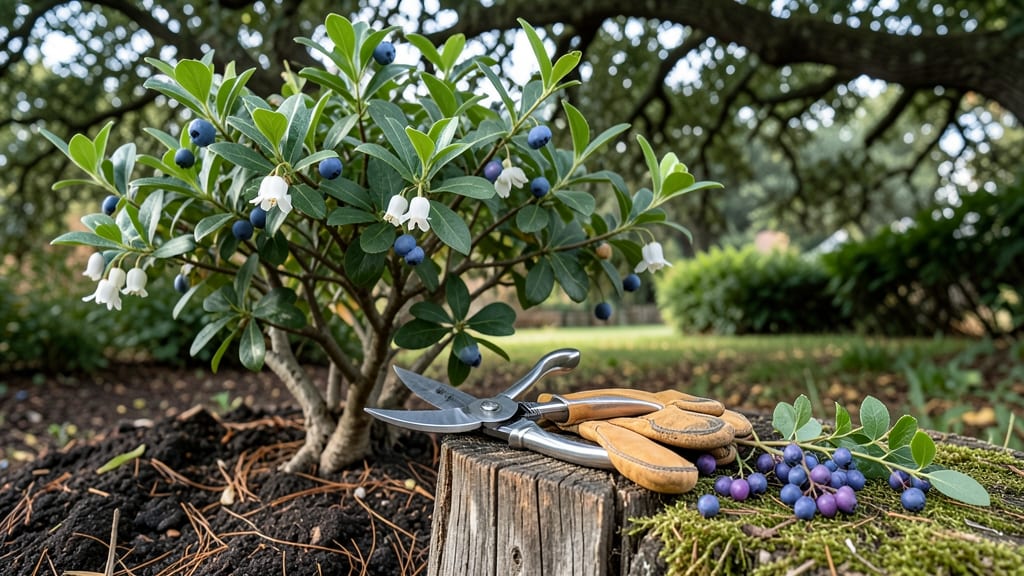
Pruning full-size blueberry bushes isn’t just about cutting back—it’s about unlocking their boldest fruit production. 🌿 I’ve watched my bushes go from scraggly to bursting with berries in just two seasons by mastering the timing and technique.
The key? Knowing when to prune (and when to leave them alone) to encourage strong canes and maximum blooms.
You’ll need sharp pruners, a pair of gloves, and a clear day—no need for fancy tools. The real work happens in late winter or early spring, right before buds swell, but mature bushes also need light summer pruning to keep them open and airy.
Young bushes? Just remove dead wood and thin crowded stems to give them room to grow.
By summer’s end, you’ll see the payoff: thicker canes, more flowers, and berries that nearly touch the ground. The bushes stay compact, produce heavier yields, and resist disease better. It’s not just about shaping—it’s about setting them up for years of effortless harvests.
This method works for both highbush and rabbiteye varieties, whether you’re in a cold climate or a warm one. The only mistake? Waiting too long—blueberries reward consistent care, not last-minute fixes. Let’s get those bushes thriving!
📚 In This Guide
- What you need
- Instructions
- Tips and common mistakes
- Wrapping up and next steps
What you need
- ● Pruning shears – Bypass pruners (sharp, 6-8" blades) for clean cuts on smaller branches.
- ● Loppers – Bypass or anvil type (18-24" handles) for thicker branches (½"–1½" diameter).
- ● Pruning saw – Curved-tooth saw for branches over 1½" in diameter (avoid tearing bark).
- ● Disinfectant – 70% isopropyl alcohol or bleach solution (1 part bleach to 9 parts water) to sterilize tools between cuts.
- ● Gloves – Heavy-duty, cut-resistant (thorns are sharp!).
- ● Garden twine or rubber bands – For temporary support if needed.
- ● Trash bags or bucket – To collect pruned branches (compost later if disease-free).
- ● Notebook & pencil – To sketch your bush’s shape and track progress.
- ● Hand pruners with a crimping tool – For sealing larger cuts (reduces disease risk).
- ● Pruning sealant – Tree wound paint (only for cuts >½" in diameter—use sparingly!).
- ● Ladder or step stool – For tall bushes (4–6 ft).
- ● Spray bottle with water – To mist tools and cuts for cleaner cuts.
- ● Blueberry pruning guide – A printed reference chart for variety-specific tips (e.g., rabbiteye vs. highbush).
Instructions for pruning blueberry bushes like a pro
Here’s the method I’ve used for years to keep my blueberry bushes thriving—producing more berries and blooms every season.
✂️ Step 1: Prune Out Dead or Diseased Wood First
Start by removing any branches that are dead, broken, or showing signs of disease. These are easy to spot—they’re brown, brittle, or oozing sap. Use clean, sharp pruners to cut back to healthy wood, making your cuts at a 45-degree angle about ¼ inch above a bud or branch union. This prevents water from pooling on the wound.
I always tackle this step first because it clears out the worst problems before I do any shaping. If you skip this, you risk spreading disease to the rest of the bush. Work from the inside out to avoid knocking healthy branches with your tools.
✂️ Step 2: Thin Out Overcrowded Branches
Next, focus on thinning out branches that are crossing, rubbing against each other, or growing inward. These create weak spots where disease can enter and block airflow, which is critical for blueberries. Aim to leave 6-8 main branches on mature bushes, spaced evenly around the plant. Remove any branches that are too close together—this opens up the center for better light and air circulation.
Here’s the thing—blueberries produce their best fruit on 1- to 2-year-old wood, so don’t over-prune. You’re not trying to turn this into a bonsai; you’re just creating space for new growth. If you’re unsure which branches to keep, look for the ones with the most thick, healthy buds—those are your future fruit producers.
✂️ Step 3: Shape the Bush for Optimal Growth
Now it’s time to shape the bush into an open, vase-like form. Start by cutting back the oldest, thickest branches by about ⅓ of their length to encourage new growth. Focus on the lower branches first—they’ll produce the most fruit. For the upper branches, make lighter cuts to maintain balance. You want the bush to look like an inverted cone, with branches spreading outward.
This step is where you’ll see the biggest difference in fruit production. If you’ve ever had a blueberry bush with sparse berries, it’s likely because the center was too dense. Pruning this way ensures sunlight reaches all parts of the bush, which means more blooms and more berries. Don’t rush—take your time to visualize how each cut will affect the overall shape.
✂️ Step 4: Light Prune for Blooms and Maintenance
After the heavy pruning, do a lighter pass to remove any weak, thin, or overly long branches. These won’t produce much fruit and can shade out the more productive parts of the bush. Cut back any branches that are growing straight up—these are called "watersprouts" and are energy vampires. They’ll steal resources from the rest of the plant.
This is also the time to trim back any suckers—those are the shoots growing from the base of the bush. They’re a sign the bush is trying to spread, but they’re not productive. Cut them off at the ground level. Finish by giving the bush a final once-over to make sure all your cuts are clean and nothing looks out of place.
⏰ Step 5: Clean Up and Monitor
Once you’re done pruning, clean up all the debris from the area around the bush. This prevents disease from overwintering and keeps pests away. Sterilize your pruners with rubbing alcohol or a 10% bleach solution to kill any lingering pathogens. After pruning, give the bush a deep watering to help it recover—especially if you’ve done a lot of cutting.
Watch the bush closely in the weeks after pruning. You’ll see new growth starting from the buds you left behind. If you notice any unusual wilting, yellowing, or signs of stress, it might mean you pruned too aggressively. Blueberries are tough, but they’re not indestructible. A little patience goes a long way—your bush will thank you with a bounty of berries next season.
Tips & tricks for pruning blueberry bushes
These pro-level tricks will transform your pruning game and ensure your blueberry bushes thrive year after year.
Tool Prep: Sharpen your pruners before you start—dull blades crush stems instead of cutting cleanly, which can damage the plant. I like to test my blades on a piece of paper first; if they don't cut smoothly, hone them with a sharpening stone. Clean pruners between cuts on diseased wood to prevent cross-contamination, and always sterilize them with rubbing alcohol after finishing. This simple step can save your entire bush from infection.
Seasonal Timing: Late winter or early spring is ideal for pruning because the bush is still dormant but about to burst with new growth. If you're in a warmer climate, you can prune lightly in summer to remove watersprouts, but avoid heavy pruning then—it stresses the plant when it's already working hard to produce fruit. I mark my calendar for February in cold climates and October in warmer zones to stay on schedule.
Visual Cues for Healthy Branches: When deciding which branches to keep, look for these visual clues: healthy branches have smooth, gray bark with no cracks, and their buds should be plump and firm. If you see buds that are shriveled or blackened, that branch is done. Also, check for leaf scars—healthy branches have small, crescent-shaped scars where last year's leaves attached. These scars indicate the branch is still productive.
Post-Pruning Care: After you've finished pruning, don't just walk away! Rake up all the debris from around the base of the bush—this prevents fungal spores from overwintering. I also like to add a 1-inch layer of mulch around the base (but not touching the trunk) to retain moisture and suppress weeds. This is especially important if you've done heavy pruning, as the bush will need extra care to recover.
Pro Tips for Full Size Pruning Blueberry Bushes
- These pro-level tricks will transform your pruning game and ensure your blueberry bushes thrive year after year.
- Tool Prep: Sharpen your pruners before you start—dull blades crush stems instead of cutting cleanly, which can damage the plant.
- Seasonal Timing: Late winter or early spring is ideal for pruning because the bush is still dormant but about to burst with new growth.
Frequently asked questions
Got questions about pruning full-size blueberry bushes? You’re not alone! Here are answers to the most common concerns—so you can prune like a pro and keep those bushes thriving.
When is the best time to prune blueberry bushes?
The ideal time is late winter or early spring (just before buds swell), but you can also prune lightly in summer after harvest. Avoid pruning in fall—it can stimulate new growth that won’t harden off before winter. For northern climates, wait until after frost danger passes!
How much can I cut back a mature blueberry bush?
For established bushes, remove 1/3 to 1/2 of the oldest, woodiest canes at the base. These are the largest, thickest stems (usually 5+ years old). Never cut back more than 30% in one year—this stresses the plant. Think of it like a haircut: gradual trims keep it healthy!
What if I accidentally prune too much?
Don’t panic! If you’ve over-pruned, the bush may look sad but can bounce back. Focus on watering deeply and fertilizing with acid-loving plant food (like cottonseed meal). In a year or two, new canes will emerge. Pro tip: Label bushes before pruning to avoid mistakes next time!
Do I need to prune blueberry bushes every year?
Yes! Annual pruning keeps bushes productive and prevents disease. Young bushes (1–3 years) need minimal pruning (just remove dead or crossing branches), while mature bushes (4+ years) require regular thinning. Think of it as maintenance—like trimming your lawn—to keep yields bold and bountiful!
Can I prune blueberry bushes in summer?
You can, but lightly! Summer pruning is best for removing only dead, diseased, or crowded branches. Avoid heavy cuts—this can stress the plant during fruiting. If you must prune heavily, do it after harvest (late summer) to allow time for recovery before winter.
Wrapping up and next steps
Pruning your full-size blueberry bushes doesn’t have to be intimidating—it’s all about timing, technique, and a little patience. 🌿 By following seasonal cues and keeping your tools sharp, you’ll encourage lush growth, vibrant blooms, and bountiful harvests for years to come.
Remember, every snip is a step toward a healthier, more productive bush!
Ready to put your new skills to work? Grab those pruners and start shaping your bushes today! Whether you’re a seasoned gardener or a curious beginner, every cut brings you closer to that perfectly pruned paradise—so roll up your sleeves and enjoy the process! 🌟